


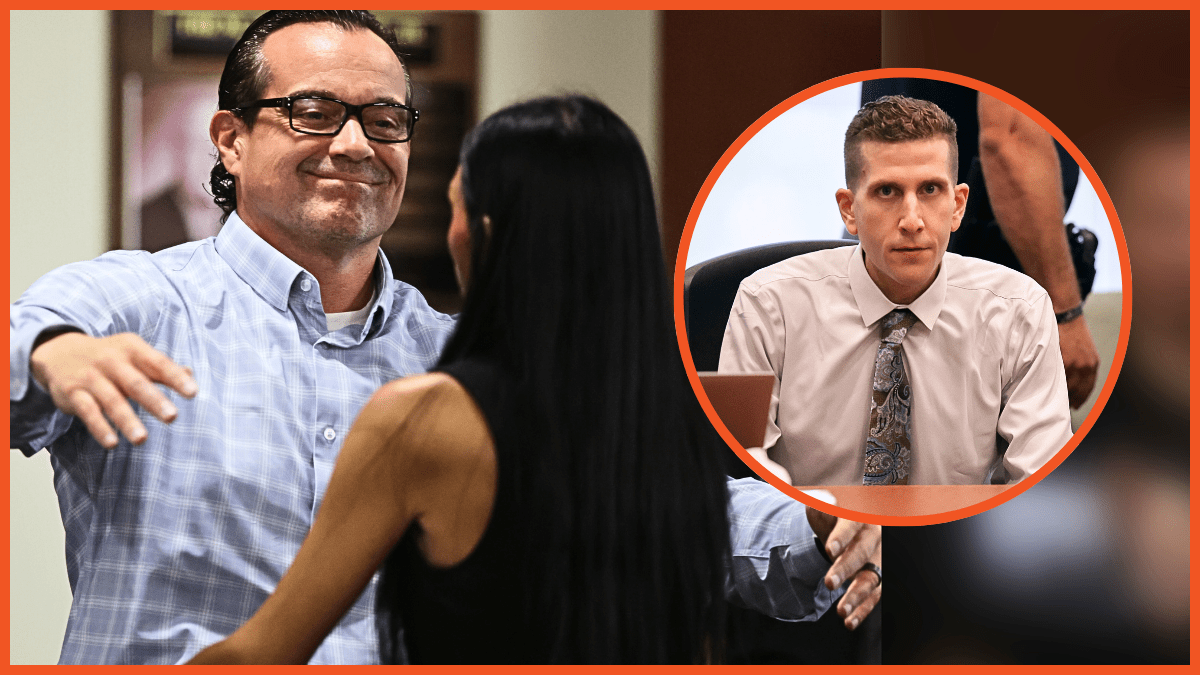

Bryan Kohberger pleaded guilty to the brutal killings of four University of Idaho students on July 2, 2025, avoiding the death penalty under a plea agreement that sparked widespread criticism. The 30-year-old defendant was sentenced to four consecutive terms of life in prison without the possibility of parole for the 2022 stabbing murders.
The plea deal represented a stunning development that diverged from public expectations and typical homicide agreements. Rather than requiring a detailed confession, explanation of motive, or comprehensive account of the crimes, Kohberger acknowledged the facts and waived his rights—leaving fundamental questions unanswered.
Legal experts defended the plea deal decision on practical grounds. Lead prosecutors argued that compelling a narrative might have jeopardized the plea’s foundation and granted the defendant additional notoriety.
Criminologists confirmed it’s standard practice for prosecutors to notify victims’ families about plea agreements without requiring their consent, though the absence of motive left many feeling justice was incomplete.
Comparison to the BTK case
The handling of Kohberger’s plea stands in stark contrast to Dennis Rader‘s 2005 guilty plea in the BTK killings. Although Rader had no plea bargain and the death penalty was unavailable under Kansas law, he provided a graphic, methodical account of each murder in court and admitted to his sexual fantasy motive. While some victims’ families found relief in hearing the full confession, others were deeply disturbed by Rader’s clinical recounting of his crimes.
The Goncalves family: anger and opposition
Kohberger’s four victims were University of Idaho students: Kaylee Goncalves, 21; Madison Mogen, 21; Xana Kernodle, 20; and Kernodle’s boyfriend, Ethan Chapin, 20. Three victims—Goncalves, Mogen, and Kernodle—were from Idaho, while Chapin was from Washington State.
The plea agreement exposed deep divisions among the victims’ families, revealing vastly different perspectives on justice and closure.
The Goncalves family reacted with fury and disbelief, describing themselves as “furious” at prosecutors and sent “scrambling” by the sudden plea deal. Kaylee’s father, Steve Goncalves, criticized prosecutors for rushing the agreement without adequately consulting victims’ families. “I can’t pretend like I feel like this is justice,” he said, demanding that justice should begin with meaningful conversations with families, conversations he insisted never occurred.
Other families: measured acceptance
The remaining families offered more measured responses. The Mogen family, through their attorney, said they “support the plea agreement 100 percent.” Chapin’s family called the case outcome the “right one” and expressed their desire to move forward “peacefully.” The Kernodle family initially opposed the plea deal but later acknowledged it provided “legal closure.”
Broader implications for Idaho’s justice system
From a broader Idaho perspective, the decision remains highly controversial. Critics argue that removing the death penalty option and rushing the plea deal undermined public confidence in the state’s justice system, creating a lingering sense that the resolution prioritized efficiency over accountability.
Moreover, Kohberger’s plea deal may influence how similar cases are handled in Idaho’s future, though the ultimate impact will depend on prosecutors, judges, and public reaction. The agreement sets a precedent emphasizing speed and certainty of conviction over narrative explanation or emotional closure.
Future prosecutors might be more inclined to negotiate similar deals in complex murder cases to guarantee life sentences while minimizing trial costs and associated risks. However, the significant backlash from victims’ families and the public could temper this approach. Critics argue that leaving motive and full accountability unexplored fundamentally undermines justice, potentially creating pressure for future cases to balance legal efficiency with transparency and family consultation.





Published: Aug 13, 2025 01:29 pm