


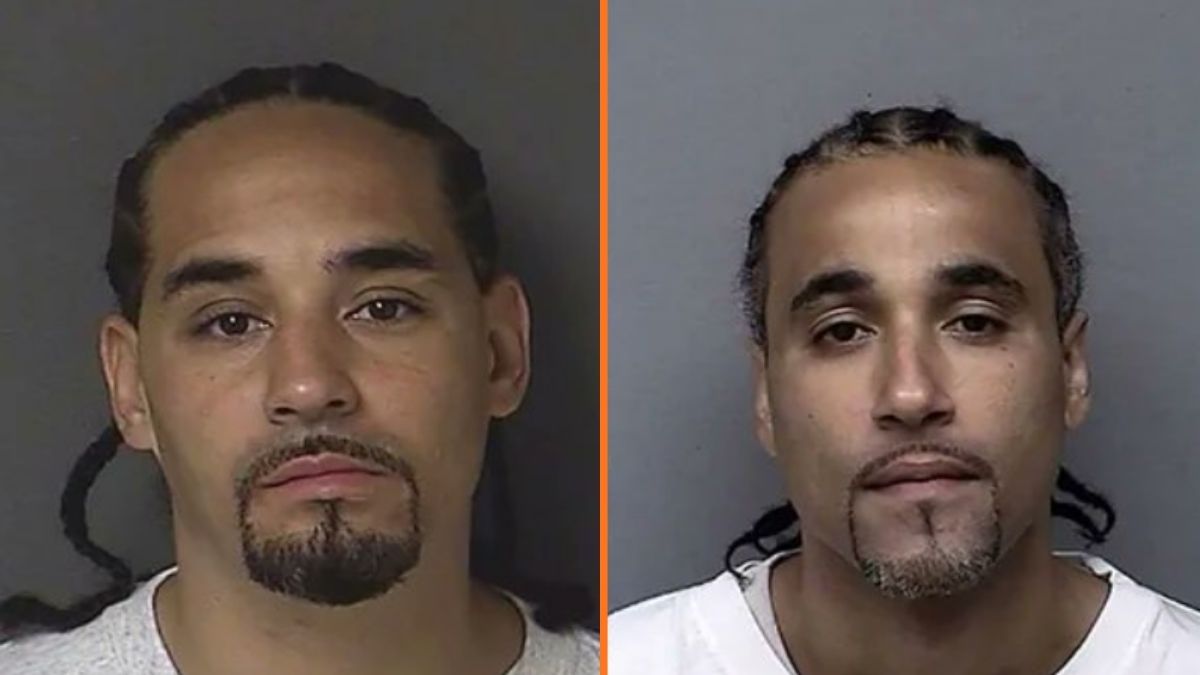

Richard Anthony Jones spent almost 20 years in prison for a crime he said he never did. Back in 1999, someone robbed a woman outside a Walmart in Roeland Park, Kansas. The robber took her phone, and she got hurt when she fell down and scraped her knees. Because she got hurt, the case became a serious robbery charge. Jones got blamed for it and was sent to prison for 19 years, even though he said he was somewhere else when it happened.
When the robbery took place, Jones was at a party for his girlfriend’s birthday. According to CNN, several people at the party saw him there. The next day, he stayed home with his girlfriend to watch movies and clean up after the party. But the people who saw the robbery pointed at Jones and said he did it. The jury believed them, and Jones went to prison. Having a criminal record from before probably made things worse for him.
Years later, the Midwest Innocence Project and the University of Kansas re-examined Jones’s case and uncovered something shocking. They found another man, Ricky Lee Amos, who looked almost identical to Jones and had lived at the address linked to the robbery. When witnesses were shown photos of both men, they couldn’t tell them apart anymore. With this new evidence, a judge ordered Jones’s release on June 8, 2017.
This whole thing shows how eyewitness testimony can go really wrong
What happened to Jones shows a big problem with how people remember faces. Jones and Amos looked so much alike that even the woman who got robbed couldn’t say for sure which one did it when she saw their pictures together.
The witnesses back in 1999 had told police they saw a light-skinned Black or Hispanic man named Rick who had long hair tied back. Both Jones and Amos matched that description exactly. This isn’t the only case where faulty eyewitness testimony has led to wrongful imprisonment. Kansas officials said Jones would get $1.1 million because of a new law about people who get convicted by mistake.
“We are committed to faithfully administering the new mistaken-conviction statute the legislature enacted,” Kansas Attorney General Derek Schmidt said in a statement. “In this case, it was possible on the existing record to resolve all issues quickly, satisfy all of the statute’s requirements, and agree to this outcome so Mr. Jones can receive the benefits to which he is entitled by law because he was mistakenly convicted.”
The money wasn’t all Jones got. He also received a paper saying he was innocent and got his arrest records wiped clean. The court said any DNA samples from his case had to be destroyed. He also got help with counseling and health insurance for 2019 and 2020.
Alice Craig was the main lawyer from the Innocence Project who helped Jones get free. She said Jones wasn’t mad at Amos.
“I don’t think so, because it’s not Ricky’s fault that this happened, but ultimately he was the one we believe who was responsible for the crime,” Craig said. “Ricky has never admitted to the crime and I think (Jones) … was somewhat disappointed that he didn’t admit to (it).”What happened to Jones shows how badly things can go when someone gets blamed for something they didn’t do. He lost 17 years of his life in prison because he looked like the person who actually committed the crime.


Published: Dec 23, 2025 11:47 am