


Jinkies! The animated Scooby-Doo series Velma has been renewed at Max despite having been one of the most hated animated shows on their platform. Though containing the usual Scooby-Doo characters (for the most part), the series was a massive departure from the Mystery Inc. many know and love, and this did not go down well at all. Regardless of what fans thought, the series has been given a second season.
The series flipped many of the classic show’s tropes on its head, gearing the childhood characters toward a more adult audience instead. Velma starred the voice of Mindy Kaling, creator, and star of The Mindy Project, as the lead character Velma, changing her ethnicity to South Asian–American. This wasn’t the only change made with Constance Wu playing Daphne, portrayed as East Asian-American, and Sam Richardson as Norville Rogers, aka Shaggy, becoming African-American.
It wasn’t just the character’s ethnicity that was changed, this wouldn’t have changed too much beyond their designs, but characters were left completely unrecognizable outside of their attire. Fred (who remained white) became a dimwitted jock rather than the team’s fearless leader; Daphne is a drug dealer, Shaggy isn’t his usual cowardly self, and let’s not forget the elephant in the room — there is no Scooby-Doo!
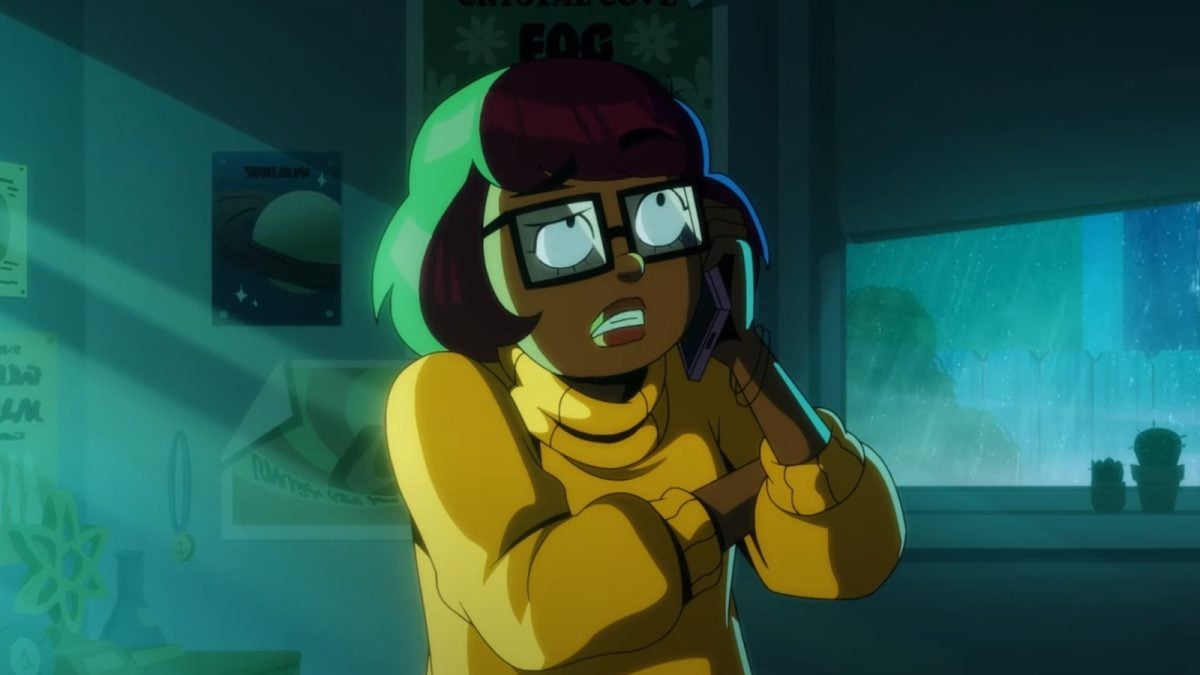
Now look, we get that people throw a fit online whenever something changes in media from our childhood. Heck, one of the trailers for the show’s first season made that exact point, whereby people want what they had in their childhood like some security blanket. There are plenty of other Mystery Inc. shows they could watch if that were the case; they don’t have to watch this one. But it wasn’t just general audiences who weren’t thrilled by the show.
Critics also panned the show, with Velma only getting a measly 40 percent score on the Tomatometer on Rotten Tomatoes. Many felt that the show was trying to be provocative just for provocative sake and that many of the jokes did not land. Audiences were much harsher in their scoring, with the show only receiving a seven percent Audience Score. Despite all this, the series has been greenlit for a second season.
Ironically, one of the reasons is that the show got a lot of viewers through sheer hate-watching. They say all press is good press, even if it’s bad press, and this may have been the case over at Max, as Velma was the most successful animated debut ever for the streaming service. The announcement came from Suzanna Makkos, EVP, Original Comedy and Adult Animation, Max and Adult Swim, during a panel at Annecy International Animated Film Festival last Thursday, as reported by Variety.





Published: Jun 15, 2023 09:45 pm