


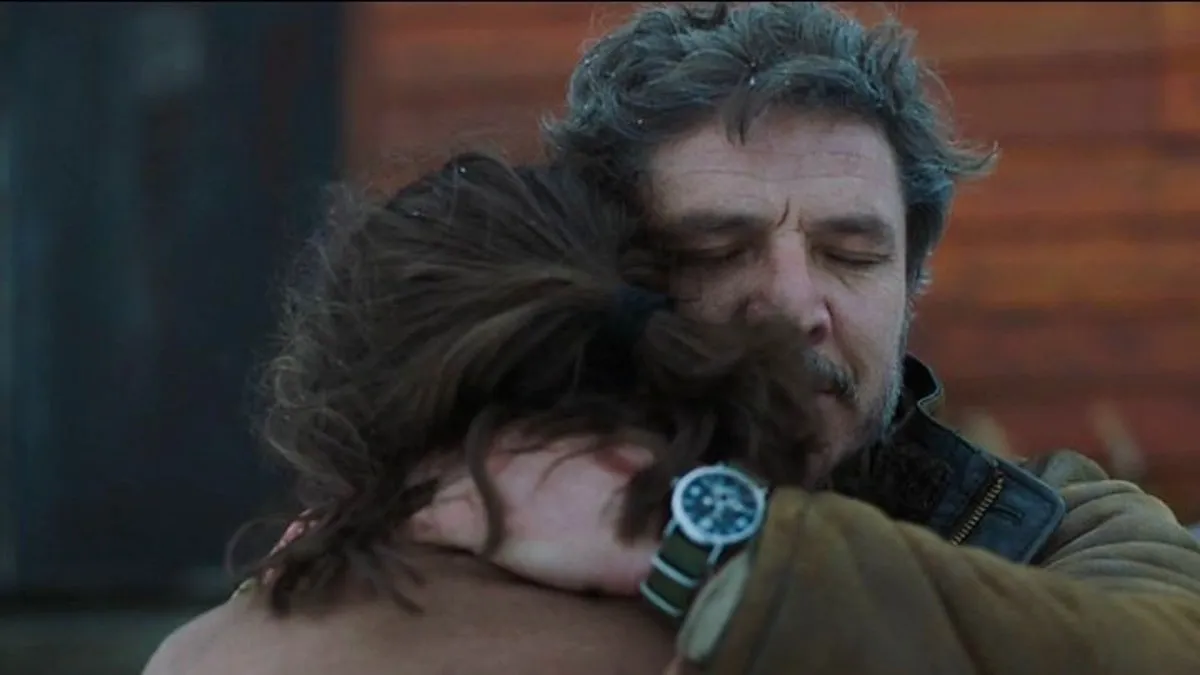

Warning: Spoilers for The Last of Us to follow.
There’s a lot to love about The Last of Us, from its masterful storytelling to its illustration of television being a superior storytelling medium compared to a game, and the way it manages to to make our hearts swell with a million emotions before mercilessly sticking the proverbial knife in. Indeed, there’s no denying that The Last of Us is an expert at delivering the goods.
And at the tip of the spear is the world’s new favorite human being Pedro Pascal, whose ability to mask his real-life, unprecedented cinnamon roll energy when it comes to bringing Joel Miller to life is a testament to his talent as an artist.
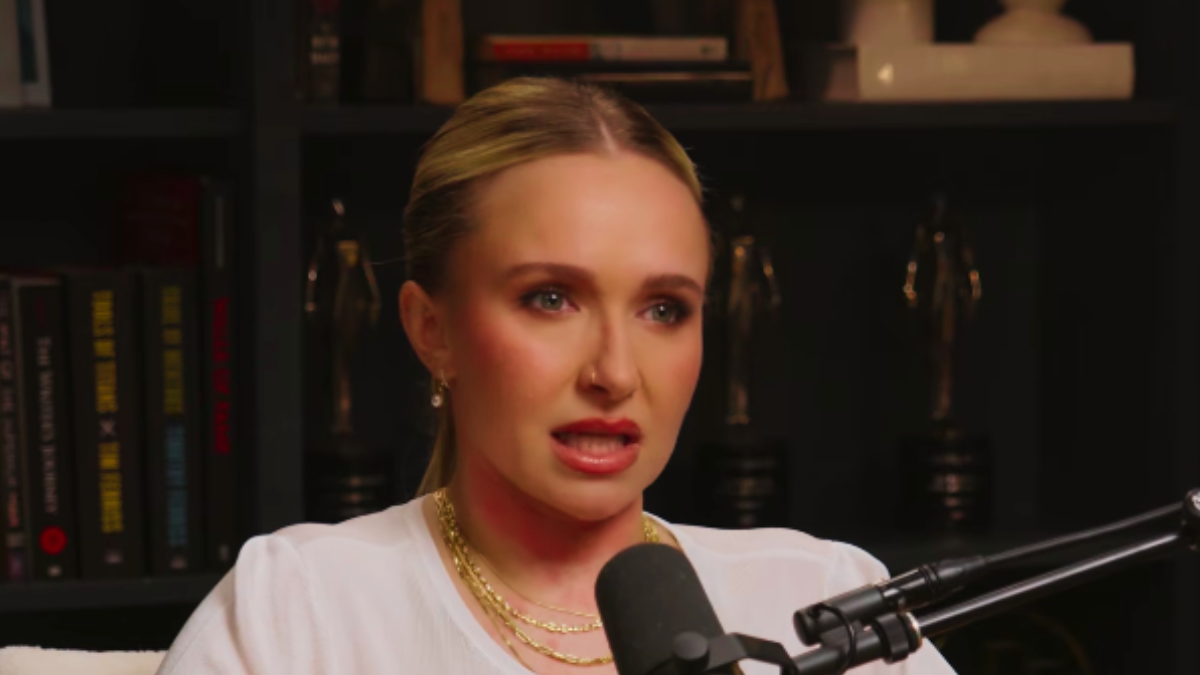
Pascal may have had Troy Baker’s version of Joel from the original game as study material, but, as anyone who’s also watched the show will point out, the actor has brought an unbelievably refreshing spin to the role, and he was happy to delve into the nuances of such a character during his recent appearance on Hot Ones.
When asked about the balance between Joel’s softer humanity with his more stoic, survivalist traits, Pascal pointed to the arc that Joel experiences over the course of the show, noting how he initially regards emotions as a hinderance to survival, when it’s those very subsequent human connections that wind up saving his life, as Ellie did in the penultimate episode.
“There’s a funny thing about a very restricted exterior that is typical for these kinds of male archetypes, I think; don’t show your feelings, people will see that you’re weak, survival is key, don’t let anybody in. Developing human connection is not, at least in his [Joel’s] mind, key to survival, only to discover that he cannot live without it at any cost.”
Indeed, it may market itself as a zombie story, but The Last of Us is ultimately a human story, and whether that’s most apparent through the lens of Joel or by simple observation of the world that these characters inhabit, there’s no denying its place as one of the most important cultural impacts to ever come out of modern media.
The Last of Us is available to stream on HBO Max, with new episodes releasing every Sunday until the show’s conclusion on March 12. A second season has been announced.







Published: Mar 9, 2023 01:00 pm