


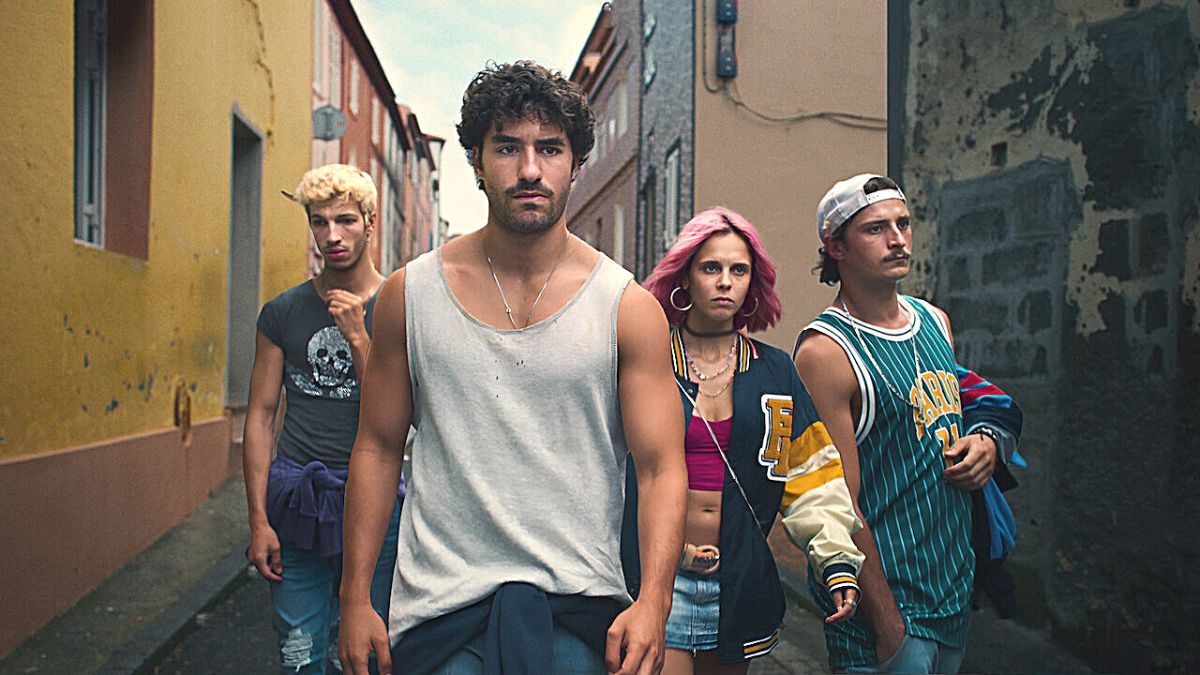

The plot of Netflix’s drug-fueled Turn of The Tide might feel unbelievable to those watching the show, but it actually did take place in the São Miguel island of the Azores in Portugal 22 years ago. The main characters are fictional, but a lot of the details in their story borrow from the real-life events of that fateful day of 6, June 2001.
Antonino Quinci, a Sicilian drug dealer who was headed for the Balearic Islands off the eastern coast of Spain, was forced to dock his drug-filled yacht at the port in the small village of Rabo de Peixe (whose name serves as the Portuguese title for the Netflix show) due to a damaged rudder. He was traveling from Venezuela. The Azores archipelago is a popular destination for drug traffic given its location between North and South America and the Western coast of Europe. 40 percent of all drug busts in Portugal are made in the islands, Portuguese channel SIC reports.
Obviously, Quinci had to discard the drug first, so he sunk over half a metric tonne of 80 percent pure cocaine near a cave, with a net, chains, and an anchor. It didn’t take long for the tide to spoil his plans, and the cargo eventually surfaced. The first sighting of the brick-like packages was made by a fisherman, who alerted the authorities. According to The Guardian, “local officers had registered some 270 packages of uncut cocaine, weighing 290kg.” More stacks of the white powder followed in the subsequent weeks, but not everyone was as law-abiding as that first bystander.
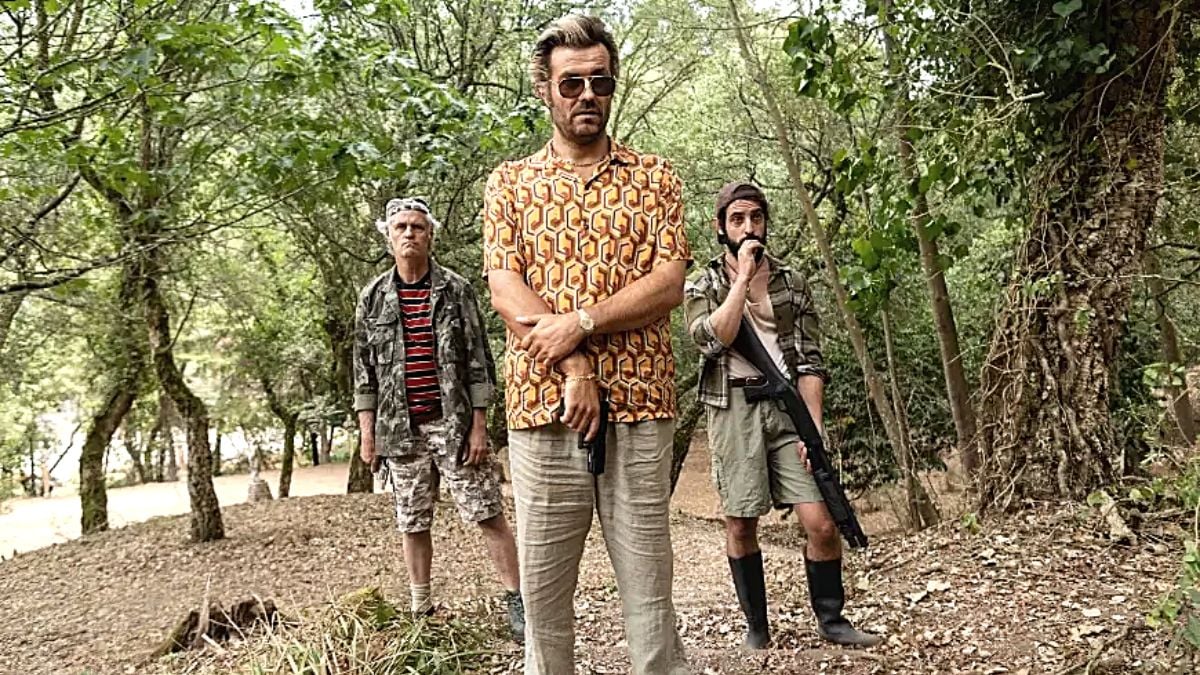
Decades later, the event became the stuff of legend. Drug traffic and consumption increased in São Miguel, especially in Rabo de Peixe. Cocaine was being sold in socks, beer cups, and plastic bags, for as little as €20 (around $22). As locals described to SIC, those who had been born with nothing became, for lack of a better word, minted. Even a now-former police officer helped out.
“Nowadays, they’re sleeping on money. They kept [the cocaine] and sold it. Some who had never had much, are now wearing a suit and tie,” one man told the outlet. He also shared his personal experience with the drug, saying that before he and his friends knew what it was, they had used it to mark the limits of a soccer field. There are also tales about people mistaking it for flour or sugar, which are represented in the show, as a woman coats fish with it for her lunch and men use it for their coffee.
Quinci was arrested eventually, but after a week and a half in prison, he jumped the barbed-wire fence, arms wrapped in bed sheets, and was on the loose for a fortnight. He was found hiding out in the shed of a local drug dealer’s home, Rui Couto, who maintains, to this day, that he the man who the community nicknamed “the Italian” were never in cahoots. Still, his admiration for Quinci is represented by a wooden boat that hangs off his kitchen wall. “He was a good guy, and I miss him,” he told The Guardian.
Quinci reportedly arrived at this man’s house on the day of his son’s baptism. Couto told The Guardian that he was never paid anything for offering shelter, and did so out of kindness. The police say finding Quinci was “the biggest stroke of luck” — they had gone into Couto’s house to search for drugs, and found the Italian drug dealer instead.
The Italian was sentenced to 11 years in prison for drug trafficking and forging documents. Reports vary on how many people died of cocaine-induced overdoses in the months following the astonishing affair — one, two, or three. According to The Guardian, those who had consumed the drug moved on to cheaper heroin afterward, and are still using it today. Now the story served as the inspiration behind Portugal’s most popular television series ever, making it to Netflix’s Top 10 in 35 countries.






Published: Jun 5, 2023 08:03 am