


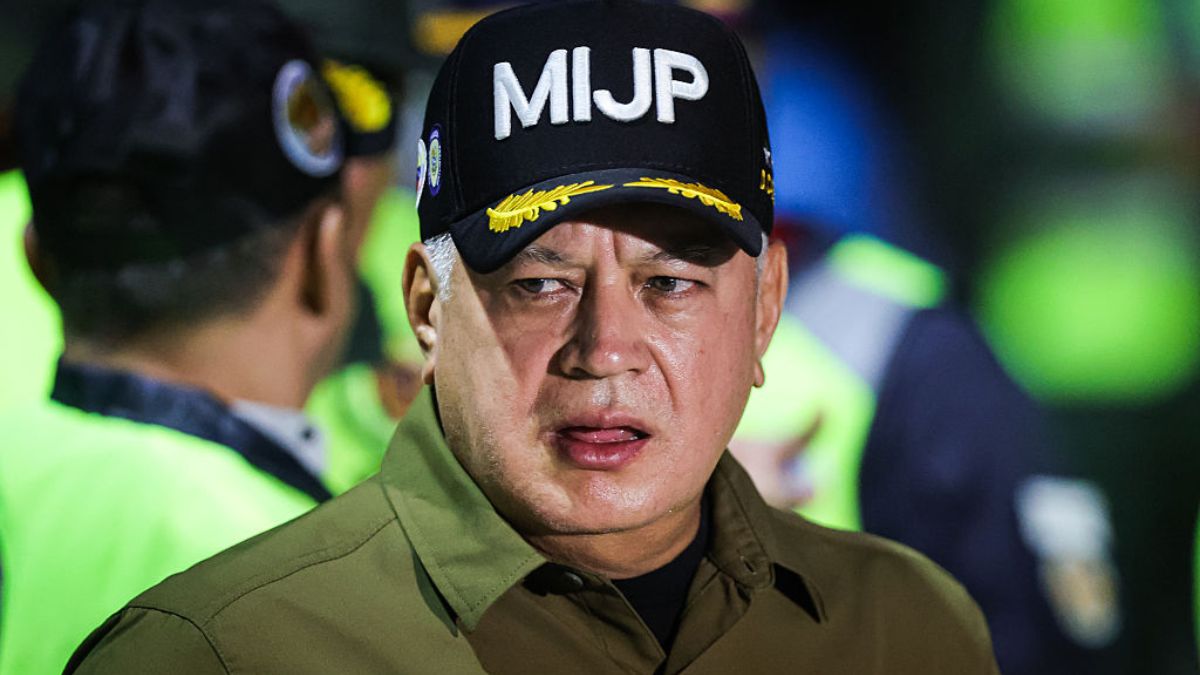

Venezuela’s Interior Minister Diosdado Cabello has strongly condemned a recent U.S. military strike in the Caribbean that killed 11 people, calling it “a murder” and questioning how American forces could have identified alleged gang members in the dark at sea. The incident has sparked international debate over the legality of the attack and raised questions about the Trump administration’s increasingly aggressive approach to combating drug cartels.
The strike occurred on September 1, 2025, when U.S. forces destroyed a speedboat in international waters in the southern Caribbean. President Donald Trump announced the operation the following day, claiming the vessel was operated by members of the Venezuelan gang Tren de Aragua and was carrying drugs bound for the United States. The administration has designated Tren de Aragua as a foreign terrorist organization.
According to Newsweek, during a televised address on Thursday, Cabello challenged the U.S. version of events and questioned the identification process. “And how did they identify them as members of the Tren de Aragua? Did they have, I don’t know, a chip? Did they have a QR code and the U.S. military read it from above in the dark?” Cabello said. He accused the U.S. of acting without evidence or due process, emphasizing that local investigations found none of the 11 killed were members of the gang or drug traffickers.
U.S. officials defend controversial military action
The Trump administration has defended the strike as necessary to combat drug trafficking and protect American interests. Secretary of Defense Pete Hegseth said the government “knew exactly who” was on the boat and “exactly what they were doing.” Secretary of State Marco Rubio described it as a “lethal strike” against a “designated narco-terrorist organization” and suggested similar operations would continue.
However, new details have emerged that complicate the administration’s narrative. According to The New York Times, American officials familiar with the incident revealed that the vessel had turned around and was heading back toward shore when it was struck. The boat reportedly changed course after those aboard spotted U.S. military aircraft overhead, suggesting they were retreating rather than advancing toward U.S. territory.
The revelation that the boat was turning back has intensified criticism from lawmakers and legal experts. Senator Rand Paul of Kentucky questioned bypassing due process for what he described as a small boat traveling a great distance. Twenty-five Democratic senators have said no “legitimate legal justification” was provided for the strike, while experts argue that treating drug smugglers as enemy combatants represents a legally questionable interpretation of international law.
Congressional oversight concerns grow
The Pentagon abruptly canceled classified briefings to key House and Senate committees that were scheduled to provide details about the legal justification for the strike. Lawmakers had hoped to ask about the military unit that conducted the attack, the type of munition used, and the intelligence gathering that went into determining the identities and intentions of those on the boat.
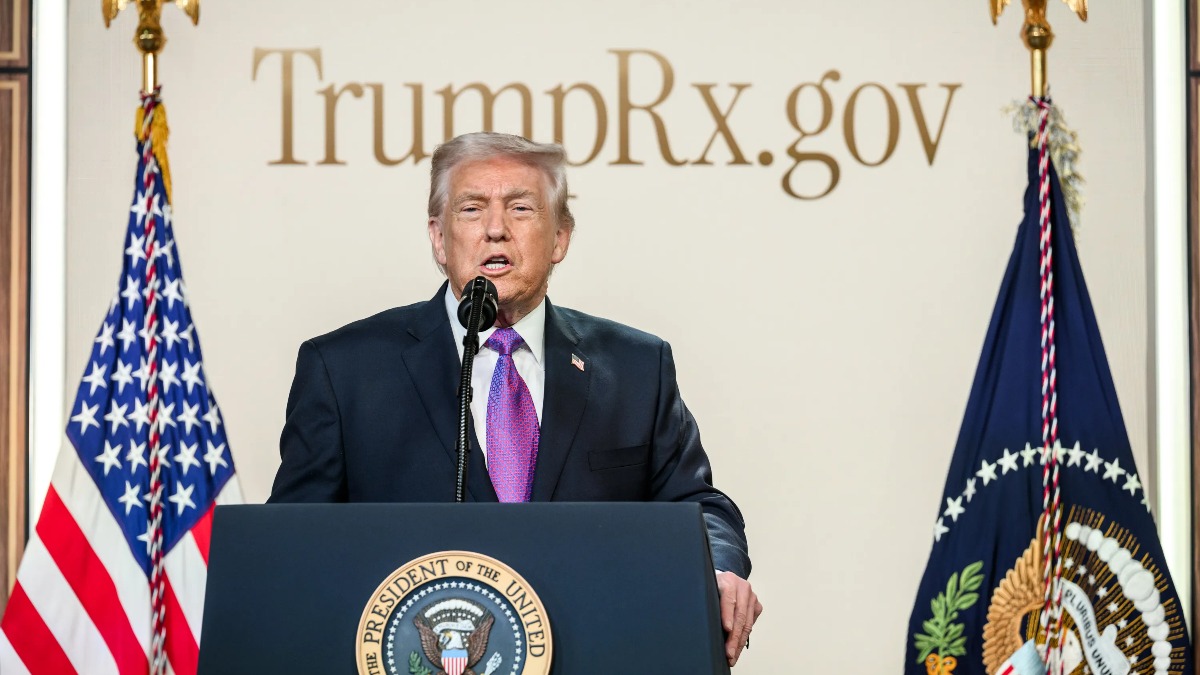
The incident represents a significant escalation in U.S. anti-drug operations and reflects Trump’s broader militarization approach to combating cartels. The administration has deployed more than 4,500 sailors and Marines along with seven warships to the Caribbean region, drawing sharp criticism from Venezuelan President Nicolas Maduro, who has mobilized troops and civilian defenses in response. This military buildup follows Trump’s previous controversial statements about Venezuela, where he once suggested the country would be safer than the United States.
Families of the deceased have come forward to dispute the U.S. claims, with local media reporting that the victims included eight people from the Venezuelan town of San Juan de Unare and three from nearby Güiria. The ongoing controversy highlights the broader questions about Trump’s military policies and the risks of escalating tensions in Latin America through unilateral military action.




Published: Sep 13, 2025 07:40 am