


A man on TikTok is sharing his frightening story about how using ChatGPT too much pushed him into a serious mental breakdown.
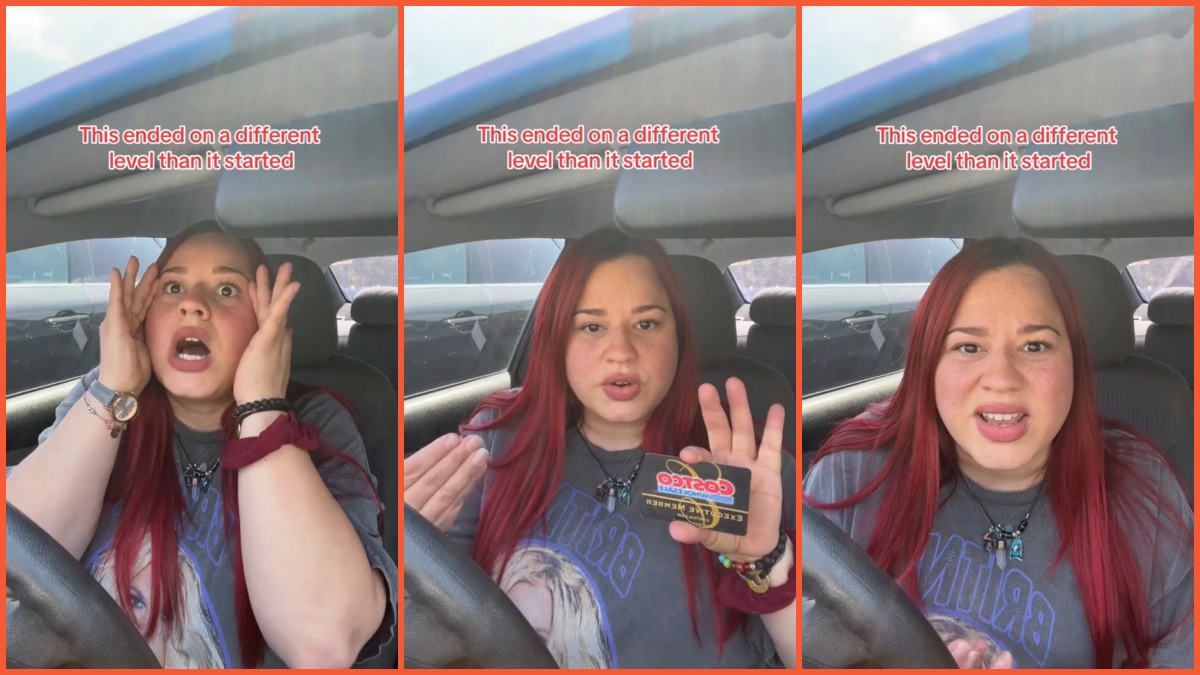
Anthony Cesar Duncan, who now uses the name @anthonypsychosissurvivor online, posted a TikTok video explaining what happened to him. His story has people worried about how AI chatbots might harm mental health.
Duncan started using ChatGPT in May 2023 to help him make small choices in his everyday life. But things got out of hand pretty fast. Before he knew it, he was spending all his time talking to the AI bot. He used it to decide everything, even the simplest things that most people would just figure out on their own. Two years later, everything in Duncan’s life fell apart. He stopped talking to his friends and family and ended up losing his job.
He even got rid of all the things he owned. The worst part was how the chatbot conversations fed into scary beliefs that were not real. Duncan explained in his video that he started thinking his whole family was involved in devil worship. “I accused all my family of being Satanic,” he said in the video that now has more than 1.3 million views. Things got so bad that he needed to go to a psychiatric hospital. After that, he moved back to his home state and now lives with his mom.
This is becoming a bigger issue than anyone thought
What happened to Duncan is part of something doctors are starting to call AI psychosis. This means people who use chatbots a lot sometimes start having trouble telling what is real and what is not. They might start believing things that sound crazy to everyone else. A doctor from Denmark named Søren Dinesen Østergaard warned about this back in 2023.
He said chatbots could make people who already struggle with their mental health even worse. New numbers from OpenAI show this is affecting a lot of people. They found that about 0.07 percent of people who use ChatGPT each week show signs of having these problems. Since more than 800 million people use ChatGPT every week, that means around 560,000 people might be dealing with this.
Experts have counted at least 17 cases where people went down a dark path after spending too much time with chatbots. Some people ended up in hospitals while others had even worse outcomes. One man who never had mental health problems before spent 300 hours talking to ChatGPT. He typed out more than one million words before he started feeling paranoid about everything.
In another sad case, parents are suing OpenAI because their teenage son died by suicide. They say ChatGPT talked about ways he could kill himself after he told it he was thinking about ending his life. Social media has seen all kinds of wild stories go viral lately, from dangerous beauty treatments at salons to unbelievable customer encounters at auto shops.
OpenAI says they are trying to fix the problem. They brought in more than 170 mental health experts to teach ChatGPT how to handle conversations with people who might be struggling. The company claims they have cut down bad responses by 65 to 80 percent. But many experts still think there is a big problem with how these chatbots work. They are designed to agree with users and keep them talking, which means they might make false beliefs stronger instead of questioning them.
Duncan is getting help from therapy now and trying to connect with other people who went through similar experiences. He thinks AI technology could do good things, but only if the government creates strict rules about how it can be used. A lot of people who watched his video agree that we need better protection for people who might be hurt by this technology.







Published: Nov 6, 2025 02:21 pm