


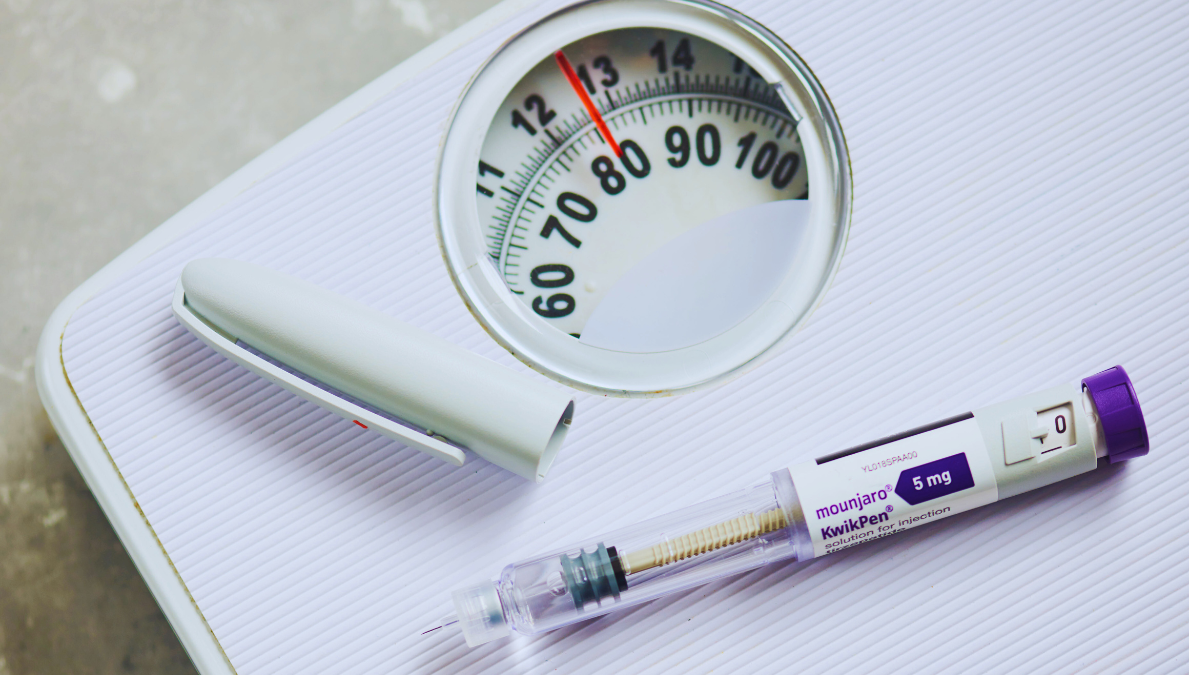

The aviation industry is one of the biggest penny-pinching industries in the world. And reportedly, high-level executives are already counting on Americans using Ozempic and other GLP-1 medications for their profit. They have done the math and are expecting a $580 million bump in revenue if passengers keep losing weight thanks to the drugs.
Ozempic and similar medications have been some of the most talked-about medicines in recent years, even penetrating pop culture enough to inspire an entire South Park episode. Even the president has repeatedly joked that some of his wealthy friends are on it. But it’s important to note that Ozempic is not just a weight-loss drug. Primarily, it is prescribed for adults with type 2 diabetes. Yes, that means that despite South Park being about kids, GLP-1 medications are not medically approved for children — although, to be fair, the show has been more risqué than that before.
The medications work by making users feel fuller, which leads to weight loss as a side effect. Some people view taking Ozempic as a moral issue because, to them, gaining weight is seen as a sign of greed so losing it should require overcoming a vice. But many doctors have credited the medication with helping patients who struggle with chronic weight mismanagement. That being said, you still need a doctor’s prescription to access it.
Airlines — and even troubled aviation companies like Boeing — are quietly hoping people do get that prescription. A recent CBS report revealed that a study by Jefferies Research Services suggests society is now roughly 10% slimmer than it was a year ago. And the aviation industry is looking to reap about $580 million from that shift.
Airplanes are meticulously engineered to manage weight. More weight means more fuel consumption. That’s why airlines have been reported to reduce the number of pages in in-flight magazines, serve pit-less olives, and use lighter paper stock. Even the paint jobs on planes are affected — the more color used, the heavier the aircraft. That’s why most commercial planes are painted white.
Despite all this maneuvering and strategizing, airlines still reportedly spend a combined $38.6 billion per year on fuel. Jefferies conducted its study to track how weight-loss drugs are affecting multiple industries, eventually landing on aviation. These kinds of projections are common in finance, where analysts try to predict which industries might earn just a little more than the year before and place their bets accordingly.
But there’s another side to this equation. What analysts refer to as “foodie travel” could take a hit. A crucial aspect of luxury travel is built around culinary experiences — especially trips to places like Italy, France, and Southern California. These travelers are also the ones buying premium seats, which anyone in the travel industry will tell you are the customers that keep the business afloat. Now, however, those same travelers may shift their interests toward other pursuits.
Who would have thought that changing dietary habits could make flying half a billion dollars more profitable? Truly, food is the fabric of society.








Published: Jan 21, 2026 03:19 pm