


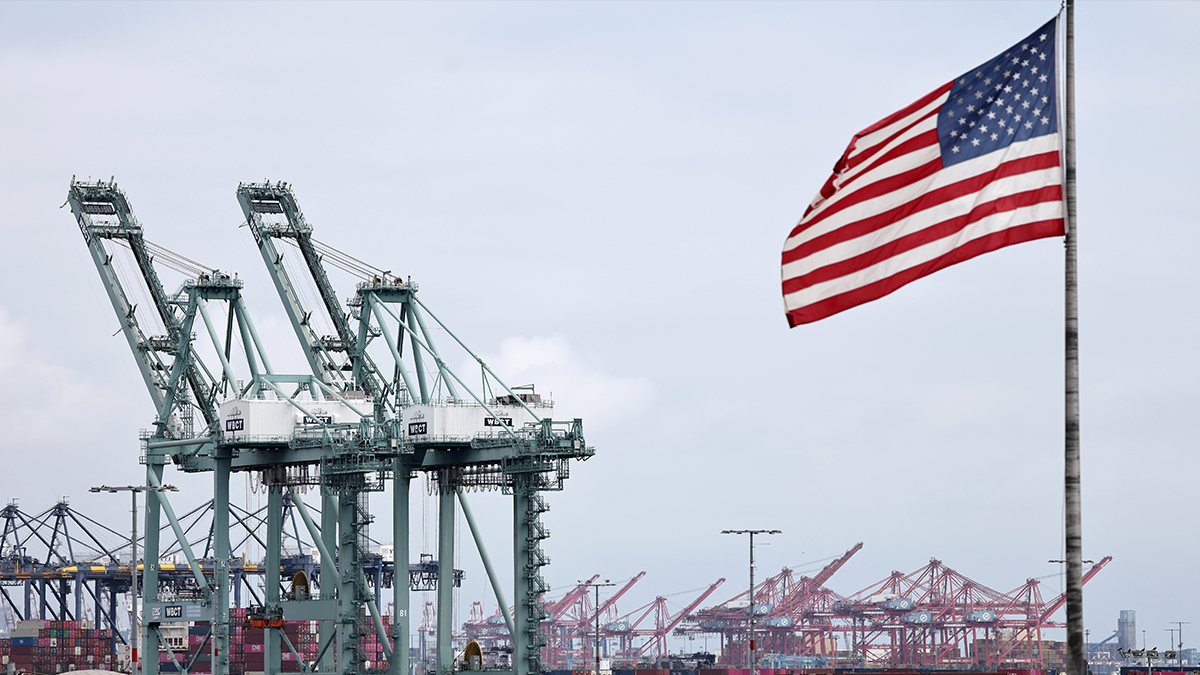

We just got a massive dose of trade whiplash, as the U.S. trade deficit in goods and services rocketed up 95 percent in November 2025, hitting $56.8 billion. That huge spike, according to the latest data from the Commerce Department, completely undoes the previous month’s perceived progress and proves just how volatile President Trump‘s tariff strategy has made the global economy.
This kind of extreme fluctuation is brutal for businesses that are trying to plan supply chains and investment strategies. According to the New York Times report, the components of the trade deficit tell a very clear story. Exports slid 3.6 percent during November, falling to $292.1 billion. At the same time, imports surged 5 percent, climbing to $348.9 billion. When imports spike and exports drop simultaneously, you’re definitely going to see that trade gap blow wide open.
In October, the trade deficit was actually the lowest monthly figure recorded since June 2009. President Trump often points to that shrinking deficit as a sign his policies are working, viewing the metric as a key indicator of economic strength. It turns out that the massive drop was just a temporary blip, not a long-term trend, reflecting the intense volatility caused by the steep taxes the president has imposed on imports.
The focus has been on the short term rather than the long term
Economists have cautioned that focusing too much on the monthly trade deficit is misleading because it is volatile, changing for a variety of reasons. They noted that the prior drop was largely due to temporary shifts in specific products, like gold and pharmaceuticals, which saw strange fluctuations that artificially lowered the October number.
We’ve seen this chaotic tariff cycle play out repeatedly since the administration started this trade policy. Early in President Trump’s tenure, companies rushed to bring goods into the country to beat impending tariffs, which naturally caused imports and the deficit to spike. Then, after the president announced sweeping global tariffs back in April, shipments dropped. This exact pattern of surges and declines has already caused companies to file for bankruptcy.
The overall trade picture isn’t looking much better year-over-year. The total trade deficit through November of last year was still up 4.1 percent compared to the previous year. While exports were higher by 6.3 percent and imports were up 5.8 percent for that same period, the big question now is whether the president’s policies can actually lower imports in the long run, or if we just keep dealing with this unpredictable chaos.
The administration has been using a 1970s emergency law to slap tariffs on nearly every country. Despite criticism, Trump stands firm, stating that they will find workarounds, because the country will face a massive recession if the Supreme Court rules that his tariffs are illegal.








Published: Jan 30, 2026 10:28 am