


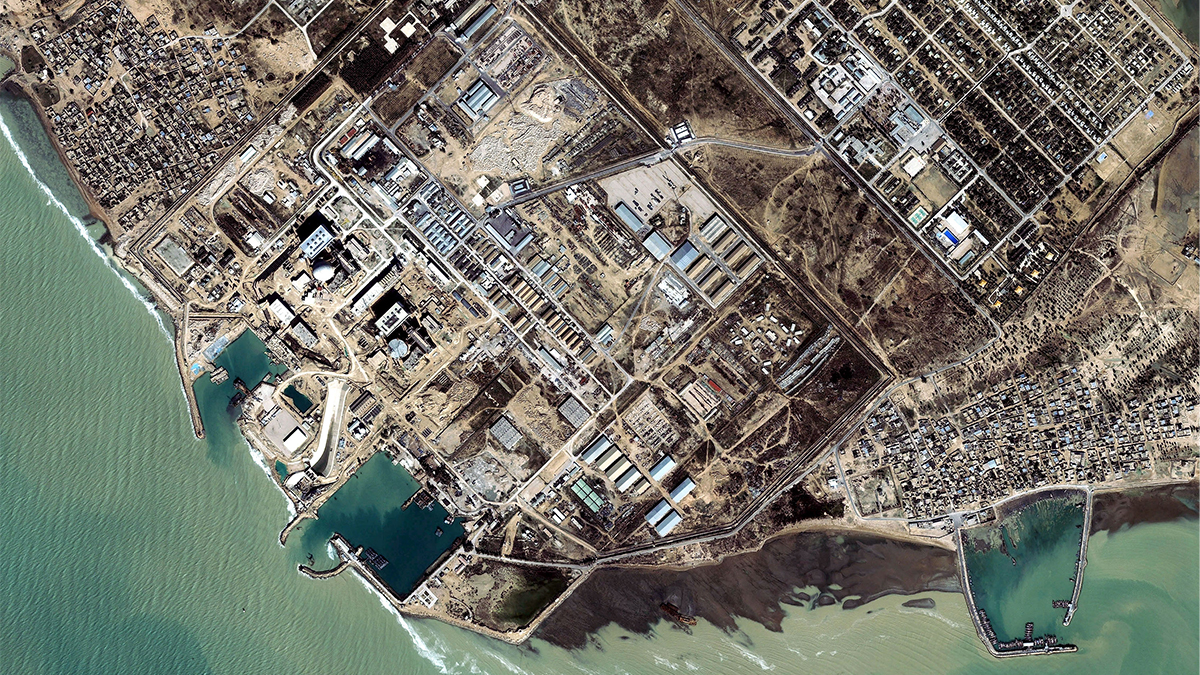

Iran is taking dramatic steps to hide the damage inflicted by last year’s military actions, constructing massive roofs over structures at key nuclear facilities that the United States and Israel hit. According to a Fox News report, fresh satellite images show new coverings being built over two buildings at both the Isfahan and Natanz sites following the devastating June 2025 strikes.
This isn’t just routine repair work, and it’s awful for international transparency. These new coverings completely block satellites from seeing what’s happening on the ground inside these facilities. It’s significant because Iran hasn’t allowed inspectors from the International Atomic Energy Agency (IAEA) to visit the sites since the attacks, meaning satellite imagery is currently the only way the world has to monitor the progress of their nuclear program.
Experts believe Iran is trying to determine which assets survived without revealing the results to its adversaries. Andrea Stricker, who studies Iran for the Washington-based Foundation for Defense of Democracies, explained, “They want to be able to get at any recovered assets they can get to without Israel or the United States seeing what survived.” This includes assessing “whether key assets, such as limited stocks of highly enriched uranium, survived the strikes.”
Building a cover is likely better than attempting a distraction
If you recall, these facilities were the targets of major, coordinated strikes last year. Israel initiated the attacks first, followed quickly by U.S. strikes that utilized bunker-busting bombs and powerful Tomahawk cruise missiles.
The Natanz facility, located about 135 miles south of Tehran, is a sprawling mix of above- and below-ground laboratories. This is where the majority of Iran’s uranium enrichment activities took place. Meanwhile, the site outside Isfahan focused on producing the uranium gas that gets fed into centrifuges for spinning and purification. These sites are absolutely critical to Iran’s ability to develop nuclear material.
The Israel Defense Forces stated in June 2025 that the strike on the Isfahan site successfully “dismantled a facility for producing metallic uranium, infrastructure for reconverting enriched uranium, laboratories, and additional infrastructure.” The White House’s National Security Strategy also confirmed that the U.S. strikes “significantly degraded Iran’s nuclear program.”
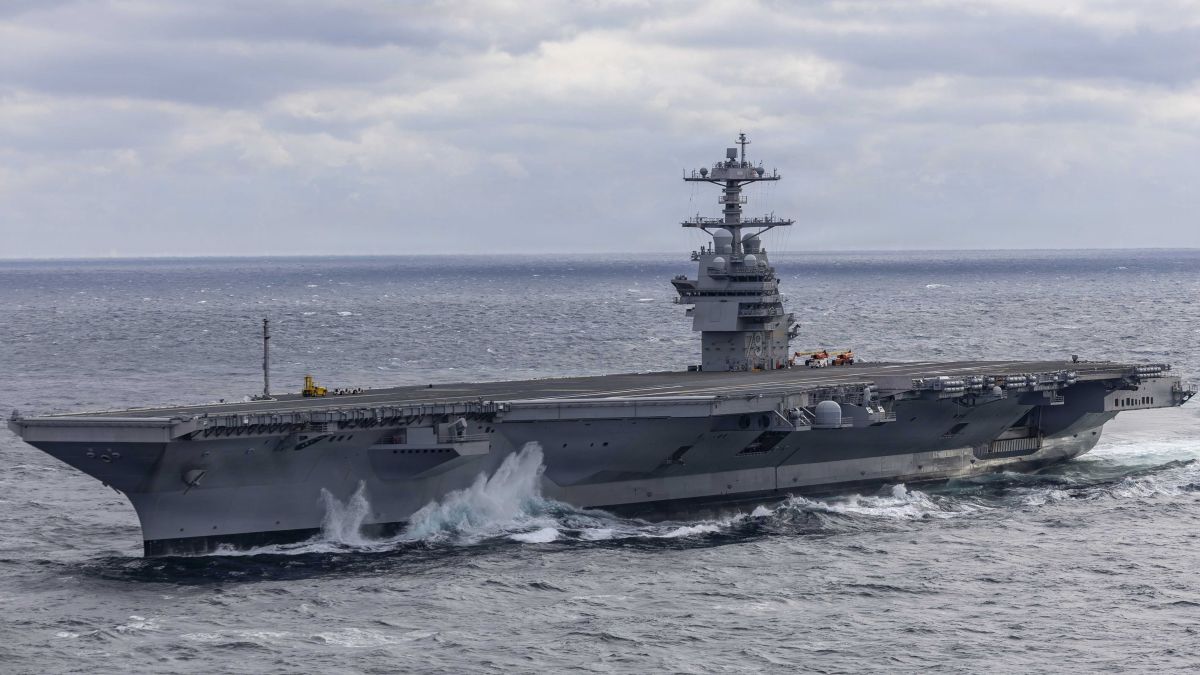
President Trump has repeatedly threatened Iran with an ‘Armada,’ to put pressure on the Iranian regime to negotiate a new nuclear deal. Unsurprisingly, Iranian military officials have responded in kind. War Secretary Pete Hegseth reaffirmed the administration’s readiness during a Cabinet meeting, stating that the U.S. military is “prepared to deliver whatever the president expects” regarding Iran.
Iran’s decision to literally cover up the evidence of the damage just adds another layer of complexity to this already volatile standoff. We’re now watching a high-stakes geopolitical drama play out where the only monitoring tools left are being physically blinded.








Published: Feb 1, 2026 01:47 pm