


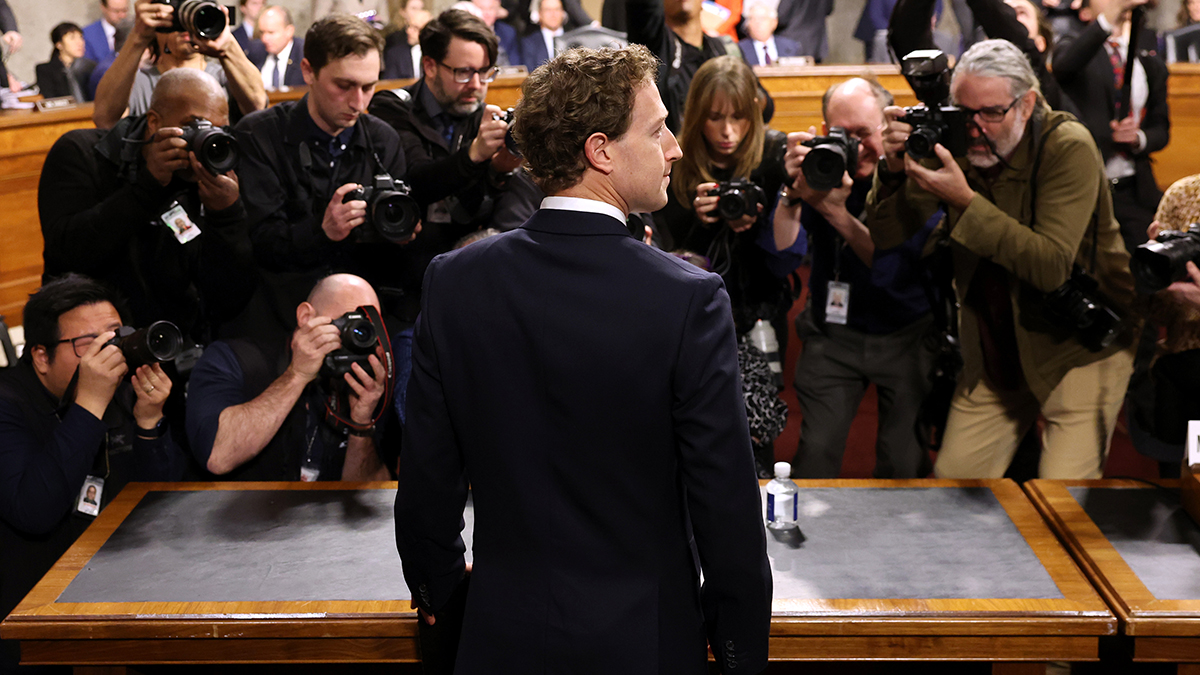

A former Meta engineer provided chilling testimony last week in a New Mexico trial, asserting that Meta platforms actively help child predators connect with potential victims. This revelation comes as the state is building a compelling case against Meta, alleging that the company knowingly exposes children to sexual exploitation and violates state consumer protection laws.
Arturo Béjar, who previously worked as an engineer at Meta, testified about his own 14-year-old daughter receiving unwanted advances after setting up a public Instagram page. According to the Washington Post, Béjar didn’t hold back, stating, “The product is very good at connecting people with interests, and if your interest is little girls, it will be really good at connecting you with little girls.”
The New Mexico case stands out because it uses an undercover investigation to show how child predators operate on Facebook and Instagram. Prosecutors allege that individuals seeking out children could easily bypass Meta’s internal watchdogs and safety systems, even exploiting friend-recommendation algorithms to find a steady stream of potential victims.
It is terrifying to realize how easy it is for predators to get onto social media platforms
After one of the state’s undercover personas was shut down, investigators created a brand-new account with the same name and date of birth in just five minutes by simply using a different username and phone number. The case presented three examples where predators gamed the system. The central example in the trial was Christopher Reynolds, a 47-year-old man who contacted an 11-year-old girl through Facebook messages.
When the messages were reported, New Mexico’s Justice Department used a decoy account for another girl to connect with Reynolds, who then sent explicit photographs and discussed sexual acts. What’s concerning is that Meta had disabled one of Reynold’s accounts after discovering that he was a registered sex offender. Despite that, according to court documents, he operated 15 other accounts.
Meta says it tries to prevent people from creating new accounts after a ban, but admitted that individuals deliberately try to get around its systems. Don Migliori, a lawyer for the state, told jurors that Meta’s systems for catching predators are under-resourced and that its policies often give users multiple chances before taking real action. In other words, Meta’s current system has gaps.
Meta, for its part, has declared its commitment to fight child exploitation. To meet this goal they have developed technology and tools like the Teen Accounts tool that protects the accounts of registered teens. Meta also mentioned that it’s difficult to identify registered offenders without law enforcement reports, but it is working to identify and close new accounts created by banned individuals.
The state is seeking financial penalties against the company and court orders that would force it to do more to protect children and teenagers online. These include specific changes like including age verification and addressing risks in encrypted chats. Meta is facing an ongoing struggle to fix censorship issues and deal with backlash from the AI tools it has introduced.







Published: Feb 20, 2026 11:29 am