


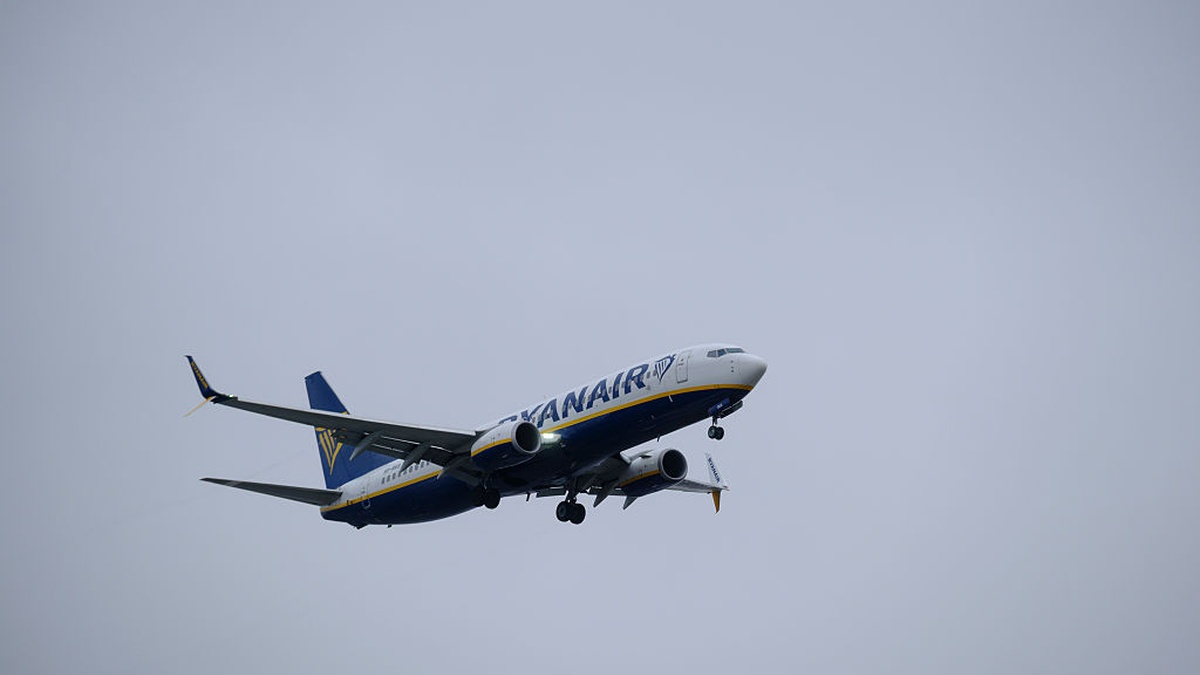

Budget airlines like Ryanair, Spirit, Frontier, and Wizz Air often show seat options such as “Standard Seat” or “Extra Legroom Seat” during booking, but they never tell you the actual measurements in inches or centimeters. This is not an accident. It is a deliberate strategy built on pricing psychology, regulatory gaps, and how passengers behave when buying tickets.
These budget carriers operate on very tight profit margins and depend heavily on extra fees beyond the base fare. Seat selection alone brings in over €1 billion every year from low-cost airlines in Europe. According to Alibaba, research from the UK Civil Aviation Authority found that when legroom measurements were clearly shown to passengers, paid seat conversion rates dropped by 22%, even though passenger satisfaction went up by 37%. Airlines know this, so they keep the numbers hidden.
Airlines also use this approach to sort their customers. By not sharing the actual data, they force passengers to decide whether they are “space-sensitive” and willing to pay more, or “price-sensitive” and fine with whatever they get. Someone who does not know that a standard seat pitch is 28 inches might assume all economy rows are similar, only to find themselves uncomfortable; which then pushes them to upgrade on the next flight.
Budget airlines are built around dense seating and hidden data, and it is only getting worse
“Legroom” is more than just knee space. It depends on seat pitch, seat depth, cushion slope, and recline. Even a 2–3 degree difference in recline can change your usable knee space significantly if the person ahead of you reclines fully. For example, a Boeing 737-800 can have 29-inch pitch in exit rows, 28 inches in standard economy, and just 27 inches in the last few rows.
Spirit Airlines uses 28-inch pitch across most rows but drops it to 26 inches in the first five rows to fit an extra row of seats. A 2-inch reduction in pitch means about 4–5 cm less knee clearance, which most adults will feel immediately.
Lena K., a software engineer from Berlin, booked an easyJet “Preferred Seat” for €12.99, thinking it meant more legroom because it was near the front. Instead, she was placed in a standard 28-inch pitch row behind a galley wall, with no room to stretch and a fixed seat in front. Her knees were pressed against the seatback for the entire 2.5-hour flight.
When she complained, easyJet responded that “Preferred Seats offer enhanced comfort through location and service benefits,” completely avoiding the legroom issue and offering no refund. Passenger frustrations with budget airlines go beyond legroom; a recent Frontier Airlines flight incident shows how quickly things can spiral when travelers feel mistreated.
The trend of fitting more seats into planes is getting worse, especially in Asia, where air travel demand is growing fast. Cebu Air is moving kitchens and bathrooms on some of its new A330neos to fit a record 460 seats. Bangkok-based consultant Mathieu De Marchi says: “It’s all a matter of squeezing as many passengers as they can.”
Economy seat pitch has shrunk from 34-35 inches in the early 2000s to a typical 30–31 inches today, with some short flights going down to 28 inches. Seat widths have also narrowed from 18.5 inches to about 17 inches. This reduction in personal space has also contributed to rising tensions on board, as seen in this Spirit Airlines chaos involving trapped passengers.
You can still get better legroom without always paying more. First, know your minimum pitch requirement; most adults under 175 cm need at least 29 inches for comfort. Check the aircraft type using your flight number on sites like FlightRadar24, and use independent seat maps such as SeatGuru or AeroLOPA to find good rows. Target exit rows, bulkhead rows, or rows 10–12 on A320s, which often have better pitch. Also, check again at online check-in, 24-48 hours before departure, as airlines often release better seats, including some exit rows, for free at that point.









Published: Feb 20, 2026 11:16 am