


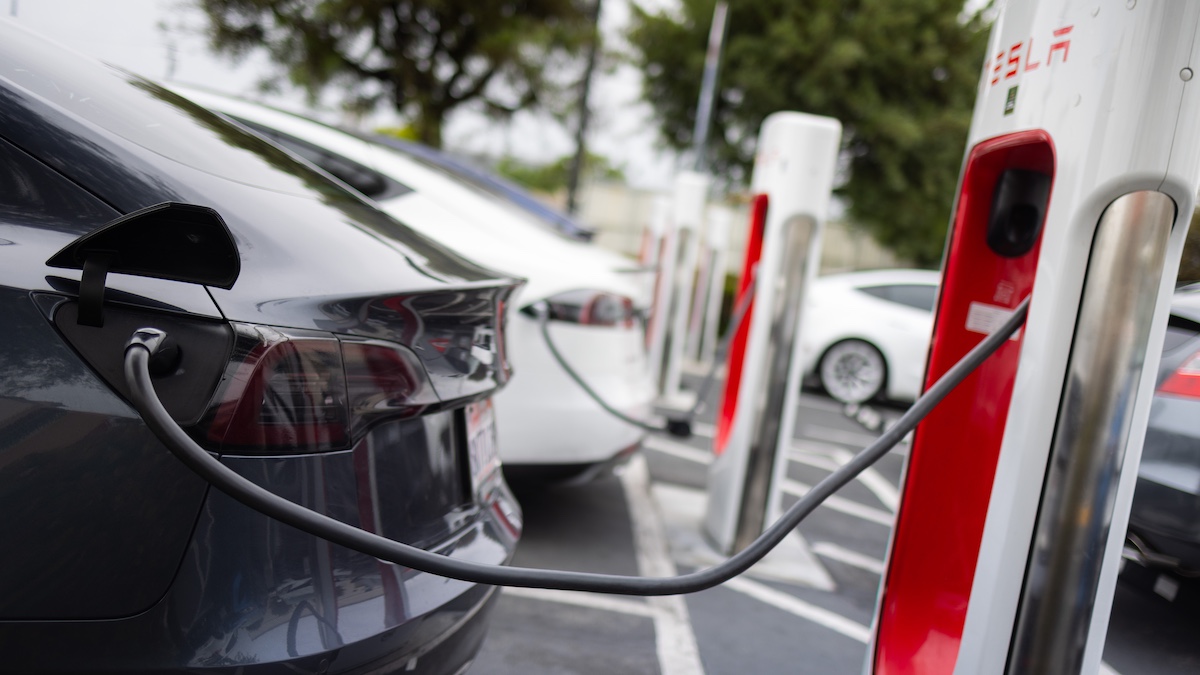

In a troubling situation, a used‑Tesla buyer says his vehicle was abruptly stripped of Supercharger access and warranty coverage, with no warning from the company.
The Reddit post, shared by user ReaverKS, lays out a frustrating experience that many electric‑vehicle owners say highlights a confusing and opaque policy that could affect used‑Tesla shoppers nationwide.
“I bought a used Tesla from a small dealership in Chicago about 5 months ago,” ReaverKS wrote. “It was a 4-hour drive, but the price was about 15% lower than around here, so I figured it’s worth the drive. More specifically, it has the exact features I wanted, and I liked the color.”
ReaverKS said, “I looked the car over, made sure the VIN matched the title,” and the dealership showed them the car in the app with matching VIN, “and showed me the warranty was still on there. So I bought the car, drove it home, supercharged it, no issues.”
The Supercharger issue and Tesla’s salvage policy
But a few months later, while far from home, his Tesla suddenly stopped working with Supercharger stations. After hours of slow Level‑1 charging and multiple attempts to reach Tesla support, he finally learned the reason: his car was flagged in the automaker’s internal system as “salvage,” which automatically removed Supercharging privileges and voided the warranty, without any call, email, or in‑app alert.
According to multiple reports, Tesla’s internal policies give the company wide latitude to classify vehicles as “unsupported” or “salvage” if it believes they have been in significant damage or total‑loss situations. When this happens, Supercharger access and warranty protections can be disabled, even if public records, like state titles or vehicle history reports, list the car as clean. Tesla has not publicly commented on this specific case.
The post added,
My insurance company says the car is fine, the title is clean. Tesla says its salvage. To be clear, I didn’t even ask if they could put me back on the supercharger network I’ve already bought an adapter and do 3rd party charging. I simply asked if they could reinstate my battery warranty, and they seem to be saying no.”
The post said, ” … how does someone safely buy a used Tesla without having Tesla later pull a massive switcheroo on them?”
Tesla’s salvage vehicle documentation states that once a car is flagged, limited warranties and extended service agreements are voided, and rapid charging — including Supercharging and third‑party fast charging — is permanently disabled unless the vehicle completes a high‑voltage safety inspection at the owner’s expense.
Industry reports show this policy isn’t new; Tesla confirmed as early as 2020 that it would disable Supercharging on vehicles with salvage titles, citing safety concerns related to battery or structural integrity.
A growing pattern of frustration
This situation echoes other high‑profile cases. In late 2025, another Tesla owner discovered his used Model 3 was barred from the Supercharger network and had its warranties voided after a dealership sale, even though a Carfax report indicated only a “minor accident.” Tesla told the owner the vehicle was “unsupported for supercharging and warranties are voided due to [it being a] salvaged vehicle,” a policy the company said was rooted in safety considerations.
Owners and consumer‑advocacy forums have also reported instances where internal Tesla systems flagged a VIN incorrectly, leading to disability of charging and warranty features despite a clean title, requiring extensive paperwork and expense to resolve.
What this means for Tesla buyers
Experts advise prospective buyers to go beyond surface checks like CARFAX or dealer assurances. A clean state title doesn’t guarantee Tesla’s internal systems won’t classify a car differently. Because Tesla’s systems integrate multiple data sources and may detect damage that didn’t trigger a state salvage title, buyers should request the full Tesla service history before purchase, including any internal flags or incident records.
Consumers should also consider a pre‑purchase inspection at a Tesla service center, and be wary of deals that look significantly cheaper than the market average. And most importantly, know that Tesla’s policies allow it to void warranties and restrict charging based on its criteria, not just government titles.


Published: Feb 20, 2026 03:14 pm