


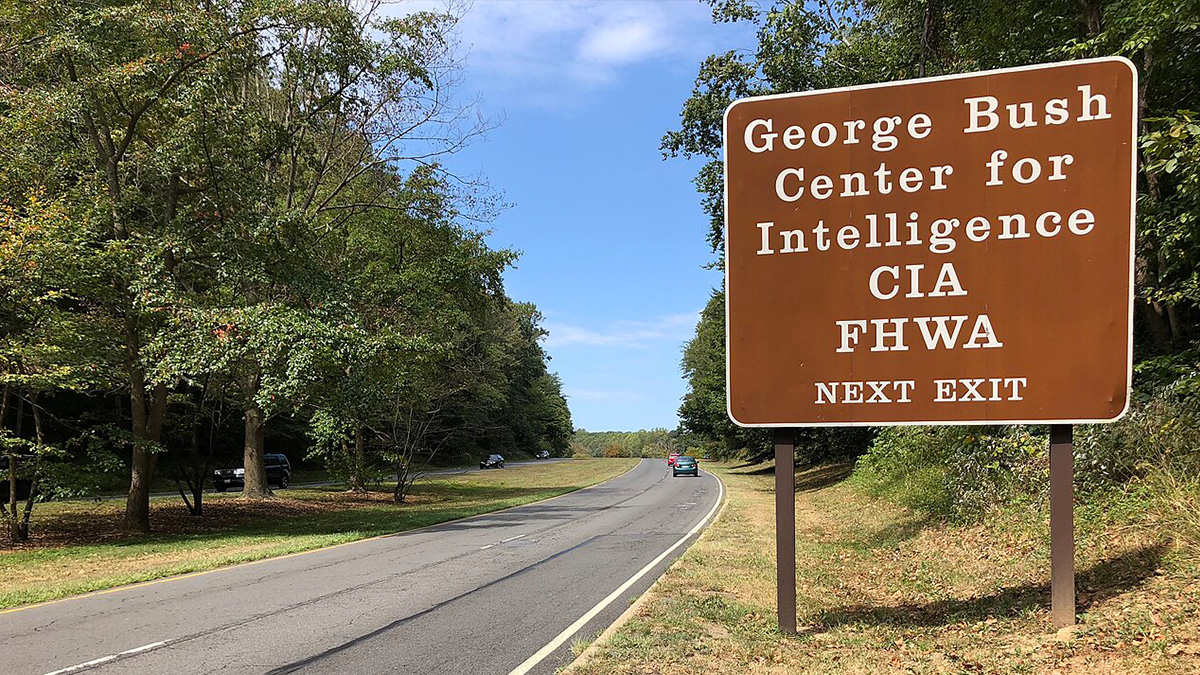

The CIA has just launched a new social media campaign, posting Farsi-language instructions to help Iranians securely contact the intelligence service.
This recruitment drive comes as tensions are simmering between the United States and Iran. We’ve seen a massive buildup of U.S. military forces in the Middle East, and Donald Trump has made it clear that he could order an attack on Iran if upcoming talks regarding Tehran’s nuclear program don’t pan out.
Reuters reported that the CIA’s Farsi-language message went live on Tuesday across several major social media platforms. This isn’t a one-off either; it’s the latest in a series of efforts by the agency to recruit sources in countries like Iran, China, North Korea, and Russia.
Why are they recruiting openly across the internet?
If you’re an Iranian considering making contact, the CIA’s message offers some crucial advice. They’re urging people to “take appropriate action” to protect themselves before reaching out. That means avoiding work computers or personal phones, which makes a lot of sense for operational security. They even suggest using a “new, disposable device, if possible.”
They also caution to “be aware of your surroundings and who may be able to see your screen or activity.” For those who do make contact, the agency asks for details like their location, name, job title, and “access to information or skills of interest to our agency.” They’re looking for specific capabilities and insights, not just general chatter.
To ensure secure communication, the message recommends using a trusted Virtual Private Network (VPN) that isn’t headquartered in Russia, Iran, or China. Alternatively, they suggest using the Tor Network, which is great for encrypting data and hiding a user’s IP address. It’s clear they’re emphasizing anonymity and security above all else, which is paramount in these kinds of operations.
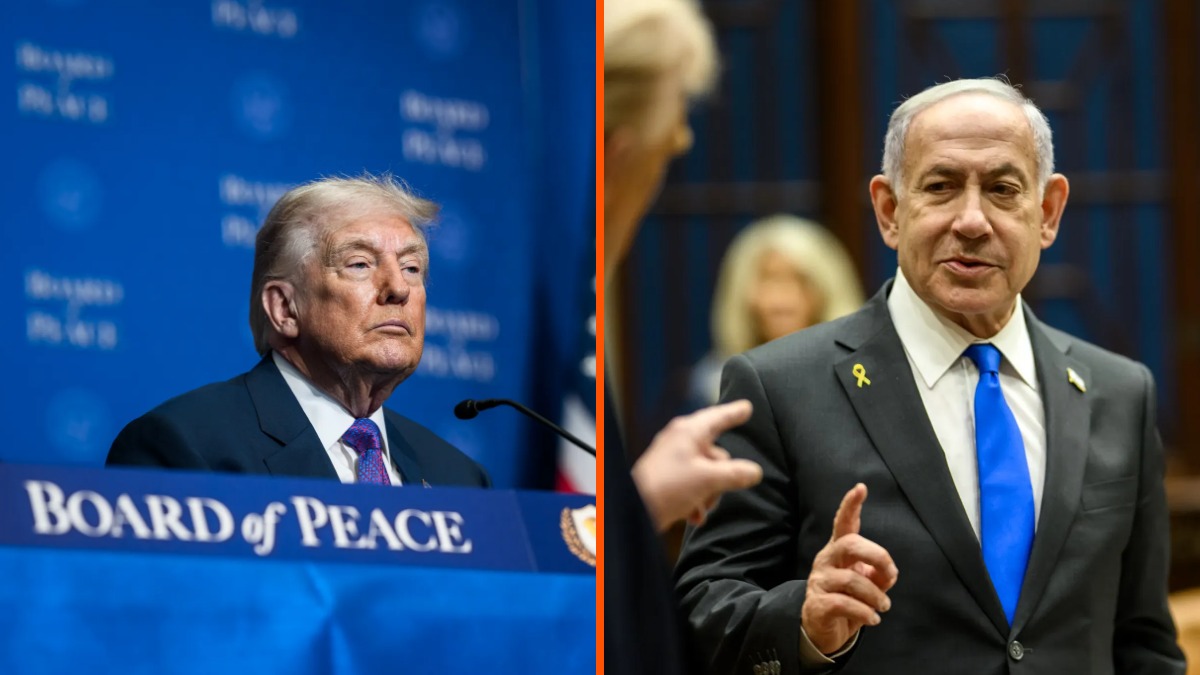
Neither the CIA nor Iran’s delegation to the United Nations has commented on this recruitment drive. Trump laid out his concerns about Iran during his State of the Union speech, stating that he wouldn’t allow “the world’s biggest sponsor of terrorism” to get a nuclear weapon. Iran, for its part, denies that it’s trying to build a nuclear arsenal. This week, U.S. envoys Steve Witkoff and Jared Kushner are set to meet with Iranian officials in Geneva for another round of negotiations.
Beyond the nuclear talks, Trump has also threatened military action if Iran executes people who were arrested during nationwide anti-government demonstrations in January. Rights groups have reported that thousands were killed in the government’s crackdown on those protests, which were the worst domestic unrest in Iran since the 1979 Islamic Revolution. Where Iran goes from here is anyone’s guess, but whoever comes out on top regular citizens are in for a rough ride.






Published: Feb 27, 2026 11:21 am