


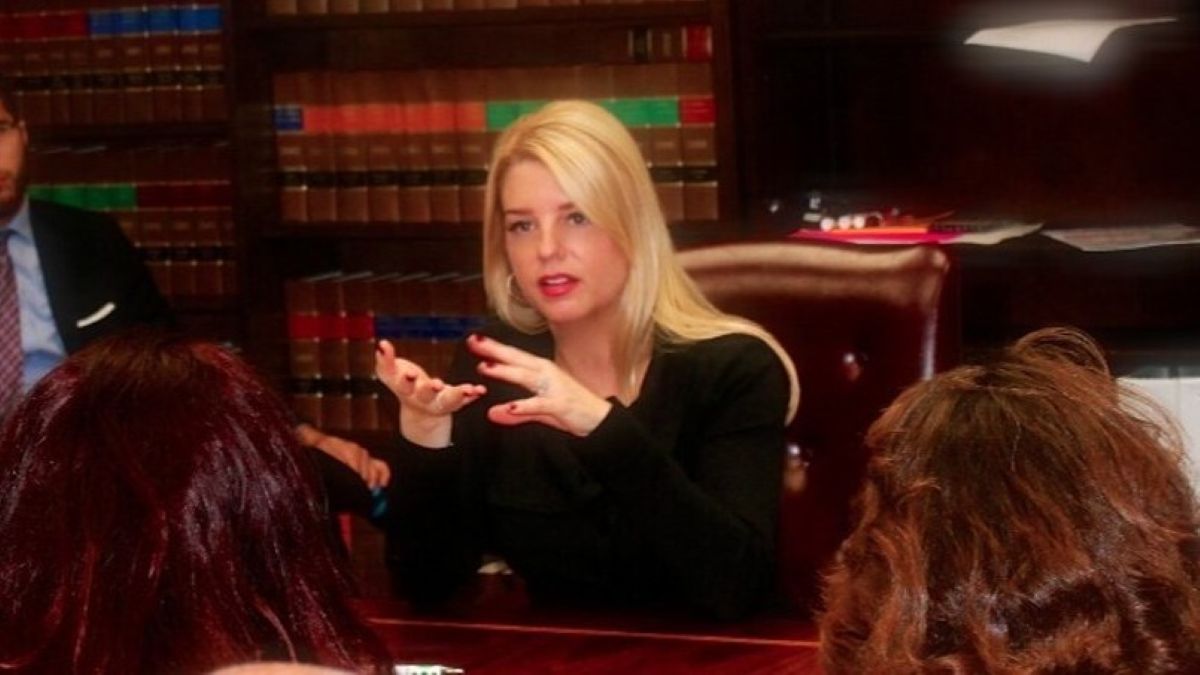

The Department of Justice is seeking to gain control over how its lawyers are disciplined, proposing a new regulation that would allow it to intervene in state bar associations’ ethics investigations. This is a massive deal and has made many people question the agency’s push for a tighter grip on these important probes.
Stephen Gillers, a legal ethics scholar at New York University School of Law, called the whole thing “a DOJ power grab.”
This rule would allow the DOJ to review any allegations against its lawyers first, essentially asking state bar authorities to pause their investigations until Pam Bondi finishes her own internal review. While the DOJ couldn’t force state bars to halt their reviews, it’s clear they’re looking to put a federal stamp on these processes.
It is a much bigger deal than you think
The DOJ says this proposed rule is simply an extension of Trump’s day-one directive to end the perceived weaponization of the federal government. The notice suggests that “political activists” are using bar complaints to target DOJ lawyers, and it finds state bars’ willingness to investigate these complaints “troubling.”
The DOJ’s submitted overview of the proposed rule states, “This unprecedented weaponization of the State bar complaint process risks chilling the zealous advocacy by Department attorneys on behalf of the United States, its agencies, and its officers.” It goes on to say that such a “chilling effect” would interfere with the Attorney General’s broad authority to manage and supervise Department attorneys
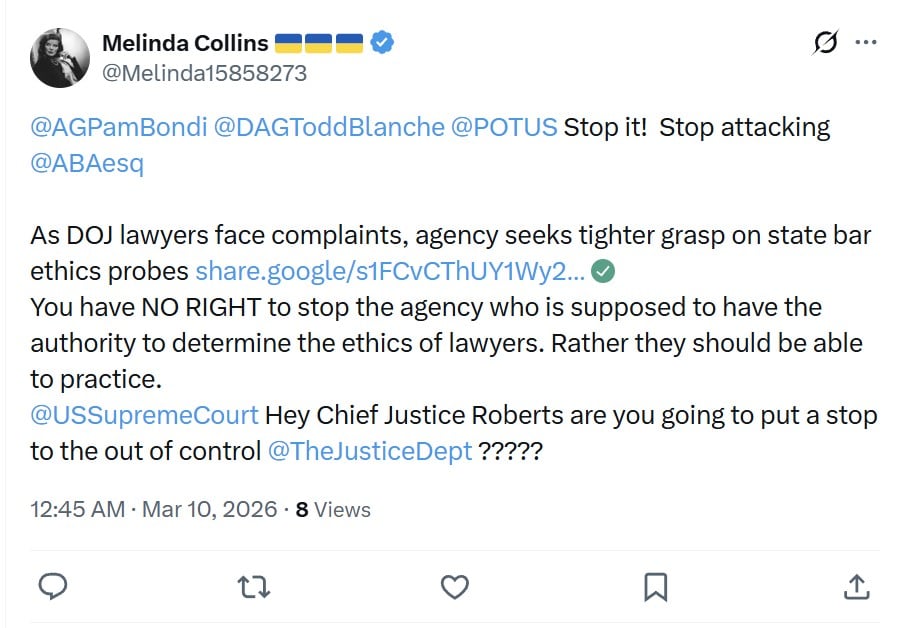
Since Trump’s return to the White House, many of his top Justice Department officials, including Bondi, Deputy Attorney General Todd Blanche, and Emil Bove, the former No. 3 DOJ official who is now a federal appellate judge, have faced complaints from watchdog groups. Courts have slammed Bondi for violating court orders and questioned the competence of DOJ lawyers. Even rank-and-file prosecutors have seen their share of complaints.
Unsurprisingly, Bondi’s proposed rule has generated massive backlash in most of the 4,800 public comments as of Friday afternoon. Liz Oyer, a former pardon attorney, wrote on her publishing platform that the proposed rule “would sound the death knell for ethical guardrails inside the Justice Department, a concept already clinging to life support.”
The DOJ notice also indicates that if state bars refuse Bondi’s request to intervene, the DOJ would take “appropriate action” to prevent the bar from “interfering” with the federal government’s review. Gillers believes this rule could ultimately diminish the power of state courts, not just state bars, when it comes to enforcing discipline.








Published: Mar 10, 2026 05:21 am