


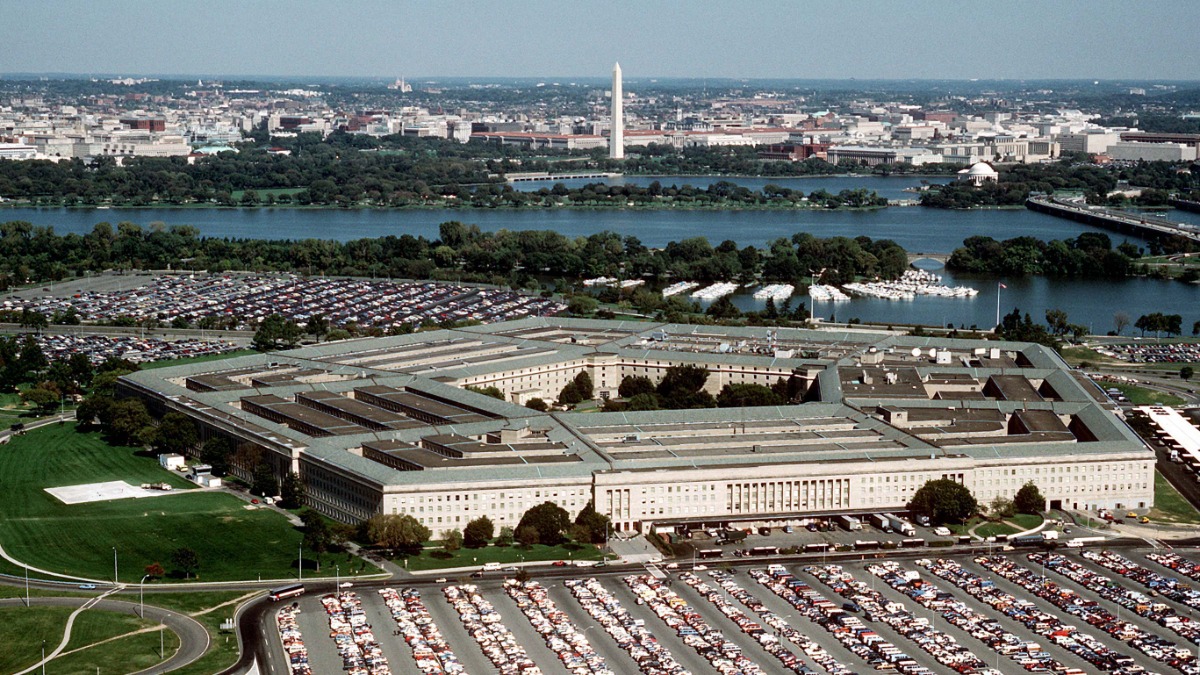

The Pentagon has confirmed that approximately 140 U.S. service members have been wounded in the ongoing conflict with Iran. This is a major jump from the eight serious injuries they had previously made public. The updated figure came after sources familiar with the situation indicated that nearly 150 troops had been injured in the 10-day-old war.
Chief Pentagon spokesperson Sean Parnell released a statement confirming the new casualty count. He clarified that the vast majority of the approximately 140 wounded service members sustained minor injuries. Parnell also noted that 108 of these troops have already returned to duty, suggesting that many of the wounds were not severe enough to keep them off the battlefield for long.
According to Reuters, the original eight seriously wounded service members are still receiving the highest level of medical care. What remains unclear is the specific types of injuries sustained, including whether any involve traumatic brain injuries, which are common after exposure to explosive blasts. This detail matters because such injuries can have long-term effects on troops even when they are not immediately visible.
The Pentagon’s initial silence on casualties raises serious questions about transparency in wartime
The conflict, dubbed “Operation Epic Fury,” began on February 28. Iran has been launching retaliatory strikes against U.S. military bases and has also targeted diplomatic missions in Arab Gulf states, as well as hotels, airports, and oil infrastructure. There is also a deeper dispute over how many U.S. troops were actually killed in the conflict, with Iran’s claims differing sharply from official U.S. figures.
The Pentagon reports that the number of Iranian strikes has dropped sharply since the war began. This is because the U.S. military has been actively bombing Iran’s weapons inventories and targeting their missile launchers, degrading Iran’s ability to carry out large-scale attacks.
General Dan Caine, who chairs the Joint Chiefs of Staff, spoke to reporters about the state of the fight. When asked whether Iran was proving to be a tougher adversary than expected when war plans were drawn up, Caine dismissed the idea. He told reporters that the fight isn’t harder than expected, and while he respects their willingness to fight, he doesn’t believe they are more formidable than what was anticipated.
Parnell’s statement did not address why the initial public disclosure only mentioned eight serious injuries, leaving out the far larger group of troops with minor wounds. This latest controversy is part of a broader pattern of the Pentagon facing criticism over politically motivated decisions that have drawn public scrutiny in recent months.







Published: Mar 11, 2026 09:58 am