


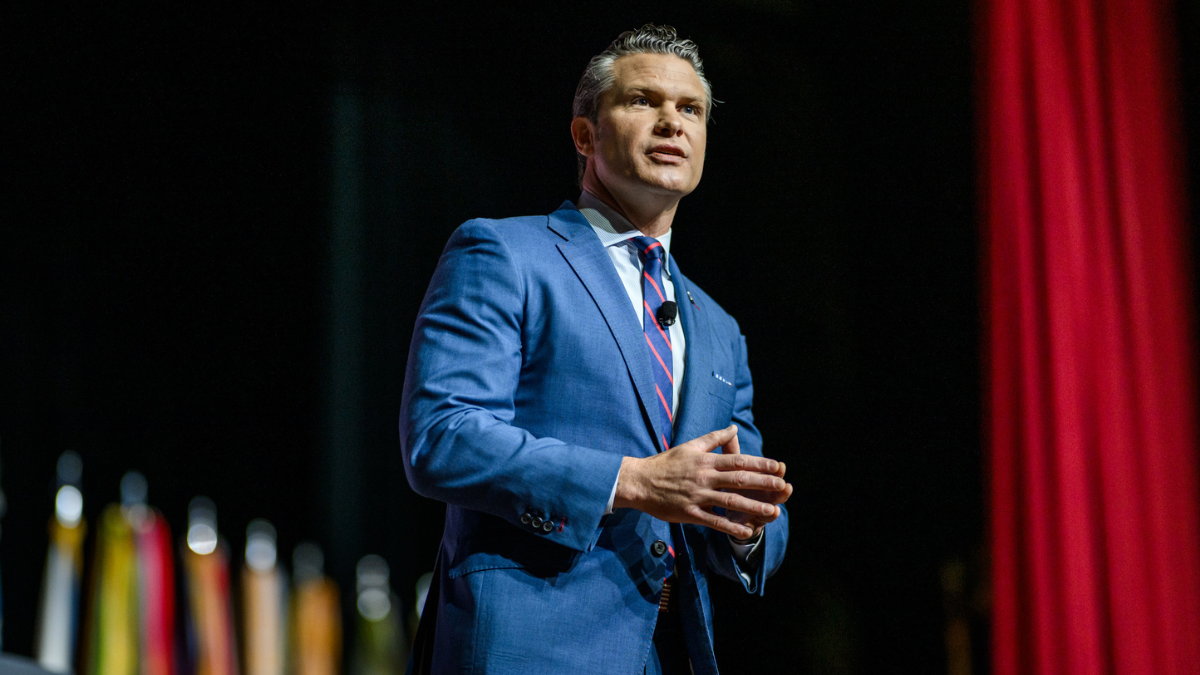

Defense Secretary Pete Hegseth recently met with the families of the six service members killed when their refueling plane crashed in Iraq during the US-Israel war against Iran. Hegseth later told the press that the families urged him to “honor their sacrifice” and finish the war. But some of those same families are now coming forward to say they were misquoted.
According to NBC, Hegseth said, “What I heard through tears, through hugs, through strength and through unbreakable resolve was the same from family after family. They said, ‘Finish this. Honor their sacrifice. Do not waver. Do not stop until the job is done.’” It’s a powerful quote — the kind that neatly reinforces a policy position, which is exactly why people are now questioning whether it was ever actually said.
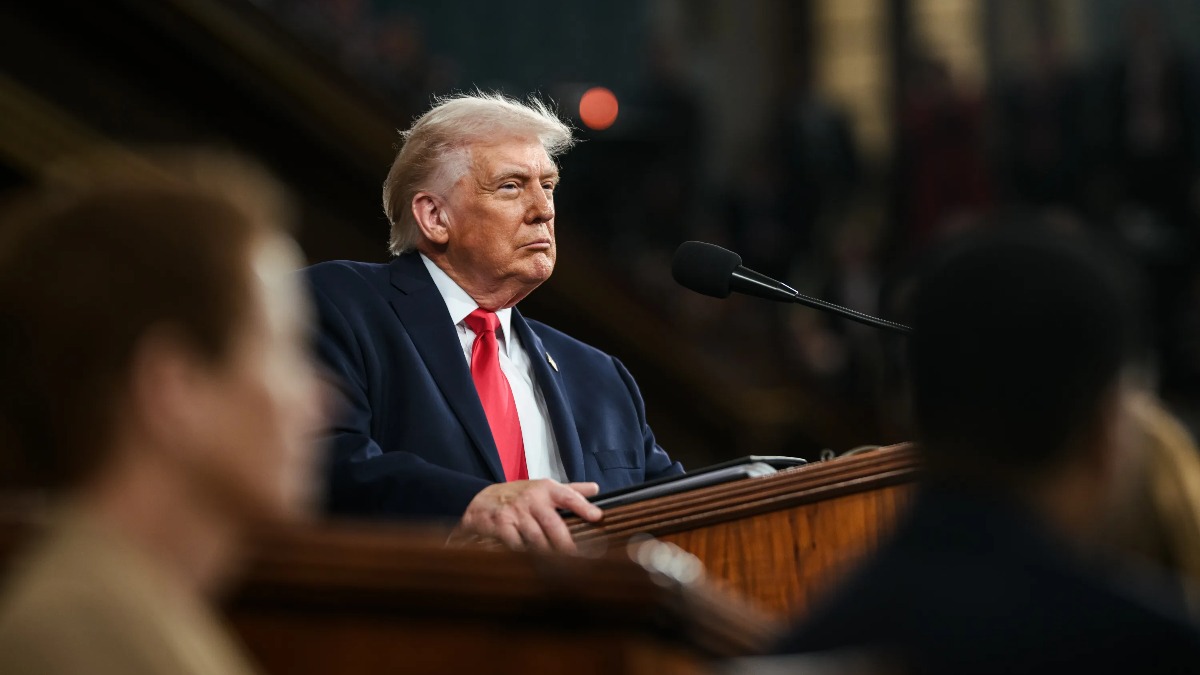
Hegseth has been doing everything he can to maintain morale for a war that appears to be drifting beyond any clearly shared vision between the US and Israel. Earlier in the week, he even attempted to coach reporters on how to frame their coverage of the battlefield. That move alone triggered significant backlash, with critics accusing the administration of trying to propagandize the public. But having the families of fallen service members directly contradict him is far more damaging — because it cuts through messaging and lands squarely in credibility.
Tech. Sgt. Tyler H. Simmons was among the service members who lost his life in the Iran war. He was 28. His father, Charles Simmons, was one of the family members Hegseth met at Dover Air Force Base in Delaware. Simmons has since made it clear that he does not recall any such exchange. He said, “I can’t speak for the other families. When he spoke to me, that was not something we talked about.”
Notably, Simmons isn’t approaching this from a place of political hostility. In fact, he described his interaction with both Hegseth and President Trump as respectful and appreciated the recognition given to his son. Which makes his correction carry even more weight — this isn’t opposition, it’s clarification.
Simmons explained that what he actually said was, “I understand there’s a lot of peril that goes into making decisions like this, and I just certainly hope the decisions being made are necessary.” And when asked directly whether he told the president or defense secretary to continue the war, he was unequivocal: “No, I didn’t say anything along those lines.”
The American public’s appetite for war has been steadily declining for years, and that skepticism didn’t appear overnight. It traces back at least two decades to the Iraq War under George W. Bush, when the search for Weapons of Mass Destruction became a defining example of how political justifications for war can unravel. Trump himself once campaigned on avoiding exactly that kind of entanglement.
Now, however, the situation feels uncomfortably familiar. The purpose of the war remains unclear to many, and attempts to frame it through the voices of grieving families — whether intentional or not — risk deepening that distrust. Because if there’s one thing people expect to be clear in the middle of war, it’s what, exactly, they’re being asked to support.
Right now, the fog of war is obscuring a lot. But the reason for the war shouldn’t be one of those things.



Published: Mar 20, 2026 09:49 am