


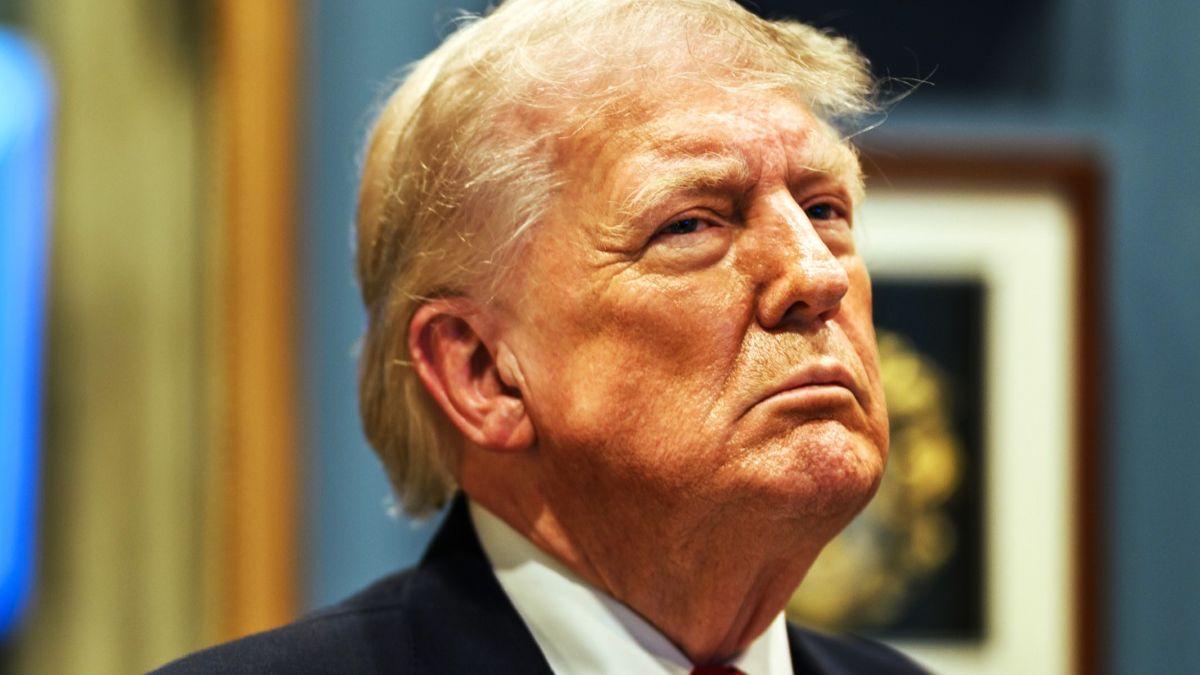

Donald Trump has treated us all to his predictions on gas prices, suggesting that costs could stay the same or even go up by the time the midterm elections arrive. These comments came during an interview on Sunday Morning Futures, where he addressed the possible economic impact of the ongoing conflict with Iran and the recent decision to impose a naval blockade.
When asked by Maria Bartiromo whether oil and gas prices would be lower before the midterms, Trump gave a cautious answer. According to The Hill, he said, “I hope so. I mean, I think so, it could be, it could be, or the same or maybe a little bit higher, but it should be around the same.” The Strait of Hormuz has become a key focus for both energy markets and the military. This waterway carries roughly one-fifth of global oil and natural gas supplies.
After ceasefire talks between the US and Iran broke down over the weekend, Trump announced on Truth Social that the US Navy would begin blockading ships trying to enter or leave the strait. US Central Command later clarified that the blockade would specifically target vessels going to and from Iran, so as not to disrupt other global traffic.
The naval blockade is sending oil prices and global markets into a spin
This announcement had an immediate effect on financial markets. Brent crude, the international benchmark for oil, surged more than 8 percent on Sunday, climbing above $103 per barrel. This was the first time it crossed the $100 mark since the previous Tuesday, when prices had reached as high as $111 a barrel.
Major stock markets in Asia opened lower on Monday, with Japan’s Nikkei 225 falling 0.9 percent and South Korea’s KOSPI dropping more than 1 percent. US stock futures tied to the S&P 500 also slipped about 0.8 percent during off-hours trading.
Oil prices have been highly volatile over the past several weeks. They previously hit a high of $119 a barrel last month, before dropping below $92 last week when both nations announced a temporary two-week ceasefire. According to Al Jazeera, traffic through the Strait of Hormuz has also taken a serious hit. Before the war, around 130 vessels passed through the area each day.
By last Saturday, that number had fallen to just 17, according to maritime intelligence firm Windward. For everyday Americans, the pain is already showing at the pump. AAA data shows the average price for a gallon of regular gas is now around $4.13, up from $3.60 at the same time last month. The rising cost of living has become a central issue heading into the midterms.
Trump is facing pressure from multiple directions, including Candace Owens’ growing criticism of the president over his handling of key issues. Data from late last year showed that more than 30 percent of surveyed Trump voters identified the cost of living as the worst in living memory. Trump, however, remains optimistic about how long the conflict will last.
During the interview, he suggested the situation would not go on much longer, saying the opposing forces are “wiped out” and that the current military strategy is aimed at ending the conflict. The blockade took effect starting Monday at 10:00 AM Eastern Time. As the blockade begins, both energy markets and American consumers will be watching closely to see how events unfold.
Within the Trump family itself, attention has also turned to Barron Trump’s early moves in business, which have already drawn accusations of corruption. The overlap between military decisions and household affordability continues to be one of the biggest challenges facing the administration right now.








Published: Apr 13, 2026 09:29 am