


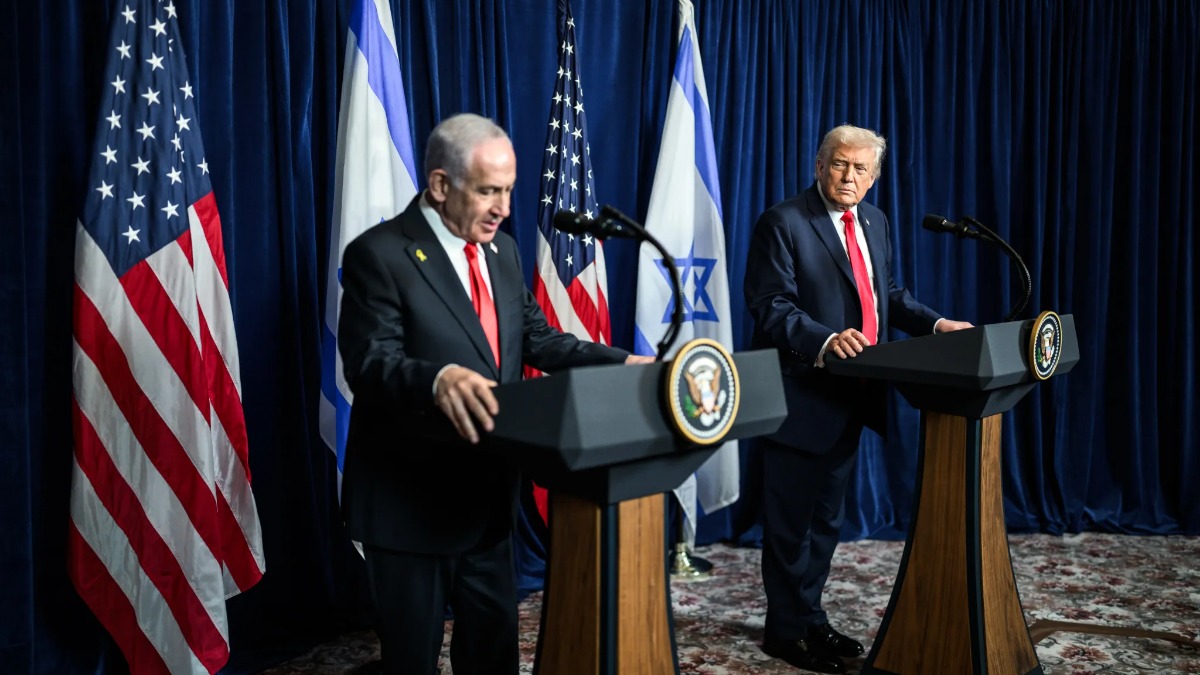

The current ceasefire with Iran and Lebanon is being extended for three more weeks. Still, the reality on the ground remains incredibly volatile as fighting persists and the death toll continues to climb. President Trump announced this extension, following meetings with Lebanese and Israeli ambassadors at the White House. However, the agreement is already facing severe criticism.
According to a Reuters report, Hezbollah lawmaker Ali Fayyad described the ceasefire as meaningless, pointing to Israel’s continued use of shelling, assassinations, and gunfire, alongside the ongoing demolition of towns and villages in southern Lebanon.
It’s hard to look at the situation and see anything resembling peace when the violence is still so active. Just this past Friday, Lebanese health authorities reported that an Israeli airstrike killed two people in the southern village of Touline. This comes on the heels of even deadlier encounters. On Wednesday, Israeli strikes resulted in the deaths of at least five people in the south, including a prominent journalist named Amal Khalil.
A journalist going down is never a good look for the attacking country
The circumstances surrounding Khalil’s death are particularly grim. According to The Guardian, Khalil, who worked for the al-Akhbar newspaper, was killed in what colleagues described as a sustained, multi-hour attack by Israeli forces. Khalil and her colleague, freelance photographer Zeinab Faraj, were wearing protective gear clearly marked with press signs when their vehicle was hit.
After the initial strike, Khalil managed to call her office to report she was taking cover in a nearby house. Tragically, that house was then hit by a second Israeli airstrike. Rescue workers attempted to reach her, but reports indicate that Israeli forces prevented access to the site and used stun grenades to keep them away. Khalil remained trapped for hours before her body was eventually recovered.
This incident has drawn widespread condemnation from Lebanese officials. President Joseph Aoun stated that the targeting of journalists is aimed at concealing the truth about Israel’s actions, while Prime Minister Nawaf Salam labeled the attack a war crime.
The Israeli military claimed they were reviewing the incident and denied targeting journalists. However, they initially alleged the vehicles involved had departed from a structure used by Hezbollah. This explanation has done little to soothe the anger of those on the ground, especially since Khalil had previously reported receiving death threats from an unidentified Israeli phone number warning her to leave southern Lebanon.
The disconnect between the diplomatic talks in Washington and the daily life of people in the region is staggering. Trump has expressed optimism about reaching a peace agreement this year and mentioned he looks forward to hosting Israeli Prime Minister Benjamin Netanyahu and Lebanese President Joseph Aoun.
On the other hand, the residents of the region are feeling the heavy toll of the conflict. Naem Saleh, a 73-year-old newsstand owner in Beirut, expressed the frustration many are feeling when he questioned whether the current situation is actually a ceasefire or just a way of mocking people’s intelligence. There is also all the IDF aggression they are facing, including attacks on churches.
The military situation is equally tense. Israel continues to maintain a buffer zone by making villages uninhabitable. It extends 5 to 10 km into Lebanon, a move they argue is necessary to protect northern Israel from rocket fire.
Hezbollah, meanwhile, has continued to engage with Israeli forces, recently downing an Israeli Hermes 450 drone with a surface-to-air missile. The Israeli military has even issued new warnings for residents of the town of Deir Aames to evacuate immediately, marking the first such warning since the ceasefire began on April 16.
Despite all this, per Reuters, Trump remains focused on his own timeline for a broader regional resolution, particularly regarding the war against Iran. When asked how long he was willing to wait for a deal, he said, “Don’t rush me. Their navy is gone. Their air force is gone, their anti-aircraft is gone …maybe they loaded up a little bit during the two-week hiatus, but we’ll knock that out about one day, if they did.”
He added, “I want to make the best deal. I could make a deal right now … but I don’t want to do that. I want to have it everlasting.” In addition to these, unsurprisingly, contradictory statements, he also addressed questions about nuclear weapons. “Why would I use a nuclear weapon? We’ve totally, in a very conventional way, decimated them without it. No, I wouldn’t use it. A nuclear weapon should never be allowed to be used by anybody.”









Published: Apr 25, 2026 01:35 pm