


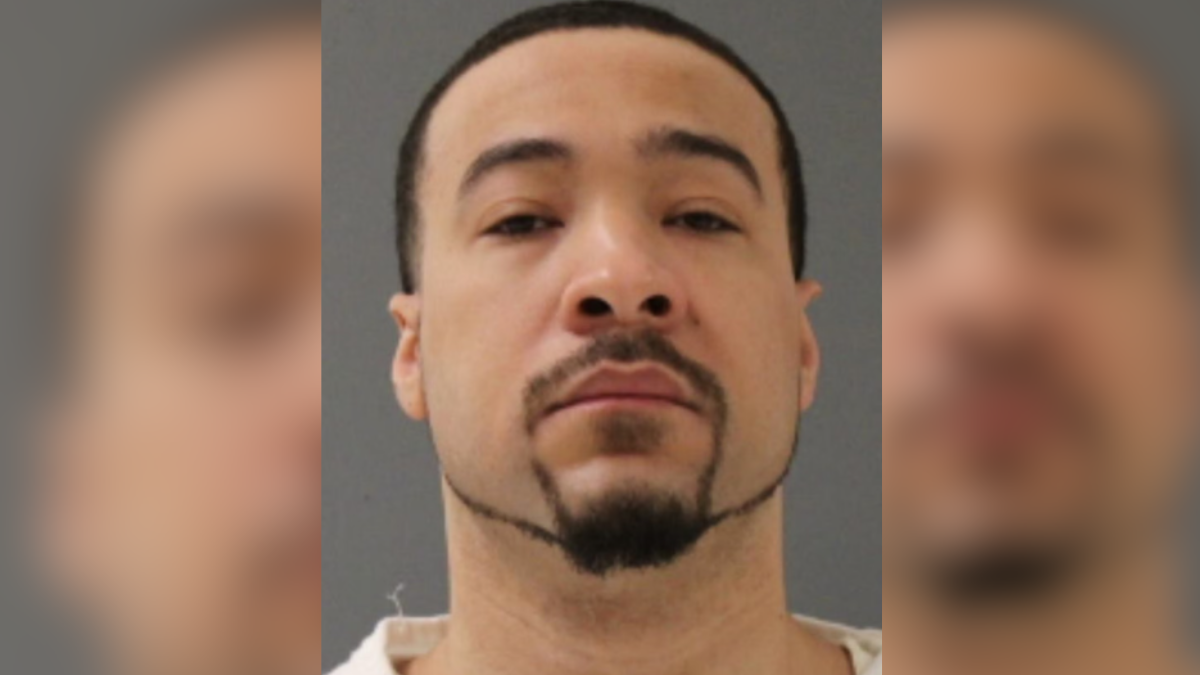

Nearly 20 years ago, two men were murdered outside a recording studio in Garland, Texas. It’s been a long search for justice, with its fair share of twists and turns — and at the center of it all was always James Broadnax. Despite a last-minute admission by his own cousin, on April 30, 2026, Broadnax is scheduled to be executed.
Broadnax is set to become the third person, and most likely the final person, to be executed by the state of Texas in 2026. The murder in question occurred in 2008 when Broadnax was just 19 years old, and he was alongside his cousin, Demarius Cummings. Broadnax allegedly came up with the plan to rob two gospel musicians, Matt Butler and Steve Swan, as they left a local studio.
Things quickly took a turn for the worse when the heist went wrong and Butler and Swan were shot. Unfortunately, people being shot as they leave their place of work is not completely out of the norm, and it can happen for a variety of reasons — none of them good. But the two men ultimately died from their gunshot wounds. Later on, Cummings even claimed to be the one who fatally shot the two musicians.
According to The Independent, Cummings made the declaration in court, saying, “I persuaded James to take the blame for shooting the two victims. In fact, I was the one who shot the two victims, not James.” He continued, “I’m really gonna tell it like it’s supposed to be told, that it was me, that I was the killer. I shot Matthew Bullard, Steve Swann.”
Broadnax’s lawyers said DNA evidence also corroborated the confession, as it was Cummings’ DNA — not Broadnax’s — that matched the murder weapon. The Texas Court of Criminal Appeals, however, considered the confession inadmissible because it was not introduced earlier as evidence.
Justice, as they say, is blind. There have been many cases determined by circumstantial court proceedings rather than what actually happened on the night of the alleged crimes. This has fueled longstanding philosophical debates, especially when figures like Diddy and O.J. Simpson managed to avoid the harshest outcomes largely because they were able to secure expensive and skilled legal representation that would not have allowed Cummings’ confession to surface too late.
Broadnax’s lawyers also argued that he was a victim of racism throughout his court case, as the jury was “all-white.” But things became more complex during his time on death row. At one point, he did an interview with CBS and confessed to the killings, saying he had “no conscience.” His lawyers, however, argued that these confessions should be dismissed due to Broadnax’s drug abuse and mental health struggles.
The families of the murdered musicians have also rejected the late-stage confession. Matthew Butler’s mother, in particular, called it a tactic by a “desperate defense team.” Broadnax himself expressed remorse to the families, saying, “I wish I could show them my soul, so they could see just how sorry I am. I am very much remorseful for everything that happened.”





Published: Apr 30, 2026 06:10 pm