


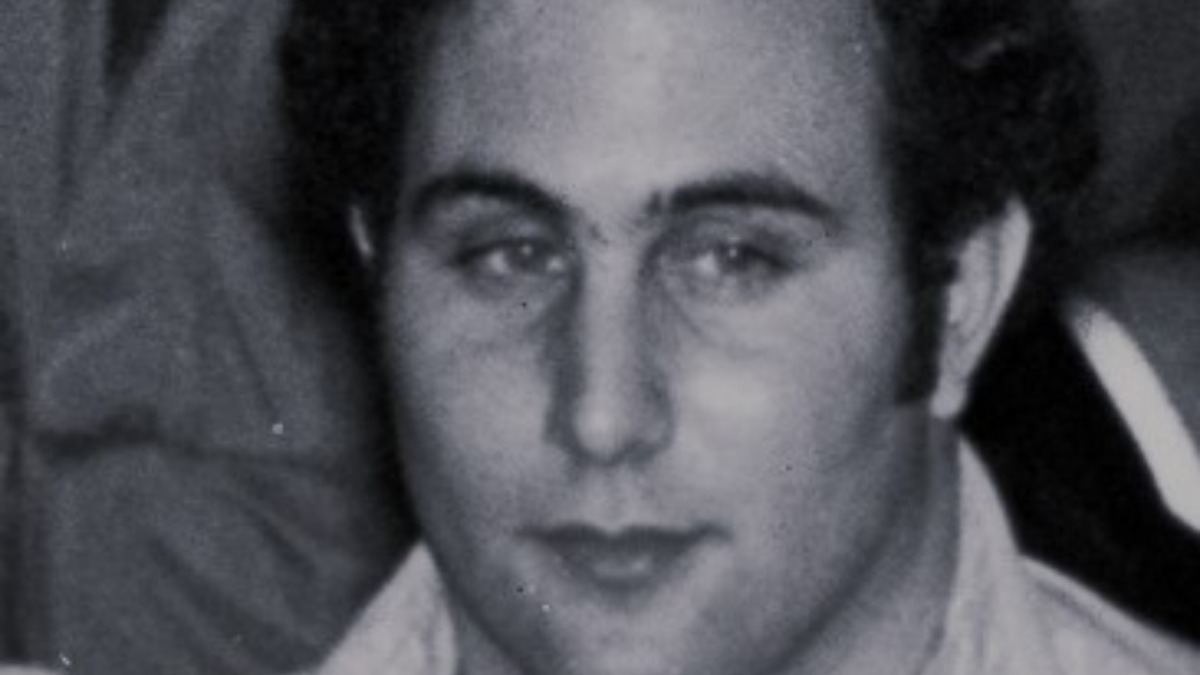

There is significant concern brewing in Albany as two new pieces of legislation move through the statehouse, potentially opening the door for some of the most notorious criminals in history to walk free in New York again. Per the NY Post, these measures have sparked intense backlash from critics who argue that the bills prioritize the release of violent offenders over the safety and justice owed to their victims.
The first of these measures, the Elder Parole bill, would allow inmates who are at least 55 years old and have served 15 years of their sentence to seek parole, regardless of how heinous their original crime might have been. The second measure, known as the Fair and Timely Parole bill, would essentially require the state parole board to release convicts unless they can prove the individual is a current danger to the public.
This shifts the focus away from the severity of the offense and puts the burden on the state to justify continued incarceration. Many families would be forced to return to the parole board every two years to fight against the release of the person who destroyed their lives. Infamous killers like David Berkowitz, the Son of Sam, and Mark David Chapman, who assassinated John Lennon, are among those who could potentially benefit from these policy changes.
It gets worse when you look at the names involved
It is difficult to wrap my head around the idea that someone responsible for such calculated violence, or someone as psychologically broken as a serial killer, could be granted a path to freedom simply because of their age. Raphael Mangual, a senior fellow at the Manhattan Institute, noted that these measures seem to be gaining traction in a political climate that has become more tolerant of such experiments.
The communications associate for Release Aging People in Prison defended both bills, saying inmates “who have taken accountability for their crimes and done the hard work of transforming their thinking and behavior” should be freed. Additionally, they cited that elderly prisoners have the highest incarceration costs.
Mangual’s response: “It really shouldn’t matter how well somebody behaves in prison. You should have behaved before you got there.” His primary argument is that age isn’t a guarantee that the prisoners won’t commit the crime again, which has been the primary argument of the proponents of this bill.
The personal toll this takes on victims’ families is immeasurable. Michael Pravia, whose brother Kevin was murdered in 2008, expressed deep frustration over the possibility that his brother’s killer, Jeromie Cancel, could be released. Pravia described the killer as a sociopath who even bragged about his crimes.
Hearing such stories makes it clear that for the people left behind, these legislative changes are not just abstract policy debates. They represent a recurring cycle of trauma. Patrick Hendry, president of the Police Benevolent Association, echoed these concerns, calling the potential passage of these bills a “cruel and despicable blow to the families of our fallen heroes.”
The push for these bills isn’t happening in a vacuum. Similar debates are playing out across the country, highlighting just how contentious these parole reforms have become. According to an article by ABC10, California recently faced its own reckoning with elderly parole programs after individuals convicted of serious sex offenses were granted release.
The situation became so heated that state Sen. Roger Niello introduced a bill to exclude sex offenders from these programs, though it ultimately failed to pass. Keith Wattley, the founder of UnCommon Law, argued against restricting these programs, suggesting that the focus should instead be on evidence-based crime prevention and victim services.
Despite these arguments, the pushback in New York remains fierce. Critics like Nassau County Executive Bruce Blakeman have been vocal in their opposition, accusing current leadership of fast-tracking the release of dangerous individuals. It is a delicate balance, but when you consider the impact on the families of victims and the nature of the crimes committed by those currently serving life sentences, it is easy to see why many are pushing back so hard.
If these bills become law, the state will be entering a new era of parole policy that could fundamentally change how New York handles its most violent inmates. For now, the future of these bills remains uncertain, but the debate serves as a stark reminder of the tension between rehabilitation goals and the demand for lasting justice.








Published: May 4, 2026 10:48 am