


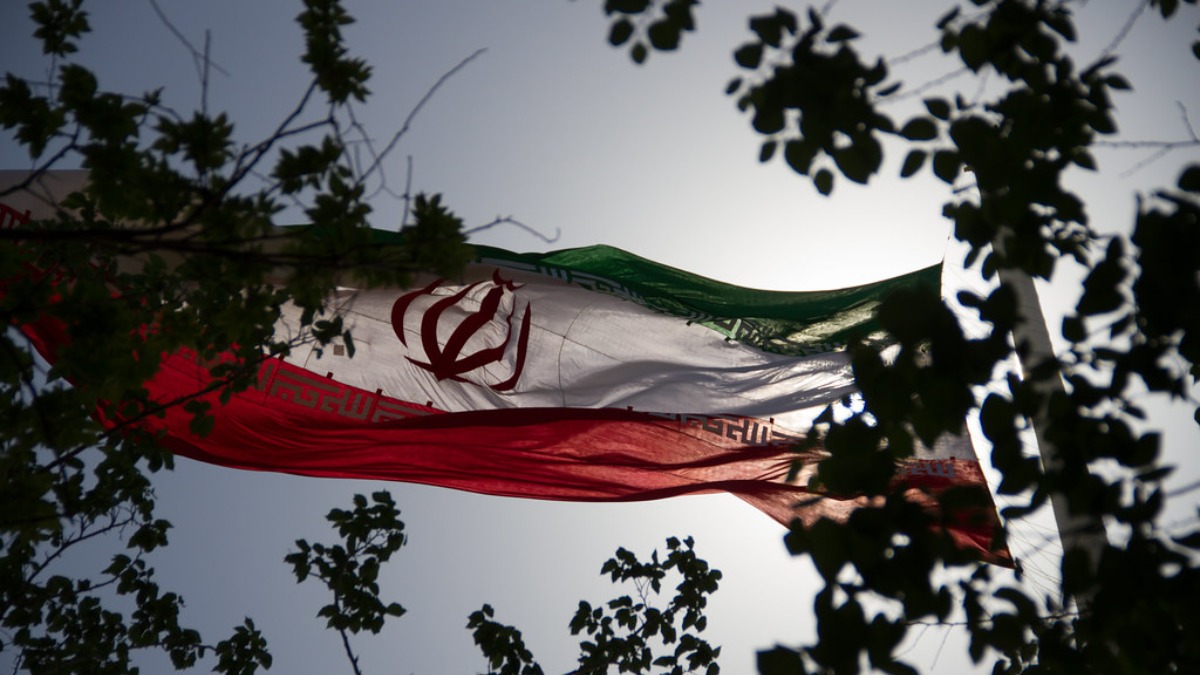

Saudi Arabia has launched a series of secret strikes on Iranian soil, marking the first time the kingdom has directly carried out military action inside Iran. The Saudi Air Force launched the strikes in late March, describing them as “tit-for-tat” retaliation for attacks carried out on Saudi territory. The specific targets were not confirmed publicly.
The strikes are part of a wider conflict that began with U.S. and Israeli airstrikes on February 28, and has since pulled in other countries across the Middle East. Iran has hit all six Gulf Cooperation Council states with missiles and drones, targeting not only U.S. military bases but also civilian sites, airports, and oil infrastructure. The 10-week war has left Saudi Arabia vulnerable to attacks that have gone past the U.S. military umbrella protecting the region.
Reuters claims that before carrying out the strikes, Saudi Arabia informed Iran in advance and then followed up with intensive diplomatic engagement, which analysts have described as a deliberate effort to de-escalate.
Saudi Arabia and the UAE have taken very different approaches to striking Iran, and the contrast says a lot about where each country stands
This approach has been seen as a sign that both sides are willing to set limits on the conflict before it grows into a much larger regional war. Saudi Arabia has also stayed in regular contact with Iran throughout the conflict, including through Tehran’s ambassador based in Riyadh.
The United Arab Emirates has also carried out military strikes on Iran, according to a report by the Wall Street Journal. Unlike Saudi Arabia, the UAE has taken a much harder line, seeking to extract a cost from Iran and rarely engaging in public diplomacy with Tehran.
Iran has focused much of its war messaging on the UAE, and Iranian authorities have warned of stronger strikes against the country if the U.S. and Israel resume their attacks.
The UAE has repeatedly condemned Iranian attacks and said it reserves the right to respond, including through military means. The country has also terminated visas for Iranians who had been living there for years and shut down Iranian businesses, trade routes, currency exchange networks, and institutions.
Reports have also emerged of Americans in the UAE pleading for evacuation as the situation on the ground worsens. The UAE said its foreign relations and defense partnerships are a “purely sovereign matter,” and accused Tehran of trying to mislead the international community by claiming that Arab countries are allowing their territory and airspace to be used to attack Iran.
These moves have had serious consequences for Iran. The country had long relied on Emirati ports to bring in imports from third markets, including China. With those routes now cut off, Iranian authorities have been trying to replace lost sea routes with land routes through Pakistan, Iraq, Turkey, and other neighboring countries.
Iran has also long been suspicious of the UAE because of its close ties to both the U.S. and Israel. The UAE’s murky security dealings have also drawn attention, including a case involving a former special forces operative running a UAE assassination program out of a San Diego mansion.
The UAE’s decision to join the Abraham Accords – a peace deal brokered by the U.S. to normalize relations with Israel – has been seen as a key reason why Iran has chosen to target the Gulf country. Iran has condemned the agreement as a betrayal of the Arab world.
The two countries also have a long-standing territorial dispute. The UAE and Iran have been at odds over the islands of Greater Tunb, Lesser Tunb, and Abu Musa, which Iran has controlled since 1971. The UAE considers these islands its own territory, and the dispute is seen as important because whoever controls them has significant influence over the Strait of Hormuz, a critical waterway for global oil shipments.








Published: May 13, 2026 11:19 am