




Kansas City, Missouri, is currently at the center of a debate as officials prepare to deploy AI-powered facial recognition software on a portion of the city’s public bus fleet. According to Associated Press, the project aims to identify missing persons and individuals on a list of banned riders. Still, there are questions about the balance between public safety and personal privacy, with the state refusing to fund the project because of the facial recognition component.
Tyler Means, the chief mobility and strategy officer at the Kansas City Transportation Authority, acknowledged the complexity of the situation to AP News. “Privacy is always a tricky thing,” Means said. “We’ve always had cameras on our buses. It’s just new technology. I think in time it’ll smooth over and people will realize, ‘Well, it didn’t really feel any different.’”
Knoxville, Tennessee-based SafeSpace Global is the company reportedly offering the service. They explained, “It’s not sitting there filming all the time. It just captures the face and goes away.” AP stated that if the cameras detect a match against an active alert list, the system flags it, but if no match is found, the facial data is not retained. Regular video footage is archived on a local server for up to five years once the buses return to the depot.
The project is being put into play through city and federal funding
Despite these assurances, AP News notes that privacy advocates remain deeply skeptical of the technology. Jay Stanley, a senior policy analyst for the Project on Speech, Privacy and Technology at the American Civil Liberties Union, highlighted the historical significance of this shift.
“The idea of running face recognition on a camera that is pointed on live spaces in public is a line that until recently has never really been crossed in the last 25 years,” Stanley said. He also warned that once such a system is in place, it is difficult to prevent its scope from expanding beyond its original, narrow purpose.
The concerns regarding this type of surveillance are not new, and reports throughout history provide several examples of cities attempting to navigate the ethical pitfalls of facial recognition. Following the 9/11 attacks, AP reported that police in Tampa, Florida, attempted to use facial recognition in the Ybor City neighborhood to find suspects.
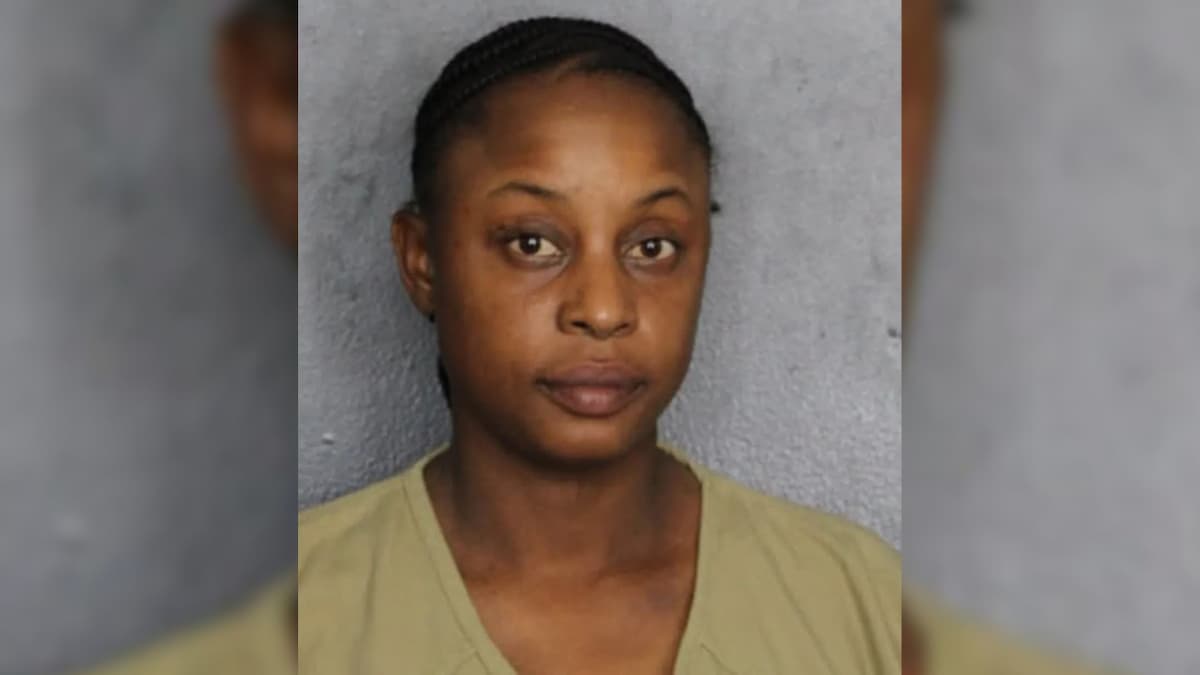
The program was quickly abandoned due to immediate public opposition and a lack of effective results. Additionally, recently. Florida police was sued by someone they arrested, who claims that facial recognition did a false match with the suspect.
In a more recent case, the American Civil Liberties Union has raised alarms about a program in New Orleans. Police allegedly continue to use facial recognition through a private organization called Project NOLA, despite a city ordinance that prohibits the technology.
Reports indicate that this system allowed for real-time monitoring and the potential for retroactive tracking of individuals. The American Civil Liberties Union argues that this is an unacceptable circumvention of democratic oversight. This debate came into play when discussing accountability for ICE, too. Democrats were concerned that body cameras, which were necessary tools for transparency, could also be used for surveillance.
Furthermore, AP News highlighted that the implementation of such technology has previously led to legal consequences in other major cities. In 2016, Detroit partnered with private businesses to install high-definition cameras for police use.
An investigation by the New York Times revealed that the footage was paired with facial recognition software, leading to arrests that resulted in lawsuits from individuals who claimed they were wrongly targeted by the faulty technology. While former police chief James Craig defended the use of the technology as a valuable tool for securing streets, he noted that officials had to adjust their policies following the public backlash.
Back in Kansas City, the rollout of the cameras was originally scheduled for this spring but was paused just before the launch. The delay was attributed to the need for Wi-Fi router upgrades and the loss of state funding. Ryana Parks-Shaw, a City Council member and mayor pro tem, emphasized the importance of a cautious approach to AP.
“I think they need to take their time and do it right,” Parks-Shaw said. “I believe that any use of this kind of technology must be approached carefully, transparently and with clear guardrails.”






Published: Jun 19, 2026 01:34 pm