


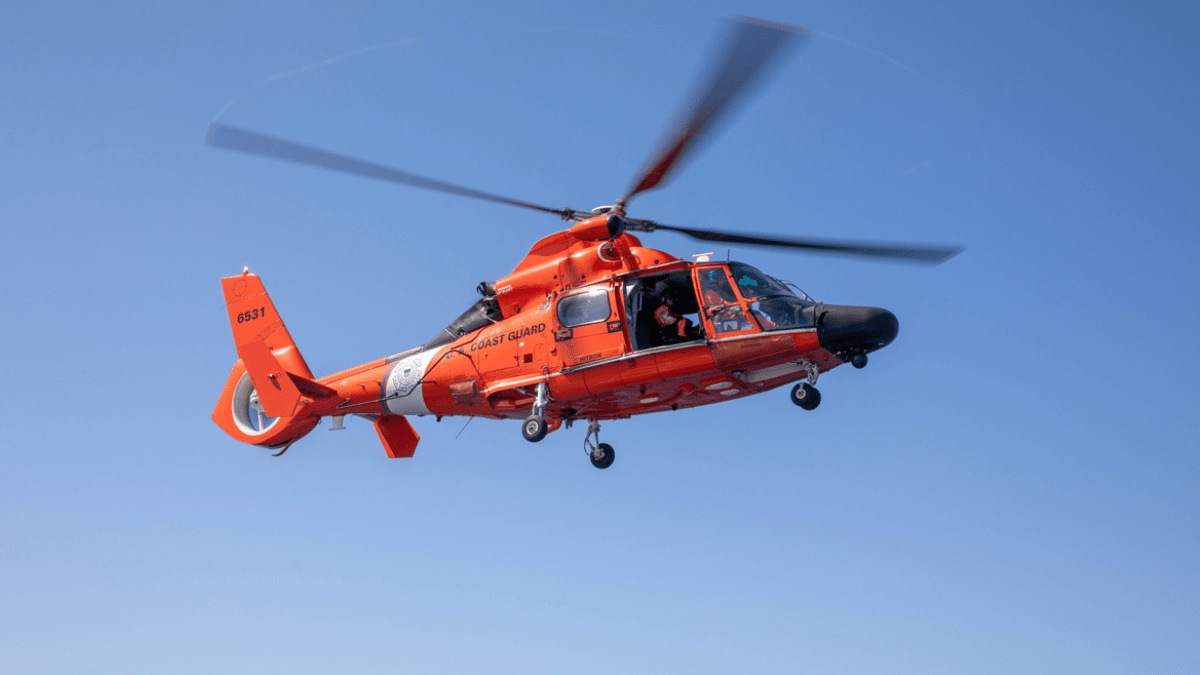

A page on Twitter (officially known as X) has revived one of the internet’s most enduring viral stories. The account “Out of Context Human Race” reposted a video showing a mountain rescue stretcher spinning uncontrollably while being hoisted by a Phoenix police helicopter. The post also added an important piece of context: the woman inside the stretcher reportedly never wanted to be airlifted in the first place and later received $450,000 in a settlement after suing the city.
On June 4, 2019, Katalin Metro was hiking on Piestewa Peak in Phoenix with her husband when she unexpectedly tripped and fell. The then-74-year-old suffered a broken nose, bruises to her leg and hand, and damage to her eyeglasses. According to NBC, the Phoenix Fire Department decided to use a helicopter because of the steep and rugged terrain surrounding Piestewa Peak.
That time a grandma broke her nose while hiking and didn't want the helivac, but ended up winning a $450,000 lawsuit pic.twitter.com/clIxMlSxnV
— Out of Context Human Race (@NoContextHumans) June 26, 2026
The Phoenix City Council settled
However, the way rescuers secured the stretcher ultimately failed. According to investigators, the tag line attached to Metro’s stretcher became affected by the helicopter’s rotor wash. Helicopter rotors typically spin at roughly 150 to 170 revolutions per minute, generating powerful air currents beneath the aircraft. Those forces caused Metro’s stretcher to rotate violently because it had not been properly stabilized.
According to AirMed & Rescue, Metro subsequently filed a $2 million notice of claim against the city of Phoenix before later pursuing a civil lawsuit in Maricopa County Superior Court. In her claim, she stated that she suffered swollen eyes, injuries to her external auditory canals, and extensive swelling to her skull. Court documents also showed that her medical expenses eventually exceeded $290,000.
In December 2021, the Phoenix City Council unanimously approved a $450,000 settlement for Metro. The decision was viewed not only as a compassionate response but also as a practical legal choice. Metro’s attorney, K. Thomas Slack, argued that his client was not in need of an emergency helicopter evacuation and had specifically requested not to be airlifted from the mountain. Under those circumstances, the city’s chances of successfully defending the case appeared limited.
According to Fox 13, Metro later required surgery for a spinal cord injury and underwent extensive rehabilitation at St. Joseph’s Hospital. In the years since the incident, both Metro and her husband, George, have largely stayed out of the public eye despite the footage repeatedly resurfacing online every few years.
She thought she lost her eyesight
Whenever aviation experts revisit the incident, many people are reminded just how serious the situation actually was. Vita Aerospace estimated that Metro may have experienced forces approaching 20 Gs while the stretcher was spinning. For comparison, Formula One drivers typically experience around 5 to 6 Gs during the most demanding turns. Even highly trained drivers can become physically exhausted under those conditions. Recalling the ordeal, Metro said, “I knew I was bloating, and it came to my eyes and my eyes shut. I couldn’t open them and I could feel swelling…I knew I wasn’t dying because I could still feel pain, but I thought I lost my eyesight.”
Furthermore, Metro’s case helped draw international attention to helicopter hoist safety procedures, contributing to discussions within the rescue aviation industry about stricter stabilization techniques and safer hoist protocols.






Published: Jun 27, 2026 10:11 am