


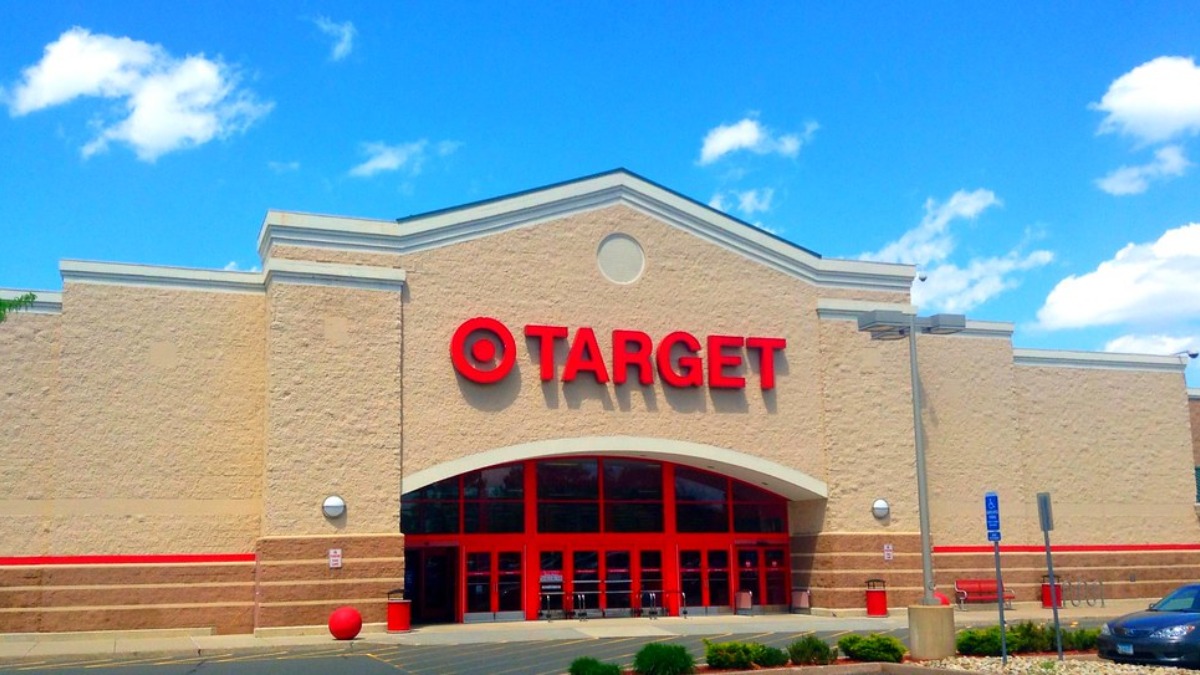

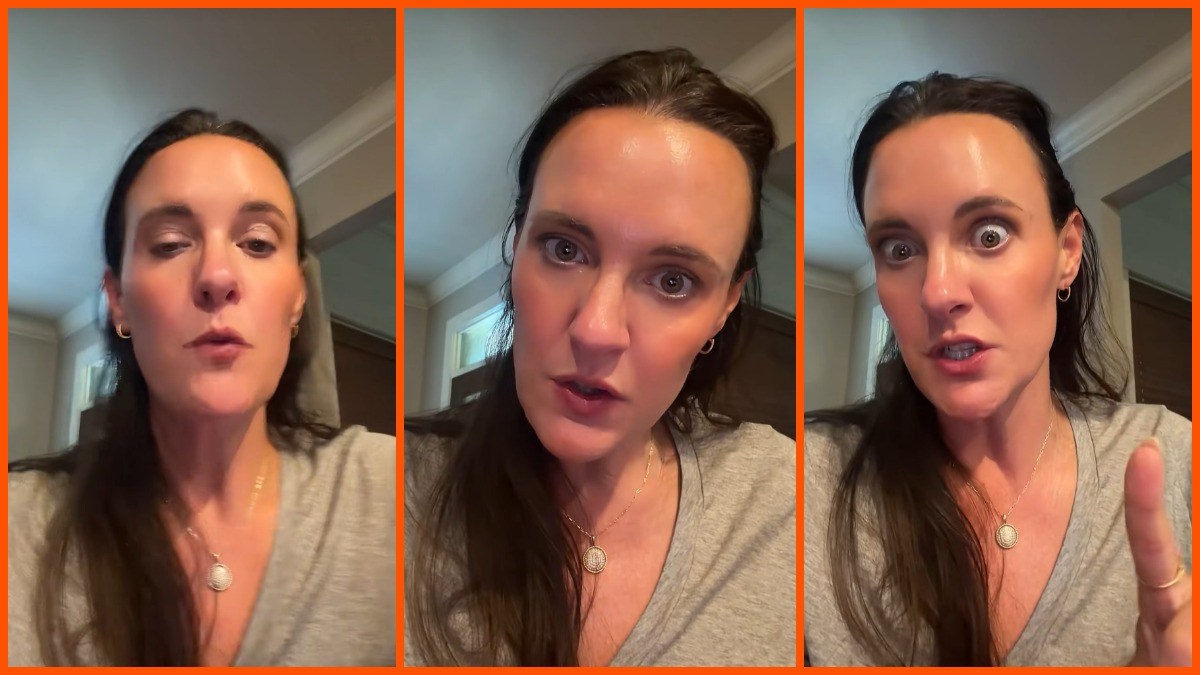
It has been a long-running conversation about how large-scale retailers have made shopping for plus-sized communities feel like a humiliating experience. A TikTok creator recently shared her experience at a Target in Australia, highlighting how limited the store’s plus-size clothing options were. While she simply described the experience as “so annoying” and questioned “this is all you can offer us,” the comment section quickly turned it into a much larger debate.
First, the context behind the post is important. The creator, who goes by @thatfatbaddee, primarily makes content for the plus-sized community. Whether she is discussing beach outfits, fashion choices, or everyday experiences, her audience includes recent mothers, people who are working toward changing their weight, and others who have simply embraced their current size.
However, this latest post, which began with the simple line, “I just want to show you guys,” reached far beyond her usual audience. While her videos typically average around 5,000 views, the Target criticism has surpassed 220,000 views. The conversation even reached viewers in the United States, where many commenters shared their own opinions about plus-size fashion availability.
The comments were brutal
Some responses were openly critical. One user wrote, “As a former fatty, there’s a simple solution. Eat better and lose weight. I was almost a size 28… never could find clothes and thought ‘f**k this shit’ and did something about it instead of screaming ‘poor me.’”
The creator responded to many comments, but one reply summarized her overall point: “I don’t actually care whose fault it is tbh. You could be the size of 5 houses and I still wouldn’t believe you deserve to be treated less than.”
According to The Daily Dot, large retailers such as Target generally prioritize stocking items that sell quickly in physical stores. Plus-size clothing often does not meet those sales expectations, leading many companies to move those options online instead. However, that creates another challenge because finding the right fit is already complicated for many shoppers, and ordering multiple sizes online can make the process even more frustrating.
Many commenters who disagreed with shaming plus-sized customers pointed out that the issue is also a practical business decision. One person said on The Daily Dot, “It’s just business. People gain weight in vastly different ways, so it’s difficult for clothing manufacturers to make off-the-rack clothing that fits plus-sized people universally. Too many returns and unsold items. So they prefer to market to the 0-16 sizes.”
There are no simple answers to this debate.
On one hand, even if every person decided they wanted to lose weight, that process would not happen overnight. People would still need clothes for everyday life — whether that means traveling, going to the beach, attending events, working out, or simply going grocery shopping.
There’s a “tax” associated with being plus sized
At the same time, whether businesses have a responsibility to stock more inclusive sizing ultimately comes down to personal values and how people view the relationship between commerce and social responsibility.
But one point remains difficult to dispute: every person is part of society, and access to basic dignity should not depend on their clothing size.
As for the creator, she argued that even dedicated plus-size retailers have started reducing their offerings. She claimed that stores like City Chic no longer carry the same range of plus-size clothing they once did. She also views having to pay additional shipping fees for online-only options as a form of “tax” placed on plus-sized shoppers simply for trying to find clothes that fit.




Published: Jul 16, 2026 02:48 pm