


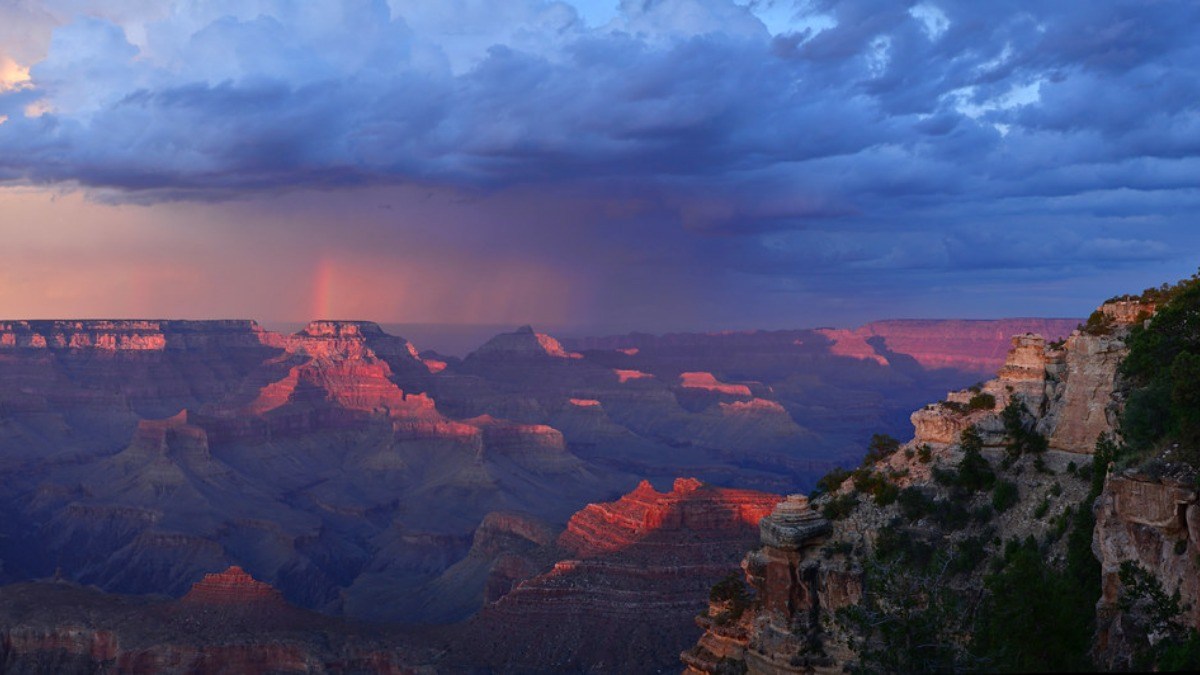

Deadly flash floods have swept through the Grand Canyon, resulting in two confirmed deaths and leaving roughly a dozen people unaccounted for as the area remains on high alert for additional rainfall. This weekend’s weather event has transformed one of the most arid and iconic landscapes in the United States into a dangerous zone of debris and rising water.
According to CNN, the body of a 46-year-old man was discovered near Crystal Rapids along the Colorado River. While that individual has been recovered, the identity of that person and the second victim have not been released yet. The National Park Service confirmed these findings in a statement on Monday, noting that “Search and recovery efforts continue following the flooding in Grand Canyon National Park.”
To aid in their search, The Washington Post reported that officials are actively seeking information. They are asking for details regarding any hikers or backpackers who were in the affected areas or anyone who held a campground reservation during the time of the floods.
A deluge that led to something worse
The flooding reportedly began Saturday afternoon, barreling through the Bright Angel Canyon and Phantom Ranch areas. Phantom Ranch is particularly isolated. It is the only lodging located beneath the rim of the canyon and is accessible only by mule, by foot, or via the Colorado River. This isn’t the only major flash flood this week. Over 3000 people are still missing after a catastrophic flash flood across Nepal.
Per CNN, the National Weather Service reported that the fourth and final wave of rain, which arrived around 2:30 PM, was the most severe. It dropped between 0.50 and 1.00 inches of rain in approximately 30 minutes.
According to the Washington Post, the situation was further compounded because high-intensity rainfall on steep, rocky, and drought-affected terrain meant that the water wasn’t absorbed into the ground and mostly ran off into the canyons and creeks below. This is the same situation that caused the flash floods in the Guadalupe River last year.
CNN reported that the National Weather Service’s Weather Prediction Center has elevated the flooding risk to a Level 3 of 4 threat for the region. Forecasters noted that “After recent heavy rain and significant flash flooding, the region is extremely vulnerable, so any additional heavy rain today will likely lead to flash flood impacts, which locally could be significant.”
Park rangers have issued warnings that further deluges could trigger more “debris flows, rockfall and changing trail and river conditions.” The resulting impact on park infrastructure is massive. Early assessments reportedly show that 40% of the Transcanyon Waterline was damaged or destroyed. This pipeline is critical, as it provides potable water and fire suppression for all facilities on the South Rim.
Consequently, all park concessions will halt overnight stays starting Monday. Additionally, for safety, CNN noted that bathroom faucets remain operational, but campgrounds spigots will be turned off in the South Rim. All wood-burning and charcoal fires are also strictly prohibited.
Evacuation efforts have been underway since the weekend. By Sunday afternoon, at least 62 people had been successfully evacuated. One Red Cross spokesperson told a CNN affiliate that a couple fleeing to their cabin witnessed the bridges they had crossed just 15 minutes earlier being swept away by the rising water.
Other hikers also shared harrowing accounts of the event. Parth Desai, who was in the Phantom Ranch area, reportedly told the Associated Press, “We saw the creek flood, waterfalls coming up out of nowhere, boulders, mud, landslides happening everywhere.” He described scrambling into a patch of cacti after a colleague warned him of a 4-foot wall of debris rushing toward them.
Per CNN, the search for the missing remains a priority for the National Park Service and the Arizona Department of Public Safety. Helicopter searches have been conducted along the North Kaibab Trail and the Colorado River, though those efforts have not yet located the missing individuals. Spokesperson Joelle Baird said that those missing were “either on a backcountry itinerary in the inner canyon or believed to be day hiking along the North Kaibab/Phantom Ranch area.”
The National Weather Service in Flagstaff, Arizona, had previously warned about the dangers of the monsoon season, which runs from June 15 to September 30. According to The Washington Post, their statement noted that “Flash flooding will be possible in creeks, normally dry washes, swimming holes, and over recently burned areas. Raging killer currents will be possible in side canyons and narrow slot canyons. Low-water crossings may be flooded.”
The current conditions have reportedly forced the closure of the Colorado River to all traffic due to dangerous debris and metal structures flowing downstream.








Published: Aug 31, 2026 07:15 pm