


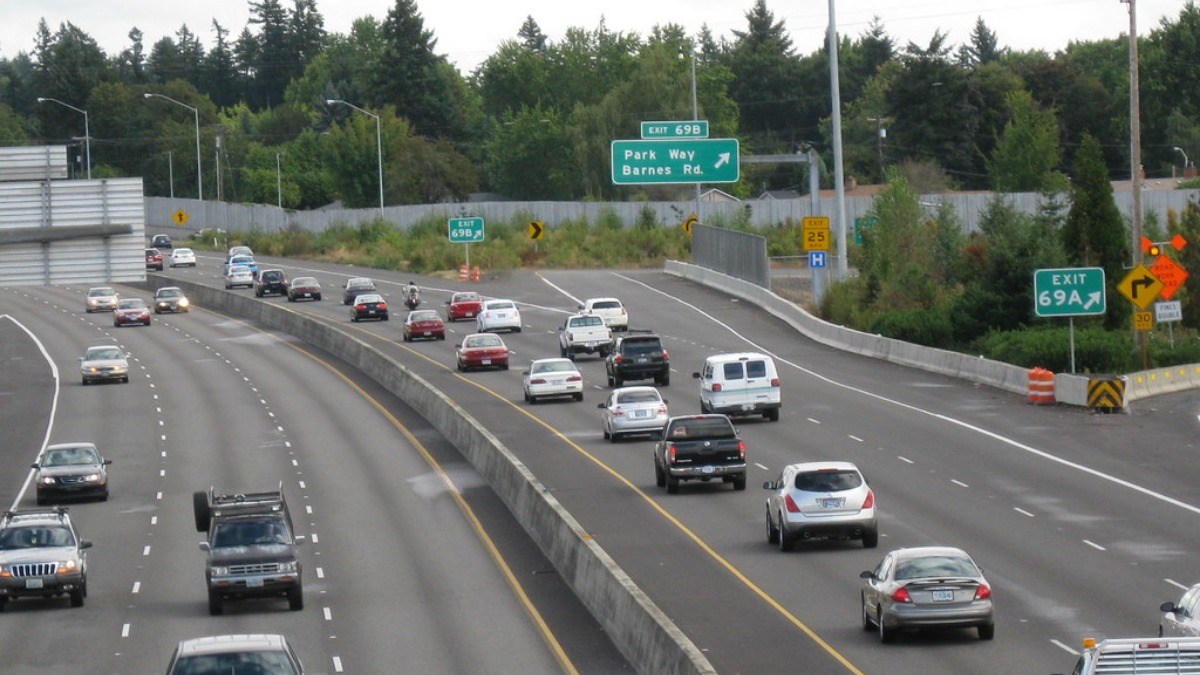

The Trump administration is preparing to unveil significantly lower vehicle fuel economy standards, marking a massive shift in how the federal government approaches automotive manufacturing, Reuters reported. Transportation Secretary Sean Duffy announced this update on Monday, confirming that the current administration plans to move away from the aggressive efficiency mandates set by the previous leadership.
This change is all about shifting the focus back to what the market actually demands. During an appearance in Michigan, Secretary Duffy explained the reasoning behind this pivot. “We are about to announce a common-sense fuel economy standard because we want Detroit to build cars that Americans want to buy — not cars that Democrats want Washington to build,” Duffy said.
While the final details are still not out, automakers are bracing for standards that align closely with a proposal released in December by the National Highway Traffic Safety Administration. This proposal targets a fleetwide average of 34.5 miles per gallon by 2031. This is a noticeable drop from the 50.4 miles per gallon target established under Joe Biden.
The Trump administration intends to prioritize consumer choice and the preferences of the automotive industry
The previous rules were designed to push the industry toward electric vehicles by requiring strict annual efficiency increases, specifically 8% for 2024 and 2025, 10% for 2026, and 2% annually from 2027 through 2031.
The new approach also includes a retroactive revision to the 2022 fuel economy standards. It allows vehicle manufacturers to gain additional compliance credits for past performance, which makes meeting future requirements much easier. By easing these burdens, the administration hopes to lower the price of new vehicles. The National Highway Traffic Safety Administration estimates that this proposal could cut the cost of a new vehicle by $930.
Of course, these changes come with tradeoffs. Analysts note that this shift could lead to an increase in fuel consumption by roughly 100 billion gallons through 2050, which would also raise fuel spending by $185 billion and increase carbon dioxide emissions by about 5%. It is a significant change in direction from the previous focus on reducing greenhouse gas emissions and positioning the United States as a global leader in clean energy technology.
The landscape for the automotive industry has evolved quickly over the last year. In 2025, Congress made several major changes, including the decision to stop collecting penalties for failing to meet fuel economy standards. This policy alone saves automakers hundreds of millions of dollars.
Congress also ended the $7,500 tax breaks for consumers who purchase electric vehicles and rescinded California’s authority to outlaw gasoline-powered vehicles by 2035. That particular move is currently facing legal challenges from the state, setting up a complex battle over the future of vehicle regulations.








Published: Sep 2, 2026 01:00 pm