


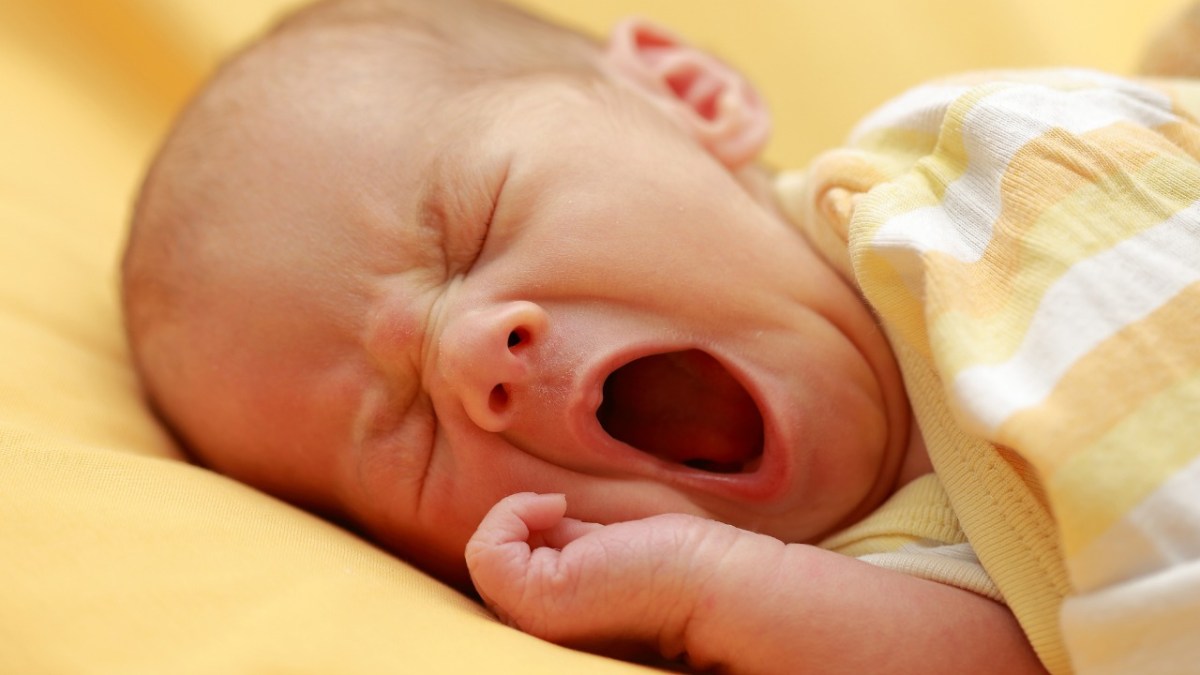

The Food and Drug Administration has notified parents of an immediate recall of a nighttime remedy intended to calm cranky babies. The recall affects bottles of Pacific Health Sciences’ Babies’ Magic Tea brand Baby Sleep Gripe Water, as a batch has been discovered to contain dangerous levels of organic alcohols not declared on the label.
More specifically, the ‘Magic Tea’ contained (as per the FDA), 8.3% ethanol, 0.35% methanol, and 0.48% isopropanol. The FDA’s approved amount of ethanol in over-the-counter products for children under 6 is just 0.5% (via the National Library of Medicine).
The recall affects lot 25122bw with a best-before date of 12/2028, and it comes packaged in small blue cardboard boxes containing 188ml amber bottles and oral syringes. Concerned parents can check the lot number on the bottom of the box and the side panel of the bottle itself.
“Known to impair normal functioning”
The FDA said: “Consumers, parents, and caregivers should stop using any product from Lot 25122bw and either discard it or return it to the place of purchase for a refund.” Thankfully, there are currently no confirmed reports of babies being injured by this tainted product.
However, just because no harm has currently been detected doesn’t mean this isn’t a serious matter, as infant exposure to organic alcohols has been linked to short-term harm and long-term developmental consequences. As the FDA says:
Organic alcohols such as ethanol, methanol, and isopropanol are known to impair normal functioning of the central nervous system, while infant ethanol exposure has been linked to long-term developmental consequences. Exposure to the amounts recommended on this product’s packaging can induce drowsiness, incoordination, behavioral changes, nausea, vomiting, and abdominal pain. Exposure to higher amounts can increase risk of respiratory depression and other serious adverse health consequences.
Those “serious adverse health consequences” could include blindness or optic nerve damage, seizures, coma, respiratory failure, and organ failure.
Methanol ingestion in particular is no joke. As methanol is cheaper than ethanol, producers of black market liquor sometimes use it to bulk up volume and increase the apparent “strength” or kick of their product. There’s been a recent history of tourists being left blinded, or even dead, in Laos and Cambodia after drinking cheap cocktails or free shots tainted with methanol, so it’s something you absolutely do not want to give a baby.
If you feel you or your infant are affected, the FDA urges you to contact manufacturer Pacific Health Sciences at 310-457-1775, or report any adverse reactions to the FDA MedWatch Adverse Event Reporting program online at www.fda.gov/medwatch/report.htm.





Published: Oct 12, 2026 05:39 am