


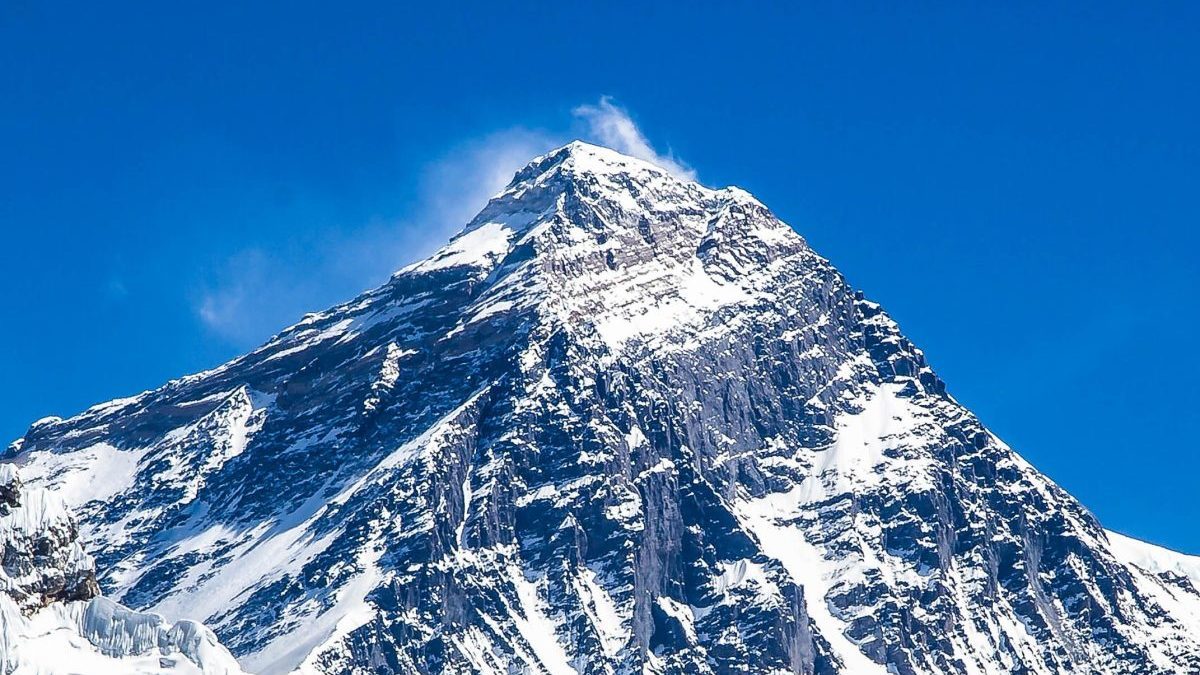

Plenty of humans have tried to conquer Everest. However, human activity on the mountain is estimated to have melted almost 2,500 tons of ice a year, with a major factor being the urine produced by mountaineers during the Spring season.
A study at the base camp reported that the thousands of people who arrive every year may be having a larger effect on the environment around them than previously thought. The study was conducted by an international team that observed the Khumbu Glacier at the base camp on the Nepalese side of Mt. Everest, with the findings being published in the Regional Environmental Change journal (as per The Independent).
Over the 50-day Spring period, the camp sees thousands of people passing through, including mountaineers, guides, and support staff, and the location becomes a miniature hub of human activity. Roughly 1,600 tents pop up in the area, and with them come the luxuries of the regular world, including cafes, TVs, hot showers, high-speed internet, and even heated tent floors.
The study found that, over the Spring period of 2023, the camp produced a great deal of heat from 824 canisters of liquefied petroleum gas, 18,935 liters of kerosene, and 5,130 liters of petrol, which campers were apparently using for cooking, heating, and power.
Heat from human urine was also accounted for when estimating the total energy output. The study found the camp’s output to be around 849,174 megajoules, enough to melt roughly 2,492 tons of ice.
Human urine was a big factor
Naturally, the main factor in producing heat was the fuel being burned, but the heat from human urine turned out to be a significant source of heat too, with it being estimated that climbers and their guides produce around 6,000 liters a day due to how much water they have to drink to stay hydrated.
Unlike solid waste, which is carried back down Everest, urine is discharged straight onto the glacier, and researchers estimated that, with the amount discharged every day, urine alone could melt approximately 154 tons of ice during the Spring season.
The surface temperature of the camp was also found to have risen around 0.28 degrees Celsius per year, about twice the rate of surrounding glaciers. While climate change is likely to be the main factor in the rising temperatures at the base camp, the researchers argue that their study may be proof that the concentrated grouping of people in the area is also having an effect on the temperature. They have suggested relocating the camp “to a stable nearby area” instead.








Published: Sep 5, 2026 11:10 am