


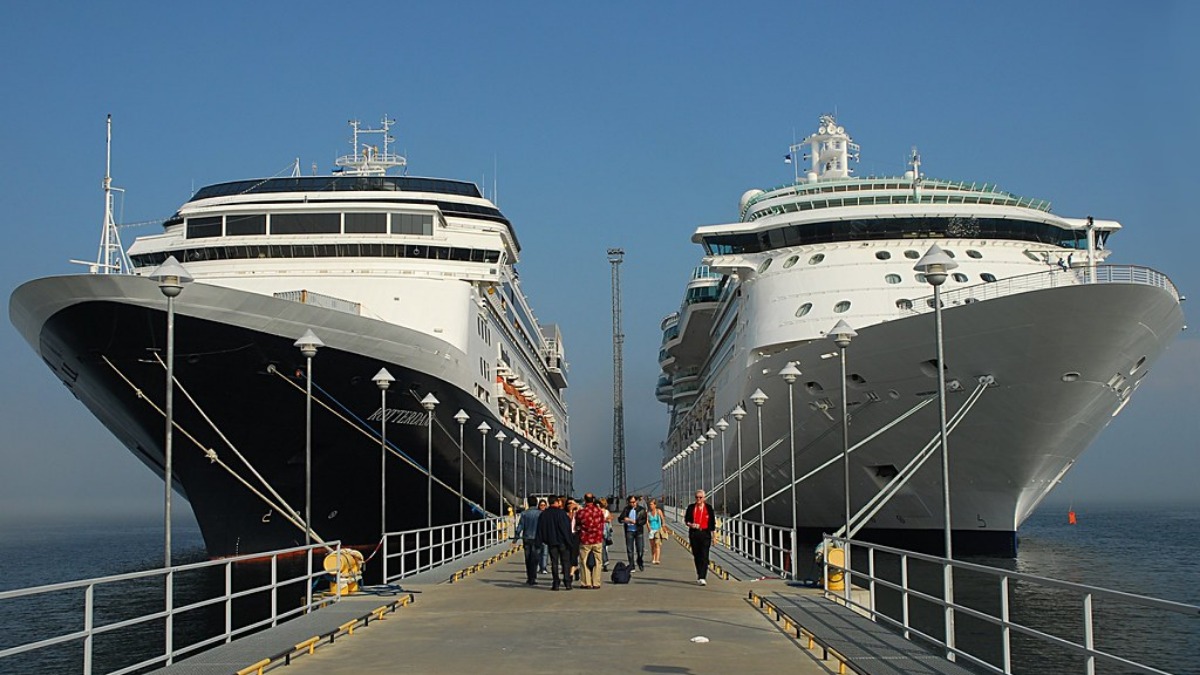

A suspected norovirus outbreak has led to the lockdown of an Ambassador Cruise Line ship in Bordeaux, France, with approximately 50 passengers showing symptoms of the highly contagious infection. According to PEOPLE, the ship arrived in port on Tuesday, May 12, with more than 1,700 passengers and crew members on board. Since the symptoms were identified, everyone on the vessel has been confined to the ship to prevent further spread.
The situation is currently being managed by health authorities, including ARS Nouvelle-Aquitaine, which confirmed that a medical team has been dispatched. Their goal is to collect samples to confirm the exact pathogen and assess the overall transmission risk. Until then, officials have recommended that everyone on board remain isolated and limit their interactions with the port.
The ship had previously made stops in the Shetland Islands, Belfast, Liverpool, and Brest before reaching its current location. There was a separate incident on the ship involving the death of a 92-year-old British man due to cardiac arrest. A government spokesperson addressed the timing of this event, stating, “At this stage, no link has been established with the gastroenteritis outbreak.”
Noroviruses are also, thankfully, fairly common
It is interesting to note that health agencies are actively working to separate this current maritime health scare from the ongoing concerns regarding hantavirus. ARS Nouvelle-Aquitaine explicitly stated, “There is no reason to link this outbreak on board a cruise ship from Belfast and Liverpool with the hantavirus cases detected on the MV Hondius.” This distinction is important because the MV Hondius hantavirus outbreak has been a global concern lately.
The Conversation notes that the hantavirus outbreak on the MV Hondius has resulted in 11 infections and three deaths. This particular strain, the Andes virus, is notable because it is the only hantavirus known to spread between humans through close contact. It’s also been on everyone’s radar because of a random connection with The Simpsons.
The situation on the MV Hondius has served as a stark reminder of how interconnected our health systems are with the ecosystems we visit. As travel to remote or isolated environments becomes more popular, the risk of encountering these kinds of pathogens seems to be increasing. Patient Zero in this case is suspected to have picked up the virus in a landfill.
Experts often refer to cruise ships as floating petri dishes because of their shared dining areas, recirculated air, and confined cabins. This design is exactly where a virus can find the runway it needs to spread. In the case of the MV Hondius, the timeline of the response revealed some weaknesses in how international health regulations are enforced.
There was a gap of three weeks between the first death on April 11 and the identification of hantavirus on May 2, during which time the ship continued its route. The World Health Organization’s 2016 handbook for managing such events suggests an all-hazards approach when a cause cannot be identified, but it appears that guidance was not applied in this instance.
The broader context of these outbreaks relates to the One Health framework, which views human, animal, and environmental health as a single, interconnected system. Hantaviruses circulate in animal populations, and human encroachment into these natural habitats creates opportunities for potential spillover. Whether it is deforestation, climate change, or simply the expansion of travel into fragile ecosystems, the opportunities for old pathogens to interact with humans are rising.
For now, the passengers on the Ambassador Cruise Line ship remain under observation. Health officials have emphasized that the measures taken are temporary and will be reassessed as more information becomes available. “These measures are temporary, proportionate and continuously reassessed,” the agency said. “A further update will be provided as soon as the results of the investigations clarify the evolving situation. These are expected later today.”
While the norovirus is a common and usually manageable infection, it can be severe for older individuals or those with other health conditions. The Mayo Clinic notes, “Norovirus infection can cause severe vomiting and diarrhea that start suddenly.”
It is a good reminder of why sanitation and isolation are so critical when these outbreaks occur on the high seas.








Published: May 15, 2026 08:40 am