


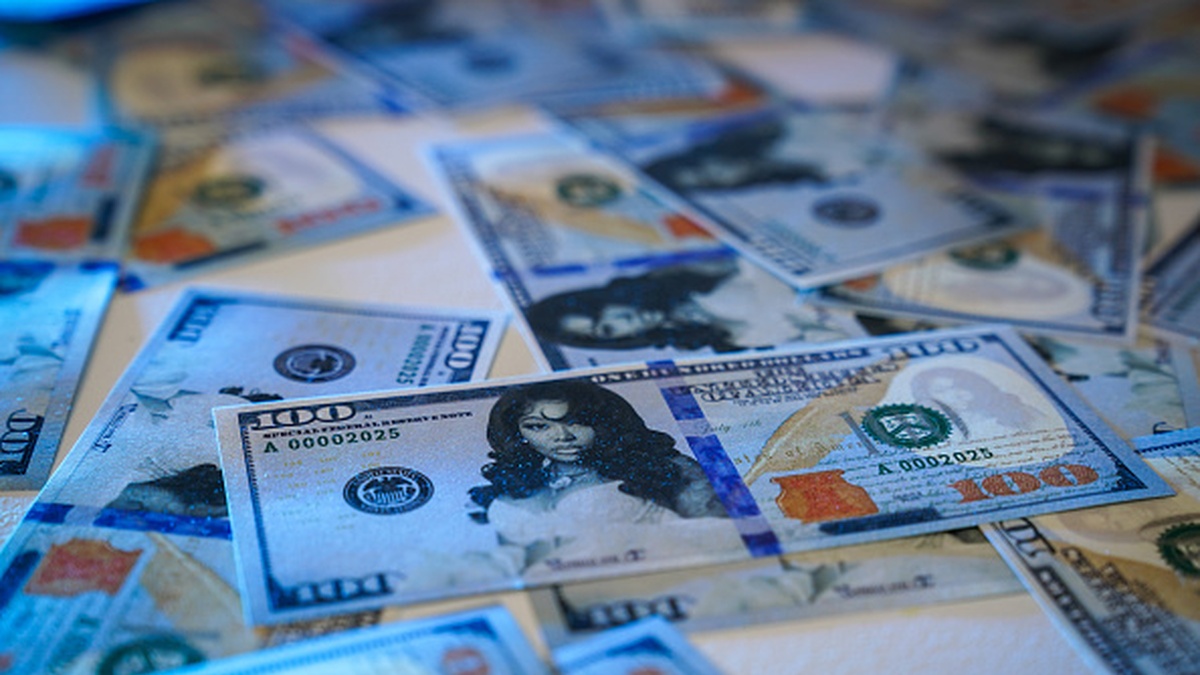

The Marshall Islands just started a national universal basic income program that gives every citizen around $200 every three months. Experts say this is the first program of its kind launched at a national level anywhere in the world. What makes it special is that citizens can choose to receive their money as cryptocurrency through a digital wallet.
According to The Guardian, every resident citizen gets about $200 US dollars each quarter, which adds up to roughly $800 per year. The country’s finance minister, David Paul, explained that the payments work as a “social safety net” and help boost morale as the Pacific island nation deals with rising costs of living and people moving away from the islands.
Citizens can pick how they want to receive their money. They can choose traditional options like a paper check or direct bank deposit, or they can get the payment as a stablecoin through a government-backed digital wallet on the blockchain. “We the government want to make sure no one is left behind,” Paul said. “$200 per person per quarter, which is about $800 a year, does not compel you to quit your job … but it’s actually like a morale booster for people.”
The blockchain option solves a real problem for scattered islands
The Marshall Islands sits between Hawaii and Australia and consists of hundreds of remote islands spread across the ocean. Getting money to people across all these islands is very difficult using normal banking methods. Paul said the government “saw the opportunity in what the blockchain has to offer” and decided to use digital delivery to make transfers easier, especially for people living in outer areas where regular banks don’t operate well.
The program uses a stablecoin, which is a digital currency directly linked to the US dollar. Dr. Monique Taylor, who teaches world politics, thinks this approach offers real benefits for small island nations dealing with these kinds of distance problems. Unlike how states rank in education systems, which varies widely across different regions, this payment system aims to create equal access for all citizens regardless of location.
Payments began in late November, and early responses have been positive. Anelie Sarana, who manages finances for the program, said her team spent a year traveling to the most remote islands to sign people up.
She noticed people spent the $200 right away on basic needs like food and essentials. Some used it to pay for Gospel Day holiday celebrations, which happened at the same time as the first payment. Sarana said she knows people are happy because “you can see in the streets, there’s so much traffic, it’s like there’s a big something happening.”
The program is paid for by a trust fund created through an agreement with the United States. This deal helps compensate the Marshall Islands for decades of American nuclear testing. The fund holds over $1.3 billion in assets, and the US has promised another $500 million through 2027.
However, the program faces significant challenges. Dr. Huy Pham, a professor at RMIT University, warned that digital payments alone don’t solve financial inclusion without reliable internet and widespread smartphone access: both lacking in the Marshall Islands.
Currently, only 12 people have adopted the digital wallet, with most payments still going to bank accounts or paper checks. Despite these obstacles, the government’s determination mirrors other bold economic initiatives that defied predictions, much like China’s thriving economy despite external pressures.







Published: Dec 18, 2025 03:23 pm