


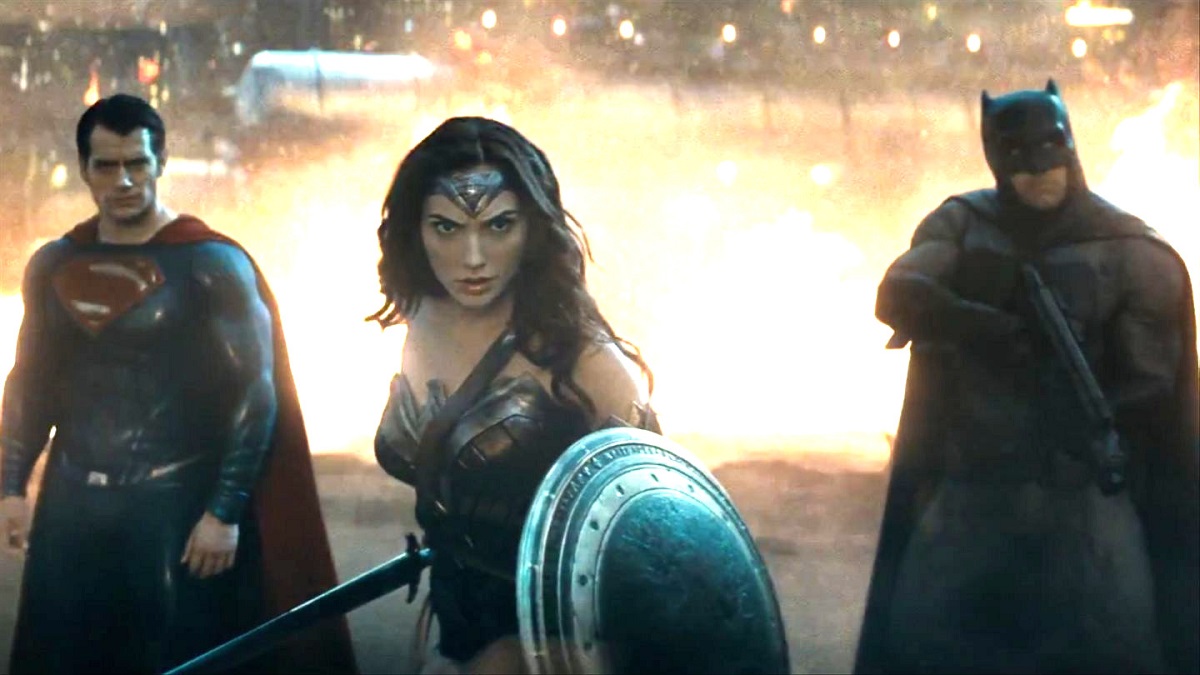

When is a cinematic universe not a cinematic universe? Based on the case of how often the concept of a shared mythology has been stopped, started, dropped, and picked up again, the answer is when it’s Warner Bros.’ DCEU.
Zack Snyder tied Man of Steel, Batman v Superman: Dawn of Justice, and Justice League together, even if it took him years to finally deliver his own take on the latter. In between, Wonder Woman was a prequel that told its own standalone story but featured a couple of tangential connections, David Ayer’s Suicide Squad has all but been abandoned as canon, Aquaman didn’t pay much heed to what happened outside of Atlantis, and Shazam! turned a fanboy into a superhero.
Since then, we’ve seen Joker and The Batman stand on their own two feet, but are things about to start tying together again? Black Adam and Shazam! Fury of the Gods will surely lead to a showdown between the two title heroes, The Flash and Batgirl are both part of the original DCEU timeline, and Blue Beetle is expected to follow suit.
However, DCEU diehards over on Reddit have been wondering whether or not there’s any point in continuing down the path of connective tissue, given everything that’s unfolded onscreen, offscreen, and behind the scenes over the last decade.


Excellent points are being made, but Marvel Studios set the template for a reason, and it’s one that every other outfit in Hollywood has been desperate to read from. A recurring notion brought up is that the MCU was built from perceived B-tier characters like Iron Man, Thor, the Guardians of the Galaxy, and Ant-Man, who general audiences didn’t have much investment in, which allowed Kevin Feige to shape them however he wanted in the eyes of the moviegoing public.
On the other hand, the DCEU threw the Trinity into its second-ever feature, which split opinion and failed to meet expectations in the eyes of many. It’s an intriguing debate, but one that’s very unlikely to reach a unanimous consensus.




Published: Jul 11, 2022 02:23 am