


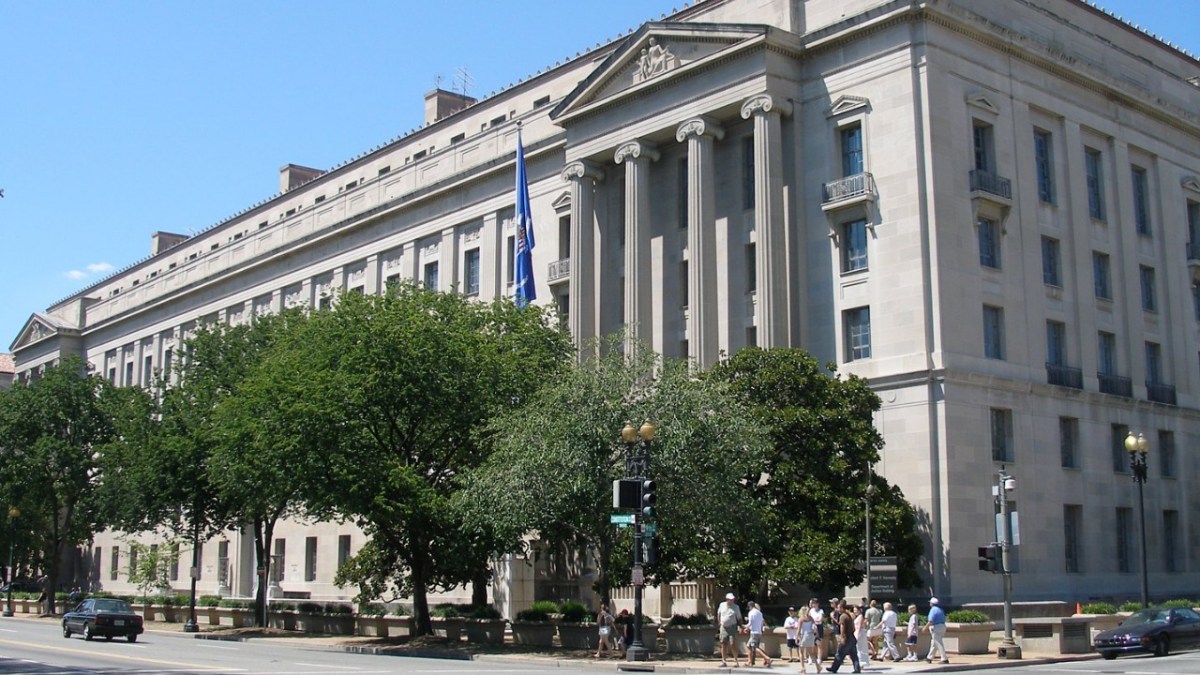

The Department of Justice has officially signaled a major shift in how it handles immigration detention lawsuits in the Western District of Washington. Acting U.S. Attorney Charles Floyd sent a letter in late October to Chief U.S. District Judge David S. Estudillo, stating that the government will stop defending Immigration and Customs Enforcement in a large portion of these courtroom battles, as per Law and Crime‘s report.
This move comes as the office struggles to keep up with a massive surge in habeas corpus petitions that have flooded the district dockets since the summer. The court previously put a specialized process in place to help speed up how these cases are handled, and while the Department of Justice admits this has helped with uniformity, it has also led to a continuous increase in the number of petitions. According to the letter, the government is dealing with dozens of these filings every single week.
The Department of Justice claims that the current workload has negatively impacted its ability to handle other civil litigation cases. Attorneys are spending a significant amount of time on these immigration matters, including preparing status reports, supplemental briefing, and fighting motions related to the Equal Access to Justice Act. The letter notes that the office is also frequently responding to orders from the court that stem from technical violations of the scheduling process.
Because of these resource constraints, the office says it can no longer guarantee legal representation for ICE or its agents
The letter is quite blunt about the situation, stating, “The [U.S. Attorney’s Office] unfortunately does not have the available resources, at this juncture, to continue entering [DOJ] appearances in every one of the dozens of §2241 Immigration Petitions filed each week.”
There are a few important details to keep in mind regarding how this will actually play out in court. The Department of Justice is not completely walking away from the table. The office intends to keep reviewing new petitions and scheduling orders as they arrive. They will also keep sending those orders to the relevant contacts at ICE. The department also reserves the right to jump back into a case if it determines that its involvement is necessary.
However, the new process sets a very specific timeline for the court to follow. If the Department of Justice does not file a notice of appearance within seven court days, the court can move forward and rule on the merits of the petition without the government providing a defense. This means the government will not be responsible for helping move the case along or serving as a middleman between the court and the respondents.
This change is expected to significantly streamline and expedite the resolution of most habeas petitions, providing more discretion to the District Court. The decision currently impacts the Western District of Washington, an area that covers more than 6 million people and includes cities like Tacoma and Olympia.








Published: Nov 15, 2026 08:00 am