



A nationwide ground stop issued by the FAA recently caused chaos across American airspace, with departures grounded at airports all over the country. Commercial passengers, sports teams, and vacationers were all left stranded.
According to the Associated Press, the emergency restriction took effect at 3:54 p.m. Eastern Time after the Federal Aviation Command Center issued an urgent advisory citing “extraordinary circumstances and for reasons of safety” following critical communication instability across regional Air Route Traffic Control Centers.
The technical failure was traced to faulty routers and switches, which were thought to have originated at Chicago Midway International Airport and then propagated through the network. Over 3,500 aircraft were in the air when the order was issued. ATC and pilots went about their business as normal, using the usual safety procedures to bring the aircraft down safely. By 8 p.m., there were fewer than 400 aircraft still in the air.
It’s the longest nationwide grounding of U.S. airspace since 9/11
The four-hour shutdown was the longest nationwide grounding of U.S. airspace since 9/11. It was also the first nationwide shutdown since the computer outage in January 2023. Over 6,600 flights were canceled and more than 8,600 delayed at the major U.S. hubs (Chicago O’Hare, JFK, and LAX). The effect was felt right across the board, with international carriers operating in Canada, Mexico, and Europe affected as well.
The major sports leagues were also affected, with NBA, NHL, and college football teams all set to play games over the weekend facing cancellations. The Saturday college football game between No. 19 Mississippi and Oklahoma was also called off.
Speaking to reporters during the crisis, DHS Secretary Markwayne Mullin stated that there was no sign of a cyberattack or any other malicious activity. He said it was a technical telecommunications failure.
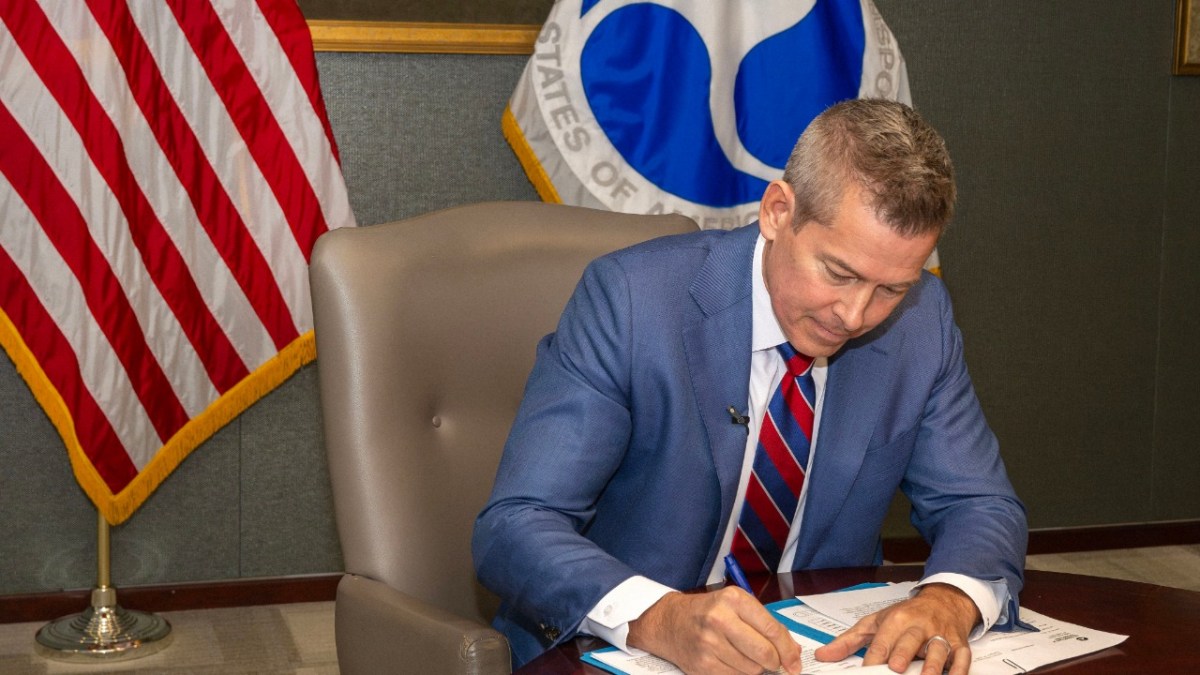
Transportation Secretary Sean Duffy pointed to the decades-old infrastructure as the problem. He said the outage had nothing to do with the FAA’s new AI-enhanced air traffic system. He also called on Congress to approve an additional $30 billion to modernize the country’s aging aviation infrastructure.
The ground stop was lifted four hours later
The ground stop was lifted at 8:15 p.m. ET that day after the FAA had tested its comms networks. Getting back to normal operations was, however, expected to take a lot longer. Transport officials and airline representatives were warning that it would take days to clear the backlog of displaced crews, aircraft, and stranded passengers.
The major carriers (United, Delta, American, and Southwest) all worked through the night to progressively get their schedules back to normal.









Published: Nov 14, 2026 09:45 am