


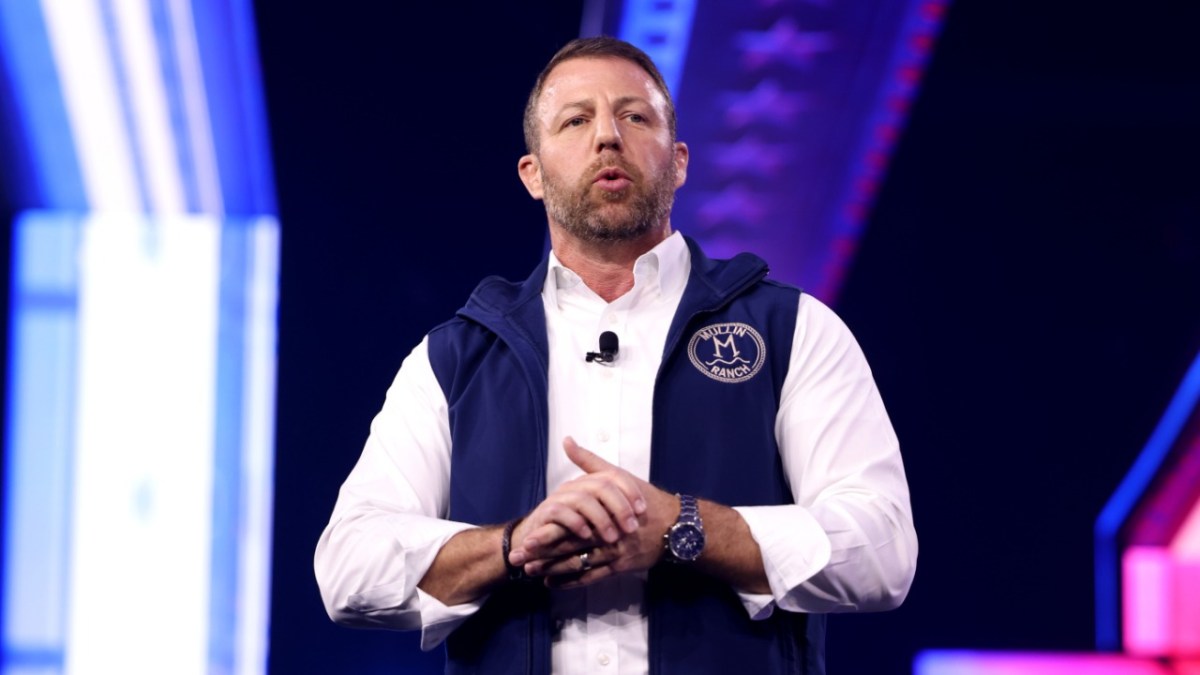

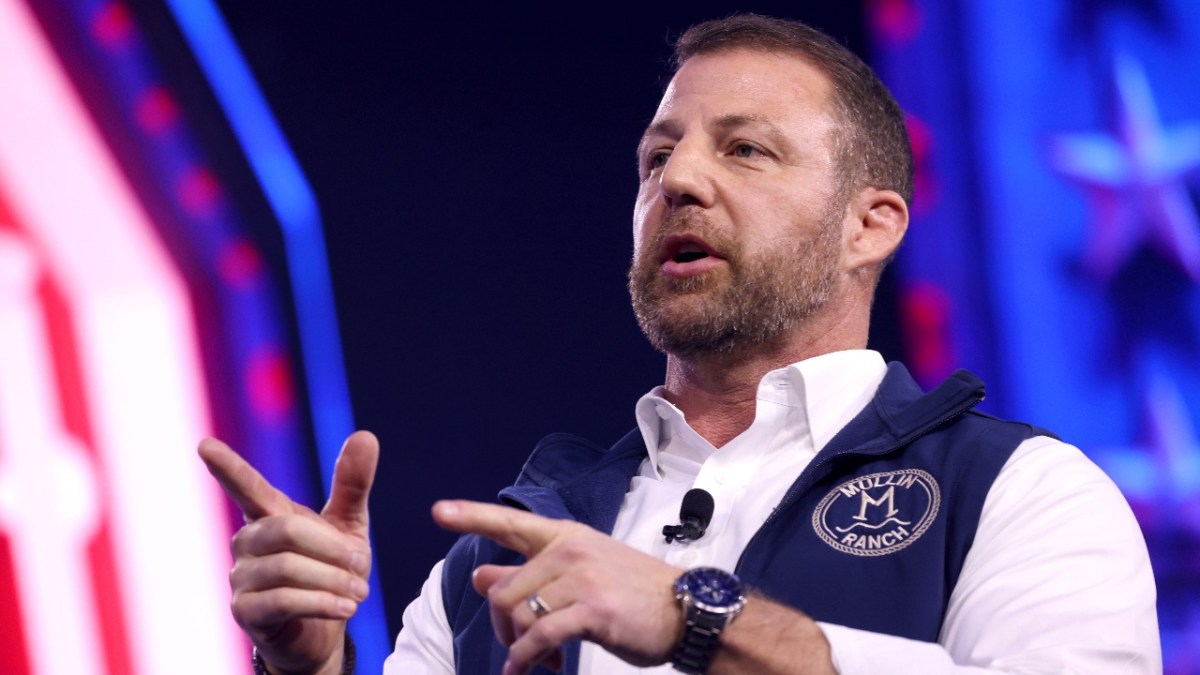
Homeland Security Secretary Markwayne Mullin suggested on Monday that artificial intelligence is the culprit behind five days of major infrastructure breakdowns. Mullin shared this theory during a Monday night interview on Fox News, as reported by Fortune, pointing to what he calls super intelligence as the potential driver for the recent chaos. He told Sean Hannity, “I believe that it’s the SI,” using the administration term for AI.
The trouble started on Thursday, November 12, when Microsoft suffered a global outage that crippled Outlook, Teams, and Exchange Online. The situation worsened on Friday, November 13, when the FAA grounded flights nationwide. This event marked only the second time the FAA took such an action since 9/11.
By Monday, November 16, JPMorgan Chase faced its own hurdles as system disruptions stalled online banking, payments, and customer transactions for hours. Downdetector reports for Chase climbed near 5,000, and customers at other major banks like Bank of America, Wells Fargo, and US Bank noticed delays on transactions involving Chase.
Mullin claims his theory comes from a tech industry contact he refuses to name
Mullin, however, clarified it was not Elon Musk. The contact suggests that programs capable of writing code and fixing themselves may be moving faster than the systems they inhabit, which leads to them overwhelming infrastructure that cannot keep pace. Mullin tried to lower the temperature on the situation during the same interview. He stated he could tell Americans “with 98% certainty, we’re not seeing a cyber attack” and described the incidents as “all individually unrelated.”
Not everyone is buying the official stories from the companies involved. Gary Marcus, an NYU professor emeritus and AI critic, has warned about these types of risks for years. Marcus was stuck in Newark for nearly 48 hours because of the FAA ground stop, giving him a personal reason to pay attention.
He wrote on his Substack on Tuesday that Mullin broke ranks by acknowledging AI might play a role in the outages. His post was titled “America’s infrastructure is melting. And AI appears to be partly responsible.” Marcus also told Fortune, “I doubt we are getting full candor for these incidents, and doubt any have been fully investigated,” adding, “I certainly have the same intuition as Mullin’s contact.”
The companies involved have rejected the AI theory entirely. The FAA attributed its problems to a flood of data on its telecommunications network that destabilized legacy air traffic control equipment. This caused issues at 17 of its 22 Air Route Traffic Control Centers. The agency maintains there is no sign of a cyberattack and continues to investigate the root cause with L3Harris.
Microsoft traced its 24-hour disruption to a software bug from July, combined with high network traffic and reduced server capacity. A Chase spokesperson pointed to a software bug in on-premise hardware, and an FBI official cited by Fox Business linked the issue to a software release Chase launched that Monday.
Mullin himself actually described a scenario that feels closer to these technical explanations than a rogue computer program. He noted that changing one thing in a system causes a ripple effect where everything else begins changing. This aligns with the theory of normal accidents, which suggests that complex, tightly coupled systems often produce failures that nobody designed or intended.
Vimal Kapur, the CEO of Honeywell Technologies, echoed this sentiment at the Fortune 500 Innovation Forum on Monday. He argued that 50 years of automation have created systems that are now too complex for the humans running them.


Published: Nov 18, 2026 09:30 am