


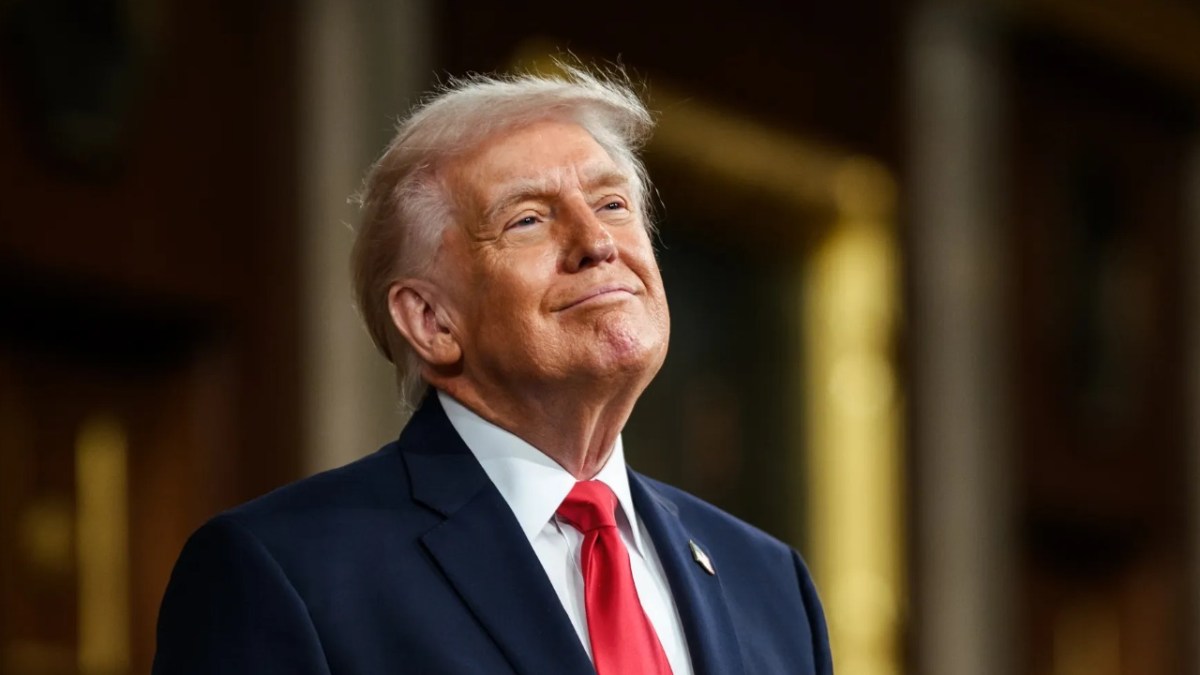

A Florida man is facing federal charges after allegedly posting multiple threats on social media, vowing to assassinate President Donald Trump, according to Law & Crime. The posts, which now appear to be deleted across the web, reportedly included a direct promise that he would personally carry out the killing, prompting federal prosecutors to pursue the case.
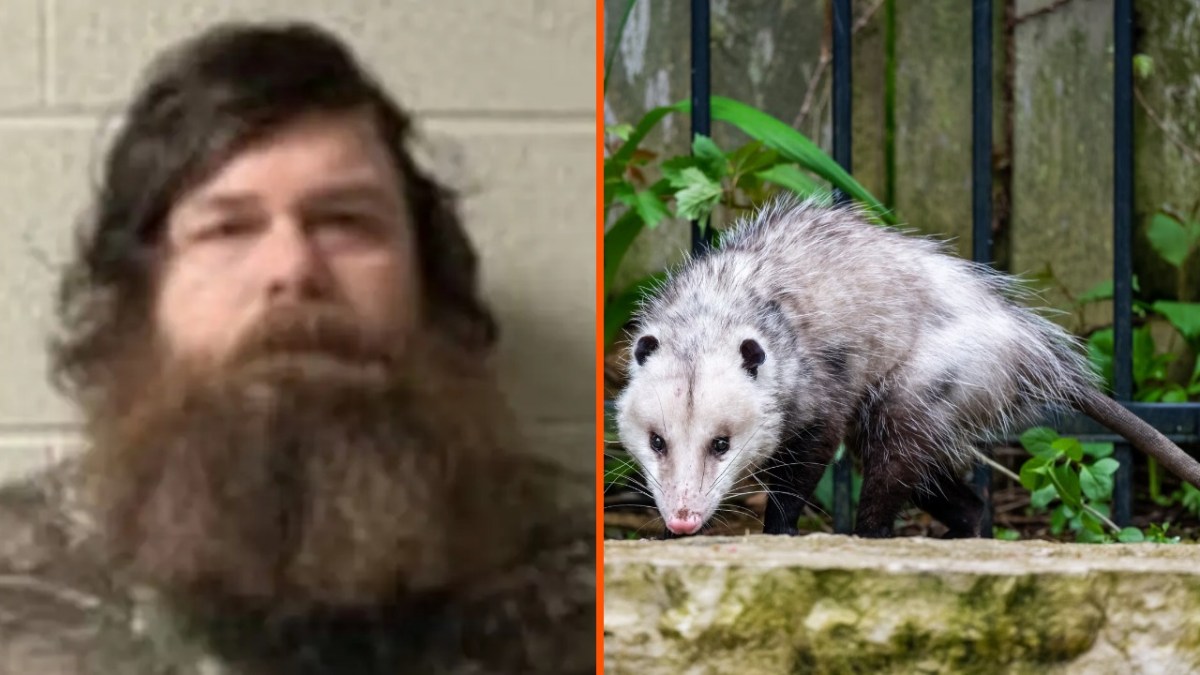
According to a press release by the U.S. Department of Justice, Steven Hutchings, 37, of Escambia County, was indicted on two federal counts of threatening the president over messages he allegedly published in September 2025. Prosecutors claim Hutchings repeatedly identified Trump as a target and made statements suggesting he intended to kill him.
The first alleged threat appeared on September 23, 2025, when Hutchings reportedly described himself as the president of Antifa and vowed to kill people he accused of being pedophiles, including Trump. “As the president of antifa, I vow to kill every pedophile including @Donald J. Trump,” he allegedly wrote, according to the indictment.
He faces federal charges
Hutchings reportedly followed up with another message, claiming that members of the group believed in killing pedophiles. “We’re coming for you. @Donald J. Trump,” he allegedly added. However, prosecutors say his posts became even more direct two days later.
On September 25, Hutchings allegedly published another message explicitly claiming that he would be the person to assassinate the president. “The only one that’s going to kill @Donald J. Trump is me, the only good pedophile is a dead one in my book,” he reportedly wrote.
The Justice Department alleges that Hutchings knowingly and willfully threatened to take the president’s life and inflict bodily harm on him. His indictment includes two counts related to threatening the president of the United States.
Under federal law, threatening the president is a serious criminal offense. Section 871 of Title 18 of the U.S. Code makes it illegal to knowingly and willfully threaten to kill, kidnap, or inflict bodily harm on the president, vice president, or certain other protected officials. A conviction under the statute can carry a maximum prison sentence of five years, a fine, or both. The law does not require an alleged threat to be carried out before criminal charges can be brought (per Cornell Law School).
This case also stresses the limits of First Amendment protections in the United States. While people generally have the right to criticize political leaders and express controversial opinions, that protection does not extend to genuine threats of violence. Courts consider the context and wording of alleged threats when determining whether speech crosses that legal boundary (per FindLaw).







Published: Nov 16, 2026 12:30 pm