



Iran has offered the United States a new proposal to reopen the Strait of Hormuz and end the war, but with a condition that could change the direction of the negotiations. A U.S. official and two sources with knowledge of the matter told Axios that Iran has proposed setting aside the nuclear issue for now and focusing on resolving the crisis over the strait and the U.S. blockade first.
The proposal was passed to the U.S. through Pakistani mediators. It focuses on finding a solution to the strait crisis and the U.S. blockade before moving on to nuclear talks. As part of this proposal, the ceasefire would either be extended for a long period or the two sides would agree on a permanent end to the war, with nuclear negotiations only starting after the strait is open and the blockade is lifted.
Earlier, Huffpost had reported that President Donald Trump told reporters he received a “better” deal from Iran when he called off the U.S. envoy’s visit to Pakistan for the peace talks. But the Iranian offer puts what Trump actually wants at the back of the line since the country is not willing to talk about its nuclear program now.
Iran’s two-step proposal puts nuclear talks last, and the U.S. has not yet agreed to explore it
This move has major implications for President Trump’s leverage in any future talks about removing Iran’s stockpile of enriched uranium and convincing Tehran to stop enrichment. By lifting the blockade and ending the war first, the U.S. would essentially be giving up its main bargaining chip, leaving Iran with little reason to make concessions on its nuclear program later.
The Iranian leadership is reportedly divided over what nuclear concessions should be on the table. The U.S. has been pushing for Iran to suspend uranium enrichment for at least a decade and remove its enriched uranium from the country, but Iran’s new proposal delays that conversation entirely.
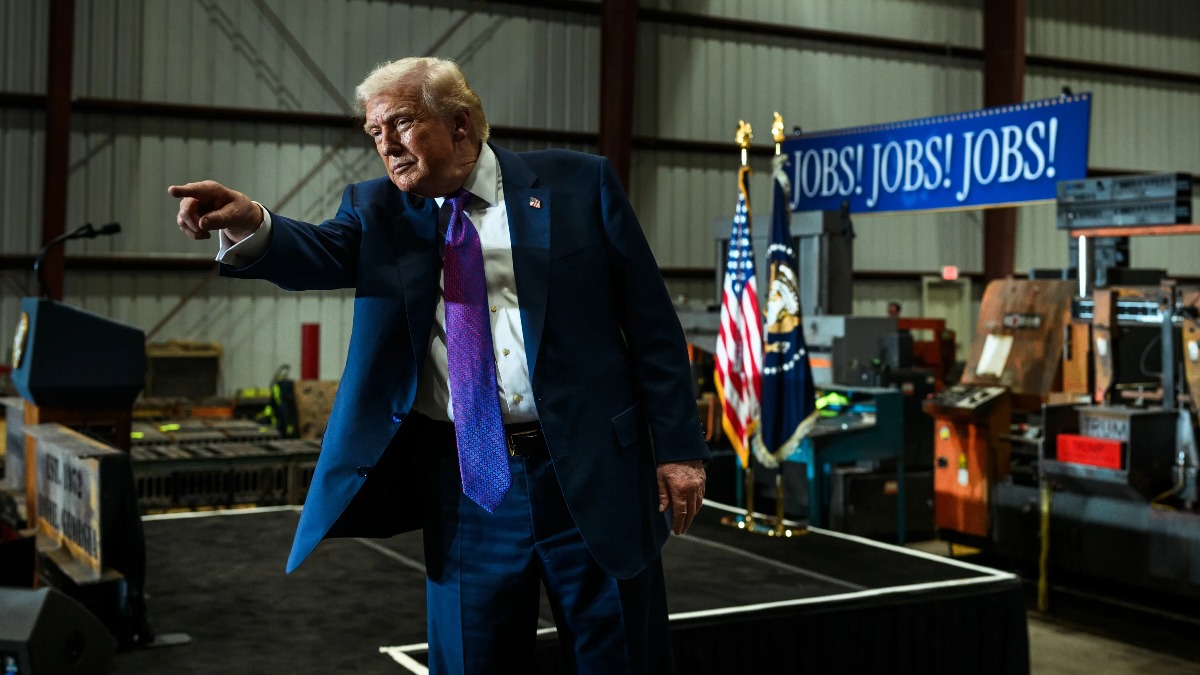
President Trump, however, appears to be holding his ground for now. He signaled that he wants to continue the naval blockade that is cutting off Iran’s oil exports, hoping it will pressure Tehran to give in over the next few weeks.
Trump has previously boasted about the short duration of the Iran conflict, even claiming he would have won Vietnam quickly. “When you have vast amounts of oil pouring through your system… if for any reason this line is closed because you can’t put it into containers or ships… what happens is that line explodes from within,” Trump said.
The proposal has already been received by the White House, but it is unclear whether the U.S. is willing to explore it. A White House spokesperson told Axios that the U.S. will not negotiate through the press and will only make a deal that puts the American people first, never allowing Iran to have a nuclear weapon.
Meanwhile, the prolonged standoff has had real consequences at home, with rising gas prices frustrating Republican voters and more than half blaming Trump directly. On the diplomatic front, Iranian Foreign Minister Abbas Araghchi has been holding talks with Omani officials in Muscat and is expected to travel to Moscow to meet with Russian President Vladimir Putin.
The White House has also announced that Trump will hold a Situation Room meeting on Iran on Monday with his top national security and foreign policy team. The U.S. and Iran are now at a clear crossroads. Iran’s proposal raises serious questions about whether the U.S. is willing to trade its strongest piece of leverage, the blockade, before the nuclear issue is even discussed, and the world is watching closely to see how Washington responds.







Published: Apr 27, 2026 02:31 pm