




A mom was left questioning a gymnastics company’s enrollment policy after she allegedly discovered she couldn’t sign her child up for classes without agreeing to let the business share the kid’s photos on social media. She said she deliberately left a marketing consent box unchecked because she doesn’t post her child online, only to discover that doing so apparently meant she couldn’t complete the registration.
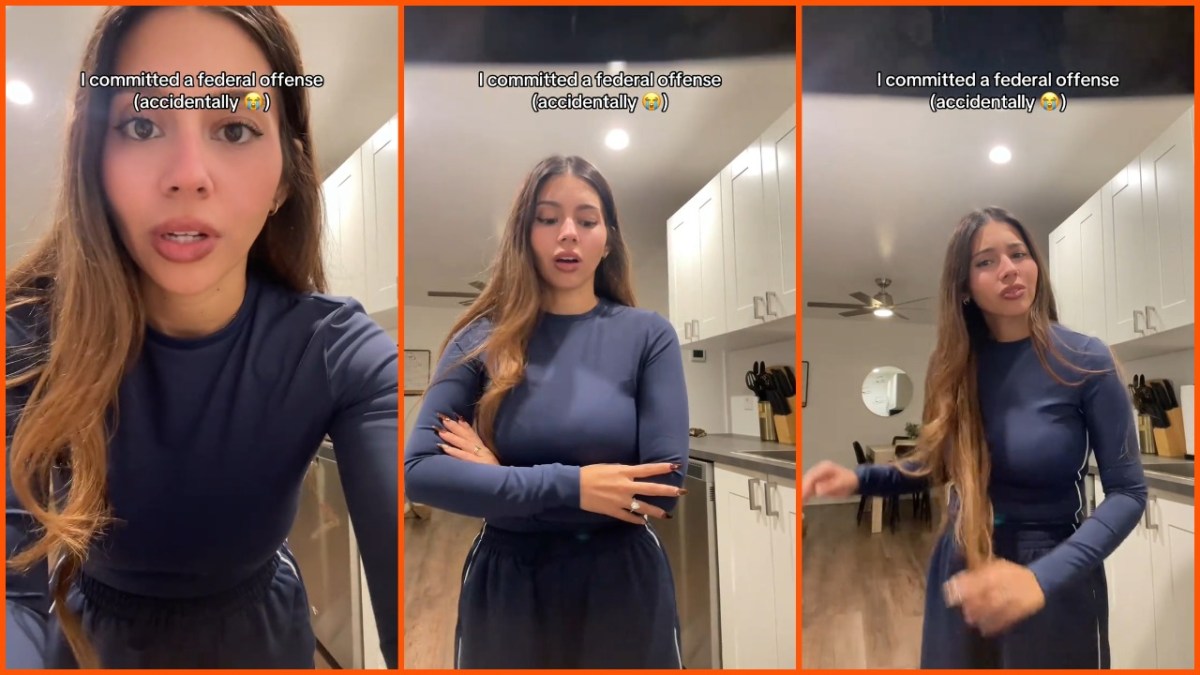
The mom claimed in a TikTok video that the signup process included an option allowing the company to share her child’s photos on social media for marketing purposes. She didn’t want to give permission, so she left the box blank and continued selecting the class and time slot she wanted. However, when she reached checkout, she claimed the website wouldn’t let her finish enrolling.
“It says you can’t send your child up because you did not agree to have your child posted,” she recalled. She questioned why the business would make social media exposure a requirement for something as simple as attending gymnastics.
It looks like an absurd requirement
The mom was so frustrated by the alleged policy that she no longer wanted to enroll her child with the company at all. “Now I don’t even, like, want to be affiliated with this company or do anything with them, because I’m like, that is just so absurd,” she said.
Her frustration touches on a broader issue parents face as more businesses use social media to promote their services. While sharing photos from classes can help companies advertise and show prospective customers what their programs look like, parents may not necessarily want their children’s faces appearing on public accounts that strangers can view, save, or share.
That distinction is particularly important when a child’s participation in an activity is seemingly tied to a parent’s willingness to authorize promotional content. The Federal Trade Commission’s Children’s Online Privacy Protection Rule (COPPA) recognizes photos and videos containing children’s images as personal information in certain online collection contexts, underscoring that children’s images can carry privacy implications beyond simply appearing in a marketing post. The rule does not automatically govern every gym’s social media photo policy, but it highlights why parental consent and children’s online privacy are important considerations.
The FTC also notes that anyone who sees something shared online can take a screenshot or recording, and deleting the original post doesn’t guarantee that the content disappears. This means parents may have little control over where their children’s photos eventually circulate. So, even if a business has no harmful intentions, some families may prefer to keep their children’s online presence limited until they’re old enough to make those decisions themselves.







Published: Nov 18, 2026 01:45 pm