



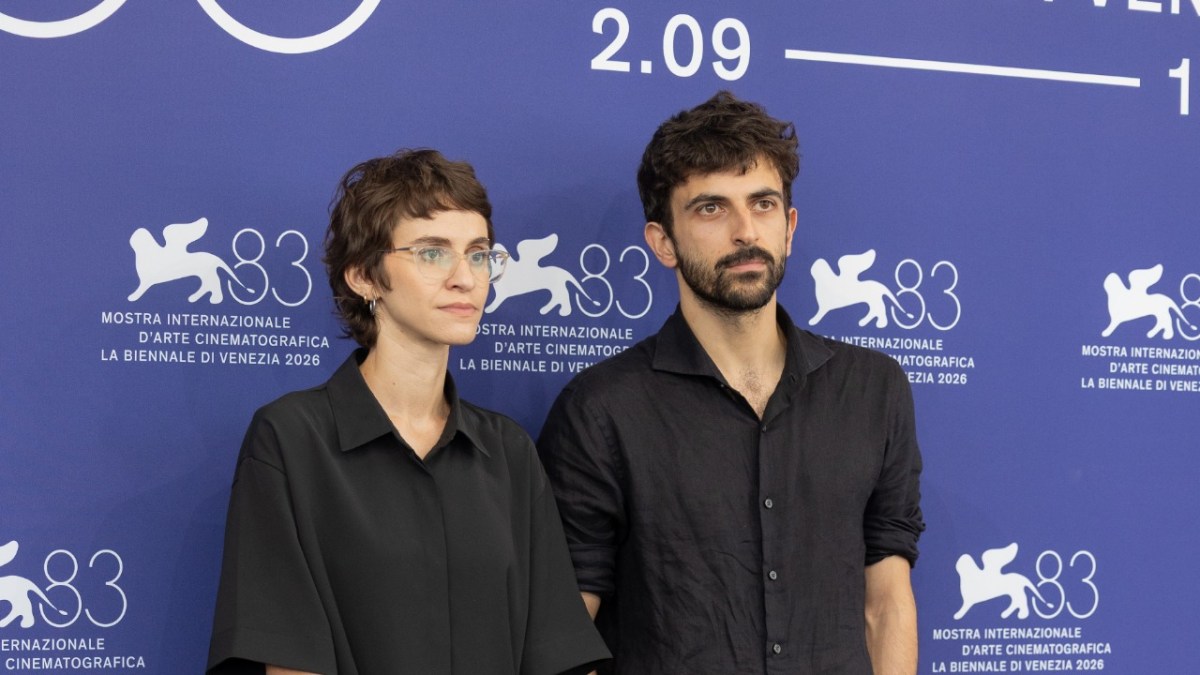
Producer James Wilson is speaking out against the intense backlash directed at co-directors Yuval Abraham and Rachel Szor following their documentary, NAZA. The film, which takes a hard look at how the Israeli military utilizes AI and phone surveillance to track and target individuals in Gaza, has triggered threats against the filmmakers, including calls to revoke their citizenship.
During a wide-ranging conversation at the BFI London Film Festival, as reported by Deadline, Wilson described the response from certain Israeli government officials as a “hysterical, vituperative, aggressive backlash.” He admitted that the situation has been “very difficult, stressful, horrible and scary.” Despite the severity of the threats, Wilson provided some reassurance, noting that the directors are safe.
Wilson also pointed out an interesting meta-layer to the situation. By citing a piece from the Jewish American newspaper Forward, he explained that the cognitive dissonance displayed by critics who haven’t even seen the film actually mirrors the very themes explored in the documentary itself. In his view, this reaction is essentially part of the film.
Moving past the controversy, Wilson highlighted that the overall reception to NAZA has been overwhelmingly positive
He expressed great satisfaction that serious film critics have taken the time to analyze the cinematic and formal ideas presented in the work. NAZA has been noted as a challenging piece of filmmaking, framed by rooftop interviews with 24 intelligence officers and soldiers against the Tel Aviv skyline.
The film forces viewers to confront the military’s points-based systems and the grim reality of strikes that occur in residential areas regardless of the potential for civilian casualties. The film’s title itself stems from the Hebrew acronym used by the military to estimate the number of civilians that might die during a strike.
Wilson’s appearance at the festival also offered a look back at his impressive 30-year career. He reflected on his early days as a teenager in the late 70s and 80s, when he was an avid art house film buff. He recalled cutting out small ads for Herzog films and being part of a generation that viewed cinema as the ultimate form of creative expression.
His career trajectory is a fascinating map of the industry, moving from his time at the American Film Institute in Los Angeles during the rise of independent cinema to his early days as an assistant at Fox Searchlight. He vividly remembers the high-stakes environment of the 90s, including a legendary fistfight between Harvey Weinstein and a seller at Sundance.
As the industry evolved through the rise of digital technology and the internet, Wilson noted that the landscape of cinema changed forever. He feels fortunate to have started his career during a period when specialty films were beginning to reach much wider audiences.
This foundation eventually led to his long-term creative partnership with director Jonathan Glazer. Their collaboration includes titles like Sexy Beast, Under the Skin, and the Oscar-winning The Zone of Interest.
Wilson described their work together as an organic, slow-burning process. Regarding The Zone of Interest, he shared that it took over a year just to settle on the right approach to the material. When Glazer eventually used his 2024 Academy Awards acceptance speech to address the conflict in the Middle East, he sparked significant debate. Wilson stood firmly behind his partner, noting that he was proud of the speech and fully supported the sentiment Glazer expressed regarding the victims of dehumanization.


Published: Oct 8, 2026 06:33 pm