


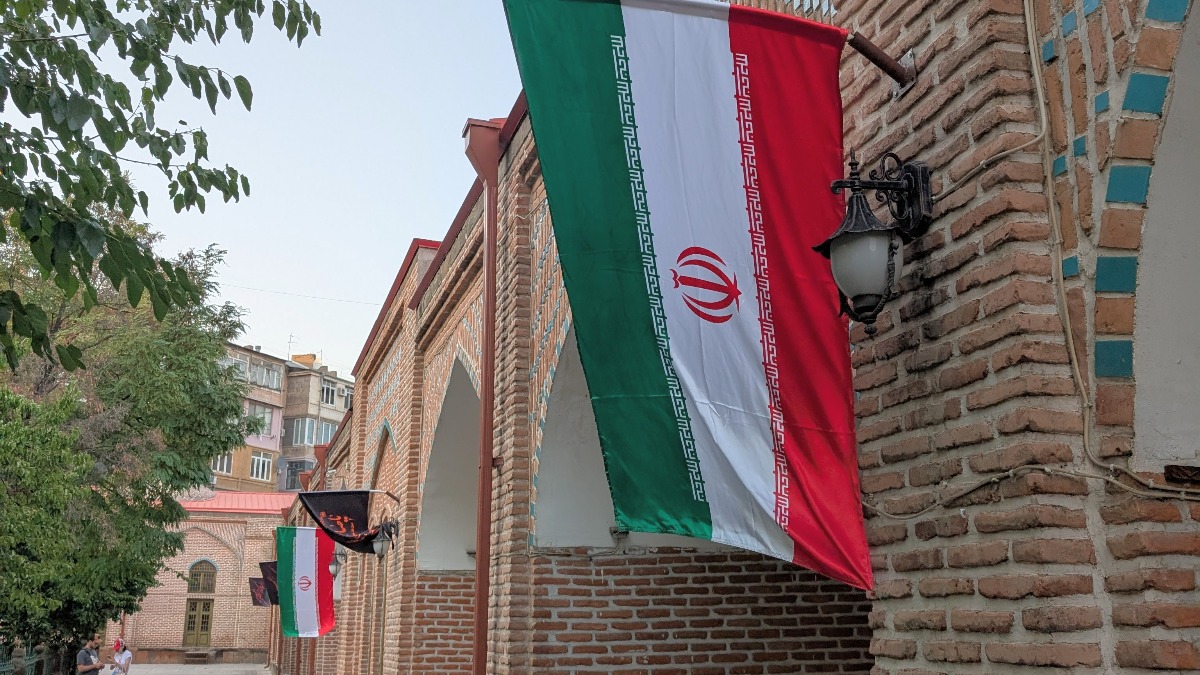

The window for diplomacy is closing fast as the U.S. and Iran exchange sharp warnings just hours before their ceasefire is set to expire. With the deadline approaching on Wednesday evening, both sides are holding firm, making the chances of a lasting peace deal look increasingly unlikely.
According to CNBC, the tension reached a new high on Tuesday when Iran’s parliamentary speaker, Mohammad Bagher Ghalibaf, posted on social media to criticize the ongoing negotiations. Ghalibaf accused U.S. President Donald Trump of “imposing a siege and violating the ceasefire” and trying to turn the talks into “a table of surrender or to justify renewed warmongering.”
He also claimed that Iran has prepared to reveal “new cards on the battlefield” over the last two weeks, though he gave no specifics on what those cards might be. This aggressive stance from Iran comes in direct response to Trump’s renewed warnings of military action.
Both sides are hardening their positions, and the path to a deal looks narrower than ever
Trump has been open about his intentions, stating that if a deal isn’t reached, “lots of bombs [will] start going off.” In a social media post on Tuesday, he alleged that Iran has violated the ceasefire “numerous times,” though he provided no specific evidence to support that claim.
According to Axios, A U.S. delegation that includes Vice President JD Vance, along with special envoys Steve Witkoff and Jared Kushner, is preparing to travel to Islamabad for a potential second round of negotiations.
However, the status of the Iranian delegation is less clear. Iranian state TV reported on Tuesday that no team had yet departed for Islamabad, following a period where the Iranian team was reportedly waiting for approval from their supreme leader, while also facing pressure from the Revolutionary Guards to demand an end to the U.S. blockade before any further talks.
Reports have also emerged suggesting that Trump previously ordered a nuclear strike on Iran, which was only stopped after the Chairman of the Joint Chiefs of Staff intervened. The blockade, centered on the Strait of Hormuz, is one of the most dangerous points of conflict. The waterway normally handles around 20% of the world’s oil and gas.
Over the weekend, the U.S. Navy fired on and seized an Iran-flagged cargo ship that tried to bypass the blockade, while Iran fired on two other vessels. Lloyd Chan, a senior currency analyst at MUFG Global Markets Research, warned that any further military escalation in the region could trigger a major spike in oil prices and cause serious market instability.
The first round of talks, which ended on April 12, failed to resolve key issues such as Iran’s nuclear program. Experts are already lowering expectations for the next round. Cornelia Meyer, chief executive of Meyer Resources, said that pushing for a full peace settlement is likely “going too far” and that a diplomatic roadmap would be a more realistic outcome.
Former senior U.S. diplomat Alan Eyre raised concerns that the U.S. team may be outmatched by Iran’s experienced negotiators. He warned that unless the U.S. brings a team of experts they trust, they are “out of their league.” Adding to those concerns, Trump has continued threatening Iran’s power plants and bridges even as negotiations remain ongoing, a move that analysts say undermines the credibility of the talks.
Although the original two-week ceasefire was set to end on Tuesday, President Trump said on Monday that he views the deadline as Wednesday evening, giving both sides a few extra hours. However, when asked whether he expects fighting to resume if no deal is reached, his answer was direct: “If there’s no deal, I would certainly expect.”




Published: Apr 21, 2026 03:25 pm