



Paramount has officially reached a settlement in the antitrust lawsuit brought by a coalition of state attorneys general, removing the final barrier to its massive acquisition of Warner Bros. Discovery. This development, which was confirmed on September 30, clears the path for the deal to move forward after months of legal uncertainty, Deadline reported.
While full details are expected to arrive later today, the agreement involves significant concessions from Paramount to address concerns regarding the merger. The company has agreed to implement guardrails for CNN, along with specific financial penalties tied to CEO David Ellison’s commitment to produce 30 movies per year. There will also be a requirement for some form of separation between the studios for a set period.
To support the local industry, Paramount has pledged an investment of $1.5 billion toward domestic film production and job creation, with additional production requirements should the federal government pass specific tax incentives. Furthermore, the settlement includes a $47.5 million workforce development fund and a firm obligation to honor existing collective bargaining agreements. The WGA’s lawsuit against the merger is also included as part of this settlement.
The negotiations reached a tipping point over the weekend
While news of potential settlement talks first emerged on Friday, attorneys general from New York, Connecticut, Minnesota, and Nevada held out for additional concessions until late Sunday. California’s Rob Bonta, who led the group, secured these final terms after promising to hold Paramount’s feet to the fire to ensure the company follows through on its commitments.
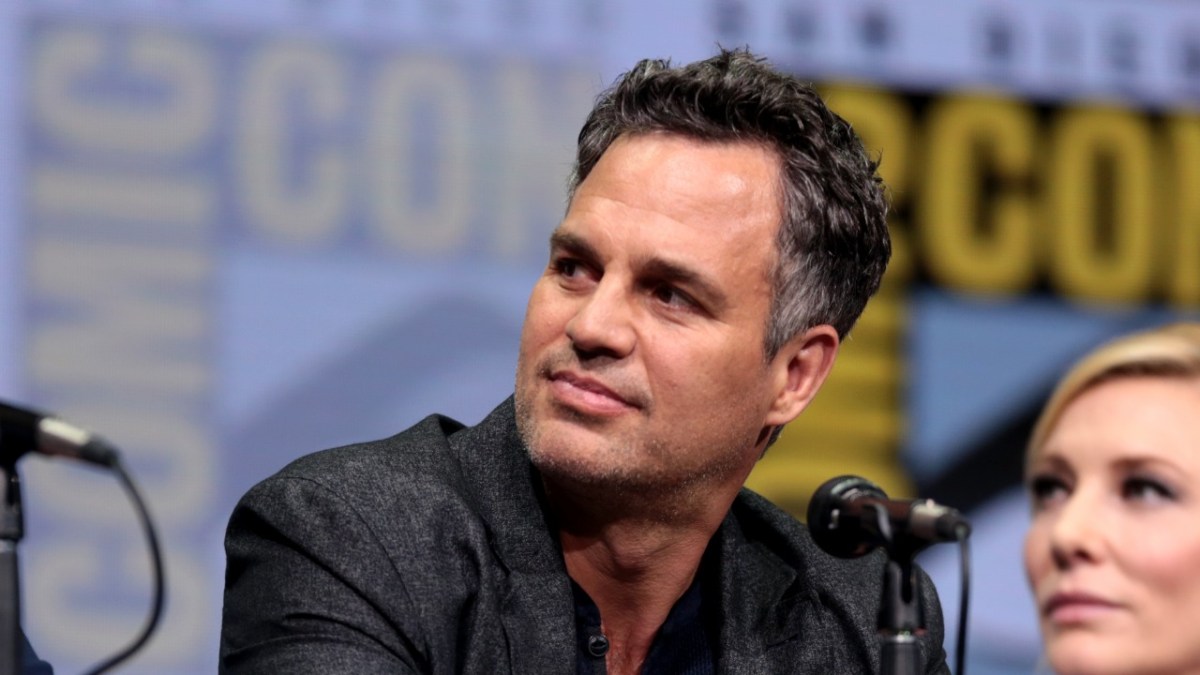
Governor Gavin Newsom reportedly played a key role, staying in constant contact with all parties as the talks shifted. He was particularly focused on addressing core concerns for Hollywood and the state, especially given the intense backlash from Congressional Democrats and high-profile industry figures like Mark Ruffalo. As one source close to the situation noted, “It’s jobs, job, jobs, that’s what this all about.”
Despite these protections, the reality of the merger still points toward significant cost-cutting. Investors have been promised $6 billion in savings, which suggests that layoffs are still likely on the horizon. The market reacted positively to the news of the settlement, with Paramount shares rising 9% and WBD climbing 10% to trade at approximately $30.50. The deal structure values Warner stockholders at $31 per share.
The legal journey to this point was intense. After the U.S. Department of Justice approved the merger in June, the state attorneys general filed their antitrust lawsuit in July, which effectively stopped the deal in its tracks.
A judge had set a trial date for March, but Paramount was clearly motivated to avoid a lengthy court battle. The company was eager to reach a resolution before October 1, the date that would have triggered a costly ticking fee. This $7 million-a-day payment to Warner stockholders was a unique sweetener used to secure the deal, and it could have potentially cost Paramount nearly $2 billion had the transaction remained delayed.






Published: Sep 21, 2026 04:03 pm