


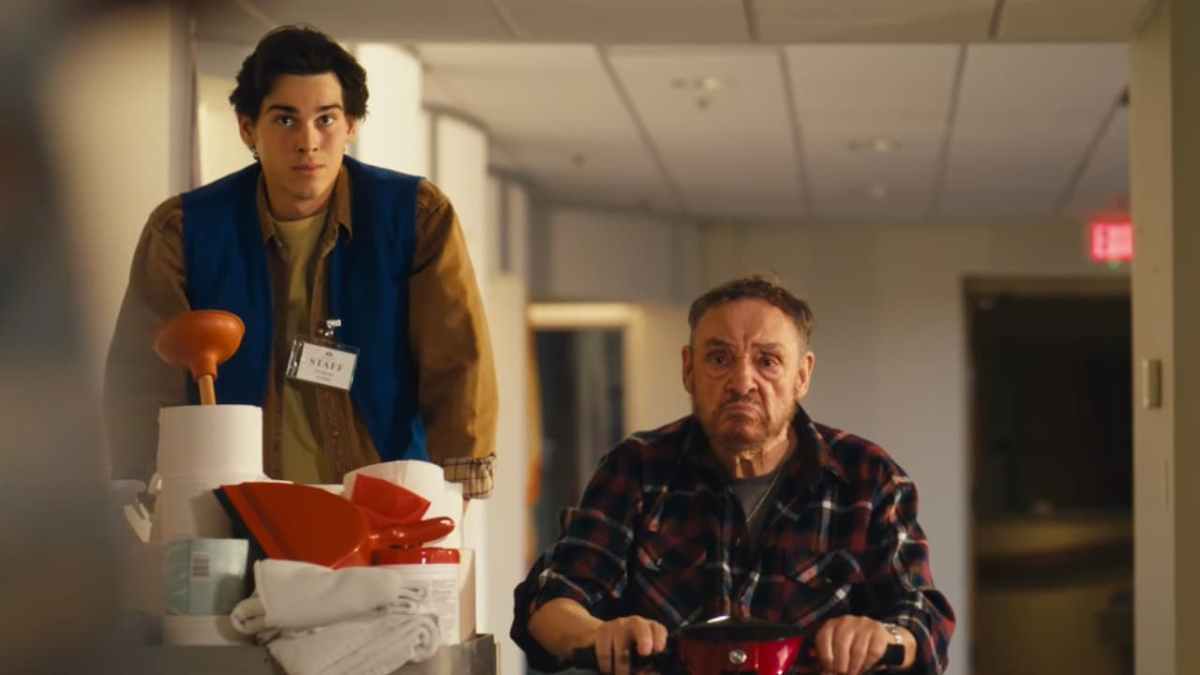

Growing old is a part of life; it’s also something that many people fundamentally misunderstand and perhaps even fear a little bit. The film Seniors, directed by Lance Clark and written by Erica Leigh Dick, examines that notion. The two leads will no doubt be familiar names to audiences, with Paris Brosnan, son of James Bond star Pierce Brosnan, stepping into his first leading role, starring opposite Hollywood legend and The Lord of the Rings star John Rhys-Davies.
The story is a heartwarming tale of a young and hopeful writer (played by Brosnan) who crosses paths with a cynical old man (played by Rhys-Davies). Together, the pair strike a deal to help each other, and along the way, they learn a valuable lesson from one another while forming a bond neither of them expected.
Amid the tidal wave of big-budget superhero films, we got the chance to sit down and speak with John and Paris, who spoke about the smaller acts of heroism on display in their film, the differences between generations, and how Seniors revealed that growing old isn’t so bad after all.
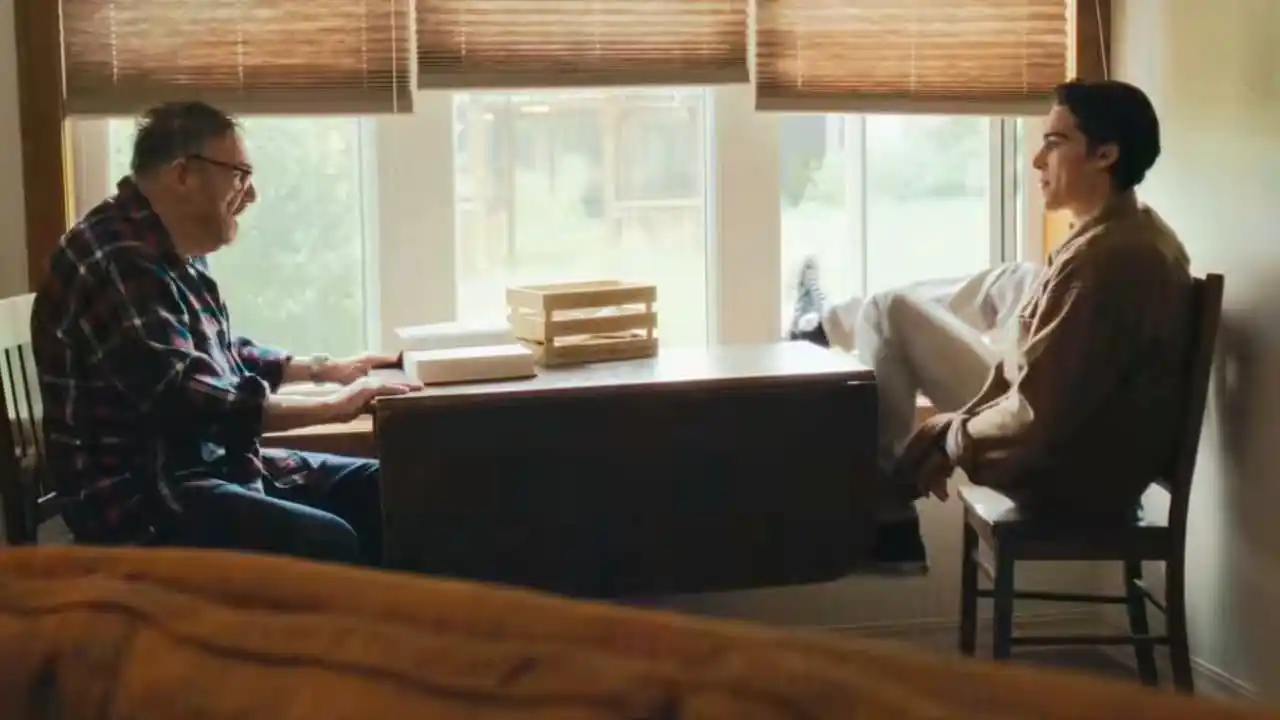
WGTC: Starting off with the message of the film, Seniors focuses on two people at opposite ends of their lives. What’s one thing both generations get wrong about the other?
John: What all generations get wrong about the other is that the young always imagine that they’re the first people to discover sex, and slowly life reveals the falseness of that. And musically we do differ. I’ll bet that you and Paris have a similar taste in music. I have some great friends who, musically, I differ with. I had dinner with Nicko McBrain the other day, who’s the drummer of Iron Maiden, and I love Nicko; we get on wonderfully well. But I can’t say I’m a great fan of heavy metal. That would be the prime thing, I think.
WGTC: And you, Paris?
Paris: I think just realizing that they have lived and acknowledging that they’ve lived the experiences that you’re going through, and you overlook that. At least for my character, he doesn’t understand where I’m at in my life, and that I need to rush and tell this story and, you know, and I’m out of time, is one of the themes that recurs when my young character has everything, “all the time in the world,” and this man sitting in front of him has lived his story and a hundred more and that he has all the answers and wisdom he’s looking for. They’re not too far in their worlds and lives and reality, and they want similar things, and it’s an unexpected relationship of two people who aren’t so much different, and they’re both talented in their own respects, and they learn things from each other that are very valuable.
WGTC: So young people have a lot to learn?
Paris: Yeah, and there’s a mutual respect to be found from the pair.
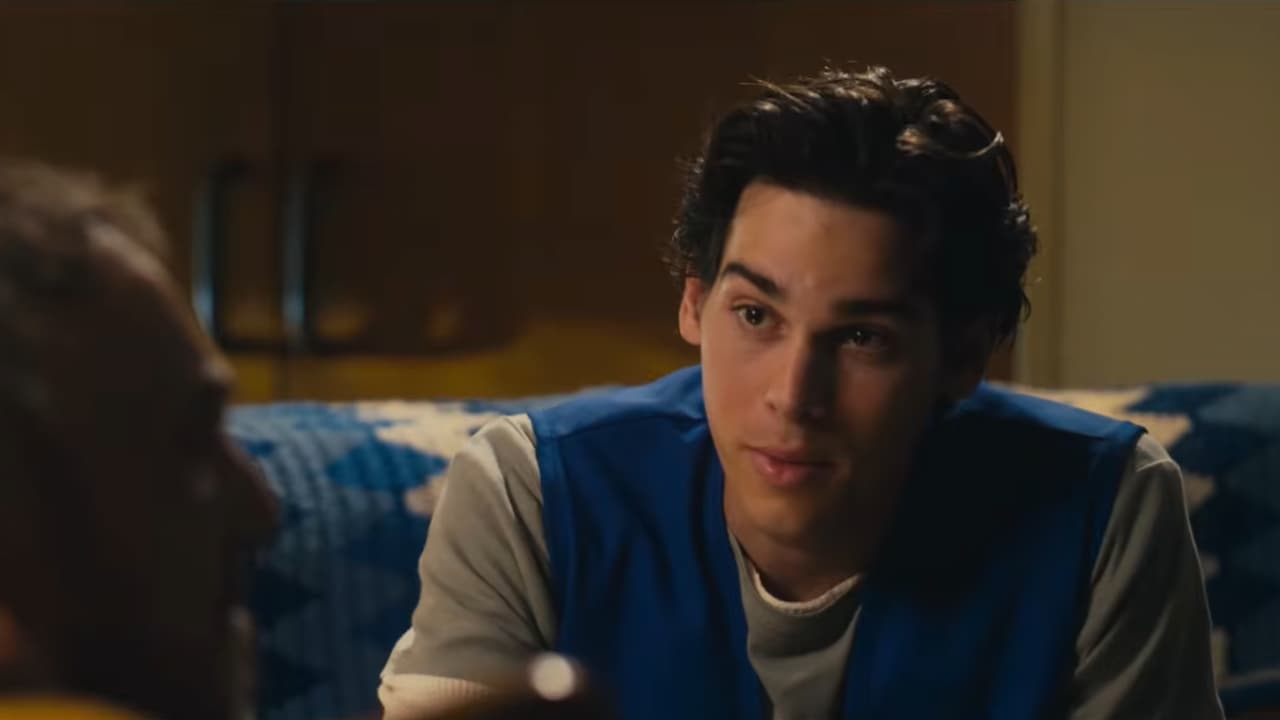
WGTC: John, a lot of this movie is about reflecting on one’s life and looking back on past mistakes. What’s one thing you think young people misunderstand about growing older and living their lives? Is there anything you’d offer as advice to young people?
John: All the usual platitudes that the old would pass on to the young, really. First of all, live each part of your life at the right time. Don’t speed ahead and try to become older before you’ve been younger. Do not jump into permanent relationships unless you’re actually those rare souls that actually can find a soulmate instantly and permanently. Most people can’t.
Take your time. Do not try to make mistakes, but understand that you will make mistakes. You will learn more from your mistakes than you will your successes. Above all, be prepared to examine your convictions. Understand that you will always be motivated and pressured by your own peer group.
In truth, being a parent is this: you have some control over your child up until the age of 11. After that, the child is really brought up by its peer group, and if it’s a bad peer group, things can go very wrong, and if it’s a good peer group, by and large they’ll sort themselves out rather well. The other thing is, as you grow regret to, you must learn what real manhood is if you are a man. Real manhood is actually the willingness to care and protect women and children and possibly the elderly, and that is your primary function and has always been. If you fail in that, then you fail as a man, and that’s a truth that I would have never considered when I was younger, but the older I get, the more I appreciate it. That’s really backwards and antediluvian, isn’t it?
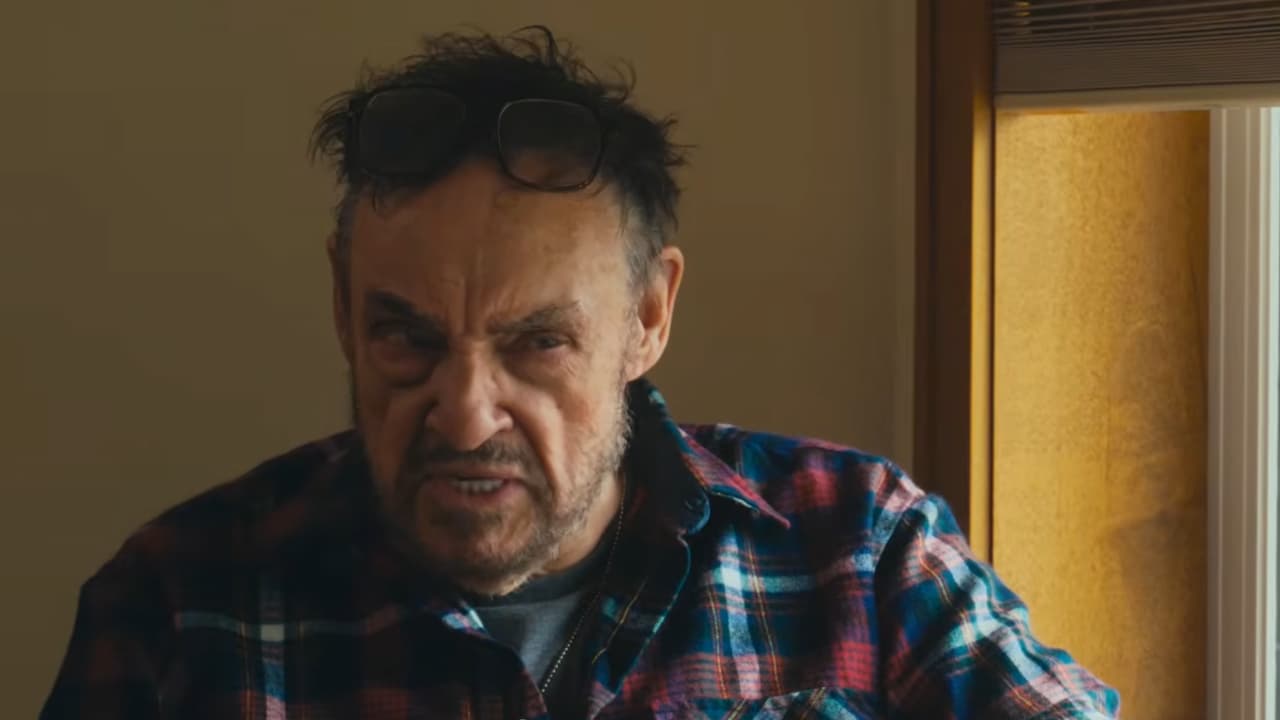
WGTC: Your character is somewhat cynical; his life has led him to this point, and he’s become a very jaded individual. Do you share his stance? Or do you disagree with his take on life and people making mistakes?
John: I think he’s a bitter old man, and it is a two-way exchange. He helps the young one, but the young one actually helps him. I think the gift that the young one gives the older man is far greater. It gives him the opportunity to put things right. It gives him the opportunity to find those other parts of his soul that he’s cut off: generosity of spirit. Do I see myself in that man? I see a possible self, but it’s not me; I find the older I get, the more I like people. I don’t think the younger me really liked people, which is probably the wrong way round; I suspect you should be very generous when you’re very young and very miserly when you’re old. So it may just be the onset of dementia. But I find more and more that, if we put out warmth and friendship to others, we get an abundance of warmth and friendship back. And that would be one of the lessons I would pass on to the young. Just be warm, be kind, be encouraging, and allow them to be different. My daughter has very different political opinions to me, and I’ve just had to learn to gently say, well, that’s fine, you believe what you believe, but you’ve got to be able to justify it rationally at some point. But we don’t come into the world fully and finally made; we are, on a two-way ticket, with the opportunity to grow and change, but remember it is a two-way ticket and just hope that you haven’t got a one-day excursion.
WGTC: On the subject of the character of Albert, Paris, was there anything about the character that made you change what you thought it meant to be old? Or reevaluate where you’d be in 60 years?
Paris: Yeah, being willing to start again. Also being willing to believe in someone who maybe hasn’t been given the chance by other people, and not overlooking someone for the state of mind that they appear to be in, breaking past the shell, and really hearing someone’s story and seeing the life they’ve lived. Everyone has a story, and everyone’s going through their own turmoil in life and dealing with things privately. Everyone expresses that differently, so I think from the outside, my character, Ori, sees this grouchy old man and really, when he gets to know him, he discovers this warmhearted, gentle man who’s just really, for lack of a better term, broken and frustrated with the way things have turned out. But through that, they find each other, and they realize they needed each other more than anything else. Ori’s looking for a father and Albert’s looking for a son, and whether or not they found it from their real biological father and son, they have this incredible connection. He helped tell his story, so I think just being thoughtful about what people are going through and really not judging a book by its cover.
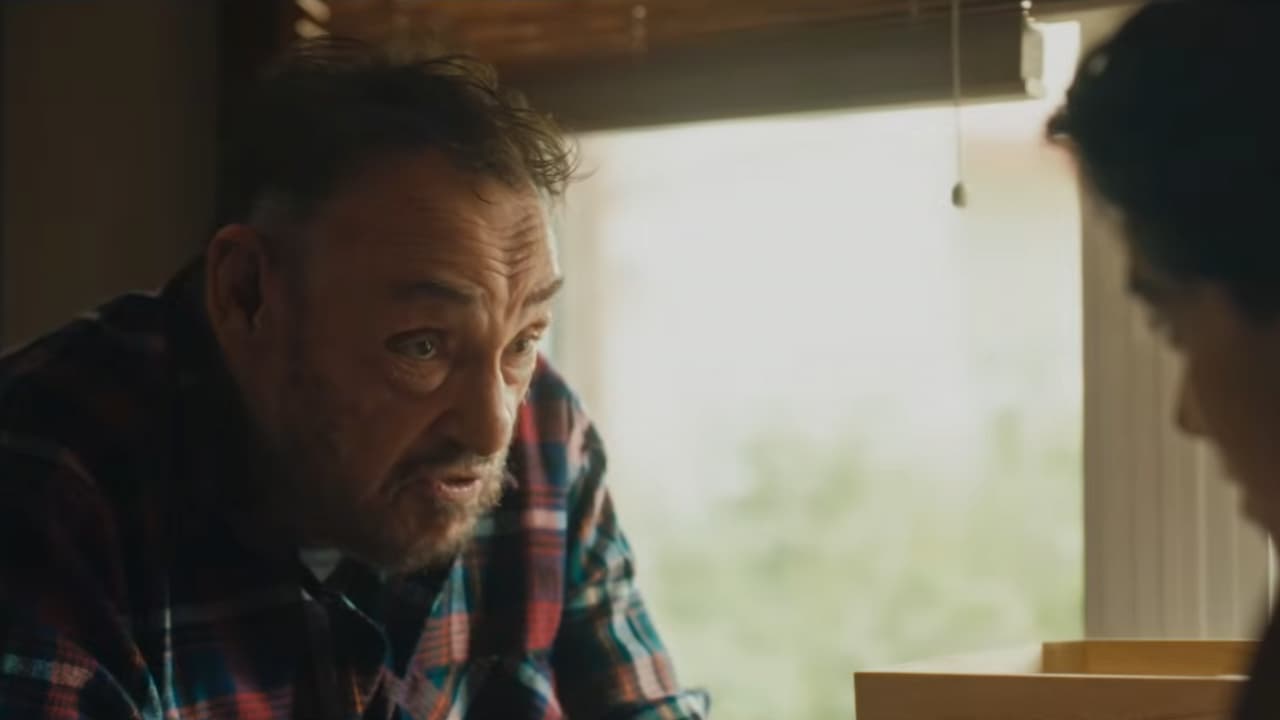
WGTC: Speaking of that family connection, John, you’ve worked with both Paris and his father, Pierce Brosnan, as a kind of mentor. Was there ever a moment where that felt profound?
John: Anyone who survives long in our profession just values your fellow survivors and their children. You know, for many of us, sometimes our success has been bought and paid for by, sometimes our families, sometimes our marriages. Nobody gets through life, except Tolkien, perhaps, having really done all the right things the right way. I first worked with Pierce; I think I was doing The Scotsman, we don’t refer to the Shakespeare play by its title, and I think he was playing second murderer. He was an acting ASM at Theatre Royal York, as I recall, and then he wisely went to America and made some good decisions and slowly became a television star, quickly became a film star, and just keeps working, and that’s glorious to be able to keep working. And he managed to make the transition between young and glamorous man to a middle-aged leading man, to an older man who is still a leading man, and not many actors do that; very very rare.
Paris: He was so proud when I told him who I was going to be alongside in the film. He started his career working with John, and I got to do the same, so it is nothing short of profound. It’s an honor for me and a full-circle moment, and we were just talking about it over breakfast the other day, and how excited he was to see John and how excited I should be. I’m nervous to go and watch myself. I don’t love watching myself on the screen, but it doesn’t mean I’m not proud of it; I’m so proud of it.
John: I haven’t seen the film yet, but I want you to know that you hit the right points.
It’s clear that the stars of Seniors have a great amount of respect and admiration for one another’s talent and that talent is on full display in the movie. We look forward to seeing Paris Brosnan and John Rhys-Davies on our screens when the film releases next month.
Seniors is set to hit U.S. theaters on October 23, 2026.



Published: Sep 18, 2026 11:55 am