


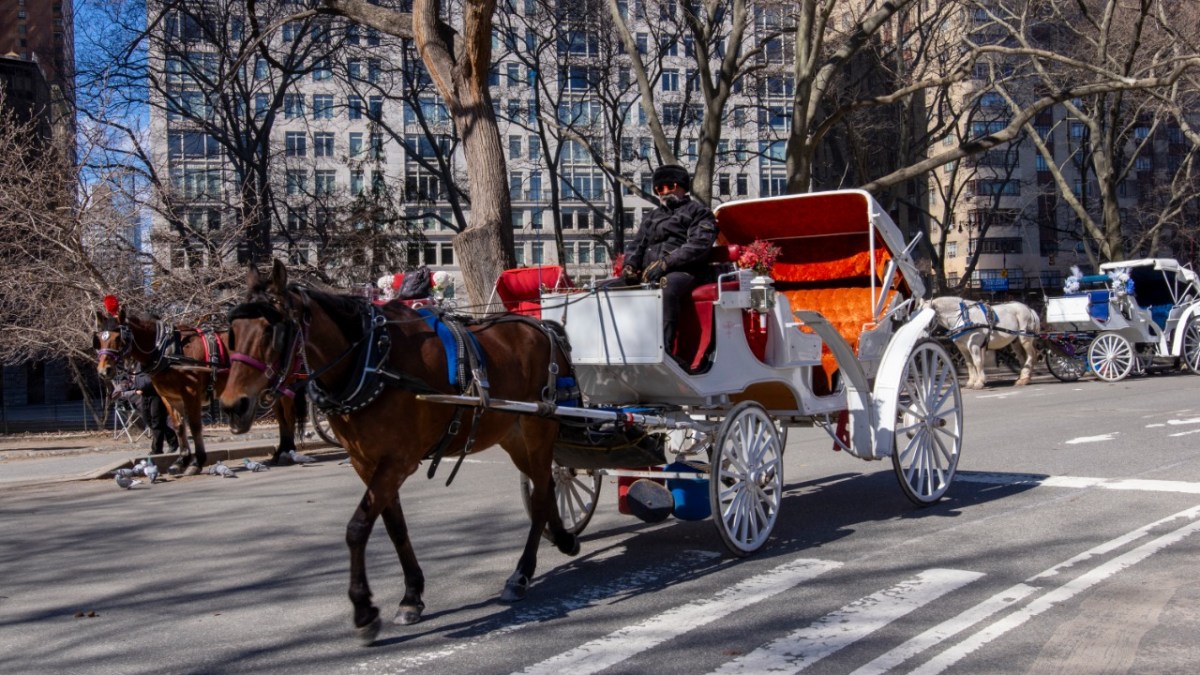

Mayor Zohran Mamdani and the New York City Council Speaker have reached a formal agreement to ban horse-drawn carriages throughout the city, The Guardian reports. This move marks the end of a long-standing tradition that has frequently sparked intense debate among city leaders, animal rights advocates, and the workers who operate the carriages.
The legislation is set for a vote on 22 October. If it passes, it will become illegal to operate these carriages starting in June 2028. Mayor Mamdani confirmed the development on X on Tuesday, stating, “The horse carriage industry is coming to an end in New York City. Our administration will make sure workers and owners are protected and the horses are safe.”
Animal rights activists have highlighted concerns regarding the treatment of the animals, particularly following several instances where horses collapsed during rides. The pressure for a ban gained significant momentum over the summer following the death of an 18-year-old tourist named Romanch Mahajan, who was thrown from a carriage.
While these carriages are a common sight in Central Park, they have faced increasing scrutiny for years
City council speaker Julie Menin emphasized that these carriages have “become a growing public safety liability.” She noted that while the city values its traditions, it is necessary to prioritize public safety and the economic well-being of the city. According to Menin, “We can honor our city’s traditions while recognizing when it’s time to move forward in the interest of public safety, protecting workers, and strengthening our city’s economic vitality.”
The path to this deal was complicated by the Transport Workers Union, which has consistently raised concerns about the impact on the drivers’ livelihoods. Mayor Mamdani previously held reservations about earlier versions of the bill, citing a lack of sufficient protections for those who work in the industry.
The current version of the legislation aims to address these concerns by requiring the city to launch a workforce transition program. This program is designed to offer carriage drivers career counseling and assistance in finding new roles within the public or private sectors. Additionally, the bill mandates that the city consider a compensation program for carriage owners to account for the value of their businesses.
Despite these provisions, the agreement has faced harsh criticism from union leadership. John Samuelsen, the international president of the Transport Workers Union, argued that the bill fails to provide any real security for the employees involved. During his comments to Politico, Samuelsen stated, “This is disgraceful political opportunism, and Zohran should not simply go along with it, particularly when immigrant families’ livelihoods are being destroyed.” He further described the situation as “reprehensible.”
The bill also includes specific requirements for the welfare of the horses. The city must implement a program to ensure that the animals are transitioned humanely. This includes a strict prohibition against selling or transporting the horses for slaughter, and it prevents them from being sold to other carriage industries in different locations.
City hall spokesperson Sneha Choudhary stated that the administration has been collaborating with various groups to reach this point. She explained, “We have been working closely with the city council, union partners, carriage drivers, animal welfare advocates, and community leaders to deliver a just transition that protects workers while ending horse-drawn carriages in Central Park once and for all.”



Published: Oct 14, 2026 06:28 pm