


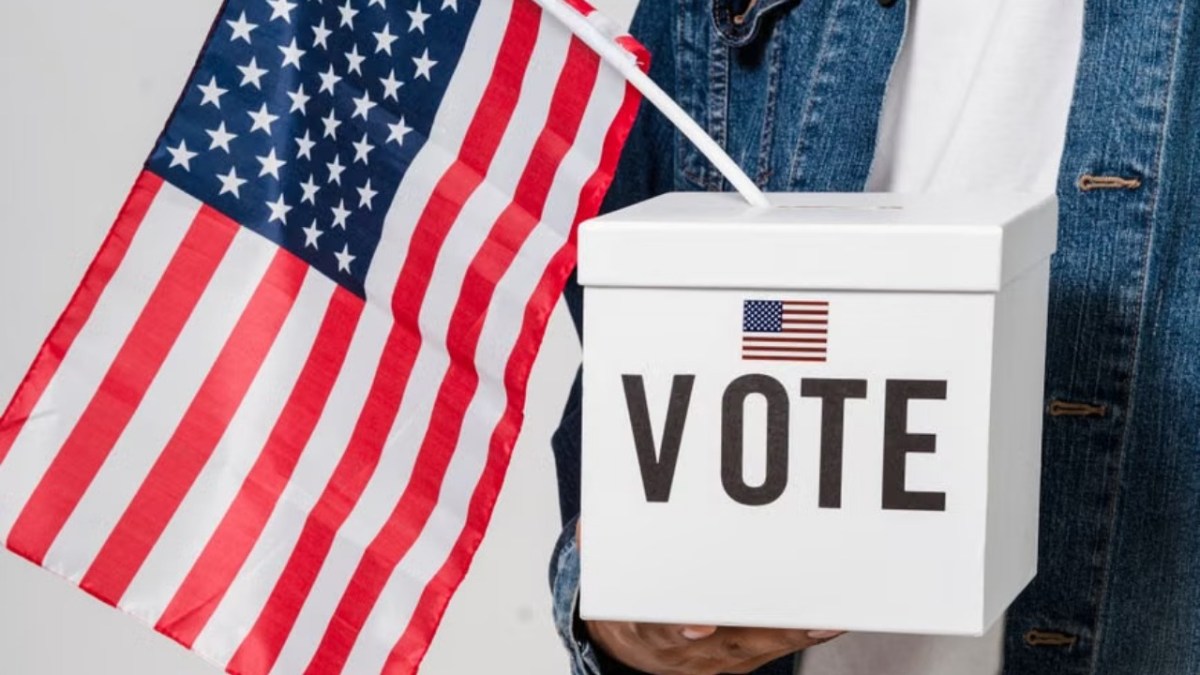

The Supreme Court has ruled against the Trump administration’s attempt to force California election officials to set aside ballots from people the Justice Department claims are non-citizens. The decision is another setback for the administration, which has repeatedly asked federal courts to intervene in the state’s election procedures, according to The Guardian.
The court issued no explanation for the ruling, which came through the court’s emergency docket. There were also no noted dissents. The decision follows rulings from lower courts that sided with California officials, who argued the federal government was trying to interfere with the state’s constitutional authority to administer elections.
The dispute began in mid-October, when the Justice Department delivered a USB drive containing the names of 20,000 people it alleged were non-citizens on California’s voter rolls. The department gave election officials in Los Angeles and Sacramento just 48 hours to review the list and threatened legal action if they did not segregate ballots from those individuals until their citizenship could be verified. Local officials refused, setting off a series of legal battles.
Many officials welcomed the decision
State officials and voting rights groups quickly challenged the department’s claims, questioning how the list had been compiled and whether the information was accurate. The Justice Department did not provide the underlying evidence or explain its methodology, while analysis by election officials suggested the records contained numerous inaccuracies.
Los Angeles County Clerk and Recorder Dean Logan said the department had failed to provide the evidence needed to establish that the people identified in its records were ineligible to vote. California’s Democratic leaders welcomed the Supreme Court’s decision. Governor Gavin Newsom said “after repeatedly losing in the lower courts, the highest court in the land firmly slapped down the Trump DOJ’s baseless attack on California’s electoral process — not even entertaining it.”
Attorney General Rob Bonta also praised the ruling. He said, “Courts have now rejected the Trump Administration’s attempts to interfere in California’s elections not once, not twice, not three times, but four times — from the district court to the Ninth Circuit to the U.S. Supreme Court.”
The administration had also threatened to prosecute California election officials who counted ballots from people on its list. Earlier, a federal judge blocked the government from making such threats, adding another legal setback to the dispute.
Meanwhile, the Justice Department has publicized arrests of dozens of non-citizens accused of registering and voting in federal elections. However, some of those charged are legal permanent residents who have lived in the United States for decades and say they did not know they were ineligible to vote.
The legal fight has expanded beyond California. The Justice Department has made a similar demand in Washington state and opened a criminal investigation into alleged non-citizen voting in California, while also subpoenaing election officials.
It has separately charged 28 green card holders with allegedly registering and voting illegally. President Trump has also floated a $1 million reward for information about voter fraud that leads to an arrest or conviction.





Published: Nov 3, 2026 11:30 am