


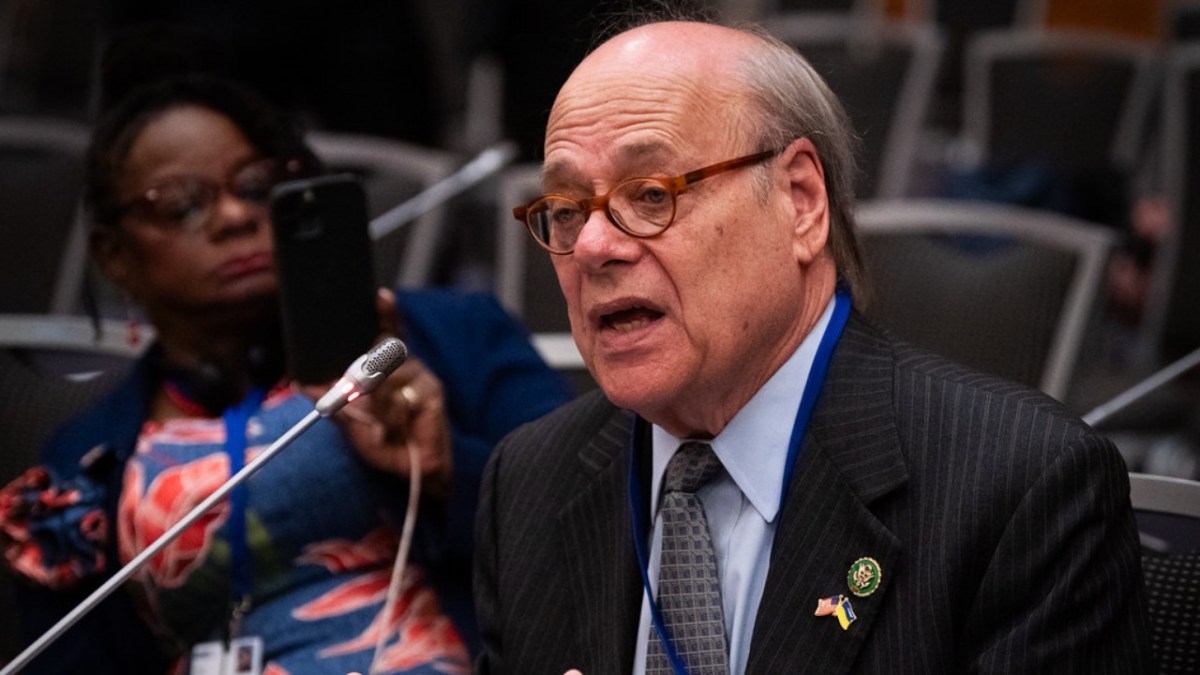

Outgoing Representative Steve Cohen admitted he feels some regret about his decision to leave Congress after seeing how close his potential replacement came to winning his former seat. The Tennessee Democrat, who spent two decades in the House, decided to retire in May after state leaders adopted a new congressional map that divided his 9th District into three separate areas.
Cohen spoke about his feelings on Friday, November 15, during an appearance on the show Inside Politics, as reported by The Hill. When asked by correspondent Jeff Zeleny if he second-guessed his decision to step down, Cohen was open about his thoughts. He told the host, “I do some because I think I could have won one of those districts.” He added that he did not feel confident in his chances at the time because “nobody expected a blue wave, let alone a blue tsunami.”
The results of the midterm election showed just how slim the margin was for the seat he left behind. Republican state Senator Brent Taylor managed to defeat Democratic state Representative Justin Pearson by a lead of just over one percent.
While Cohen believes he might have been able to make up that difference, he also explained why he still chose to walk away
He noted that he would have hesitated to enter a competitive race because “it would have caused me to run a race and maybe a primary and a general that I didn’t want to do at my age.” The 77-year-old lawmaker expressed that he preferred to avoid such a campaign at this stage of his life.
In the other two districts created by the redistricting effort, Democratic candidates faced much larger losses. Despite the Republican victories in those areas, the overall party split in the Tennessee congressional delegation remains 8-1. This is because Victoria Broderick, a 34-year-old Democrat, pulled off a victory in the 4th District. She defeated Scott DesJarlais by fewer than 400 votes, leading the Republican representative to concede his seat earlier this month.
Cohen reflected on what the state government needs during this upcoming term. He pointed out that the legislature needs a Democrat who can help them navigate the political process. He mentioned that while the state will have a Democrat in the majority, they will have a first-year freshman rather than a 20-year-experienced individual.
This shift in the Tennessee delegation marks the end of a long era for Cohen. His departure follows a major change in how the state draws its congressional lines, a process handled by the state government. These rules often impact how districts are shaped and who ends up representing specific areas in Washington. The map that split the 9th District into three pieces was a key factor in his retirement planning.









Published: Nov 29, 2026 01:45 pm