



In 1999, Charles Bland, a farmer in his seventies in Taylor, Texas, realized his community was missing something. In comments later reported by a neighbor, he said, “I see the kids don’t really have nowhere to play.”
Bland wanted to fix that and so sold 87 acres of his land to the city for just $10 to create a place for “community recreation”, saying, “I’m thinking about giving this land for parkland because these kids need somewhere to play.” A deed to the land was prepared, stipulating that it be “held in trust for future use as parkland.”
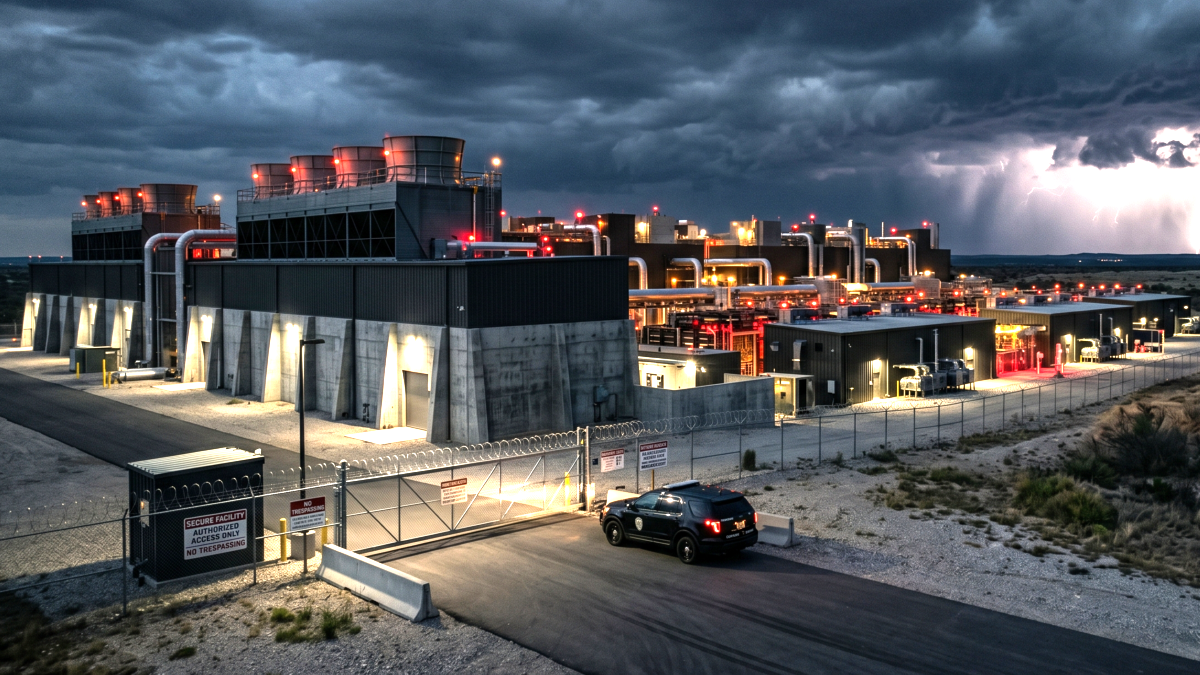
Now, 26 years later, Farmer Bland’s land has been sold to developer Blueprint for $10 million, which has unveiled plans to construct a “massive” 135,000-square-foot data center alongside residential neighborhoods.
As reported by 404 Media, this situation arose after the land was passed through several nonprofit and municipal agencies before it officially became the property of the City of Taylor in 2003. In 2008, they transferred ownership to the Taylor Economic Development Corporation for around $15,000, which subsequently sold it to Blueprint for $10 million in 2025.
“If it can be erased here, no charitable land donation in Texas is safe”
Taylor locals are outraged, saying that using Bland’s generously given land to build a data center is in violation of the gift’s intent. A petition by locals argues that:
A deed is a legal promise. The chain of transfers from trust to nonprofit to city to economic development corporation does not erase the condition Bland attached to his gift. If it can be erased here, no charitable land donation in Texas is safe. Any city that wants to convert donated green space into taxable development can simply route it through an economic development corporation first, collect the profit, and claim its hands are tied.
They call upon the courts to uphold the 1999 deed restriction and “return the land to its intended purpose”, as well as urging the Texas legislature to close a loophole allowing donated land to be stripped of deed conditions.
Residents have also reportedly raised concerns about electricity demands, noise levels, water usage, environmental damage, and damage to local property values, but the petition indicates their main objection is to the city ignoring Farmer Bland’s deed stipulation and trampling on his wishes.
Supporters of the project have countered by arguing the data center will be an economic boon to Taylor, estimating an additional $30 million in tax revenue, with $20 million of that said to be earmarked for local education.
So far, the Texas courts have sided with Blueprint, though Taylor locals are mounting a case in the appeals court. The case continues.








Published: Jun 12, 2026 03:19 am