


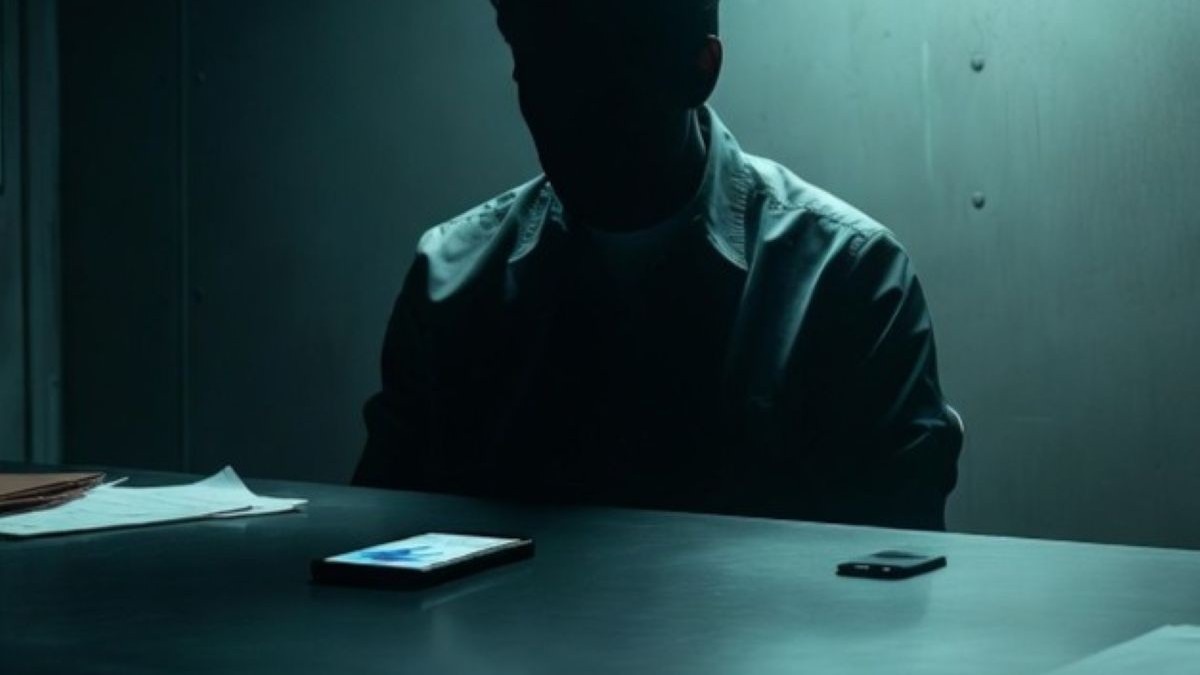

On January 24, 2025, Atlanta resident Sam Tunick was stopped for interrogation at Atlanta’s Hartsfield-Jackson airport when returning from a vacation in the Dominican Republic.
Tunick was repeatedly asked to unlock his phone during the interrogation. He provided the agents a passcode. The agents entered it, but it didn’t unlock the phone. Instead, before their eyes, the phone wiped itself clean of all data. This is a security feature of the open-source mobile operating system GrapheneOS, intended to boost security by preventing unwanted access even if the owner is under duress.
Now the US Department of Justice is attempting to prosecute Tunick under obscure law 18 U.S.C. § 2232, which makes it a crime to destroy property in an effort to prevent it from being seized. If the prosecution is successful, he could face a lengthy prison sentence of up to 5 years.
“A pretext for a fishing expedition”
Tunick believes he was singled out for questioning because of his alleged association with a movement against the Atlanta Public Safety Training Center (commonly known as “Cop City”), which has become a focus for protests about police militarization. That perceived association is said to have led to Tunick being placed on a watchlist for “suspected terrorism activities” and being detained and interrogated at the border.
However, The Guardian reports that Tunick was instead asked questions about “child sexual abuse imagery” on his phone, which his attorneys say was merely “a pretext for a fishing expedition into Mr Tunick’s connections” and to pressure him to give up the unlock code for his phone.
Tunick’s attorneys also note that he was repeatedly denied the opportunity to speak to a lawyer during his interrogation, that the agents questioning him produced no warrant, and that he wasn’t read his rights.
The Justice Department and the airport agents said in court that this was all routine, with CBP officer Larry Findley explaining they wanted to get into Tunick’s phone because they were “looking for anything that’s prohibited”.
The Guardian quotes Atlantic Solidarity Fund member Marlon Kautz, who said, “We all have a right to secure our private data against unconstitutional searches. And we should – especially in a time of rising authoritarianism.”
They also quote cybersecurity and surveillance expert Christophe Boutry, who emphasized that a phone is personal property, that citizens should expect privacy, and, ultimately, “They’re our phones and the state can’t tell us how to use them.”
The case continues.






Published: Jul 27, 2026 11:38 am