


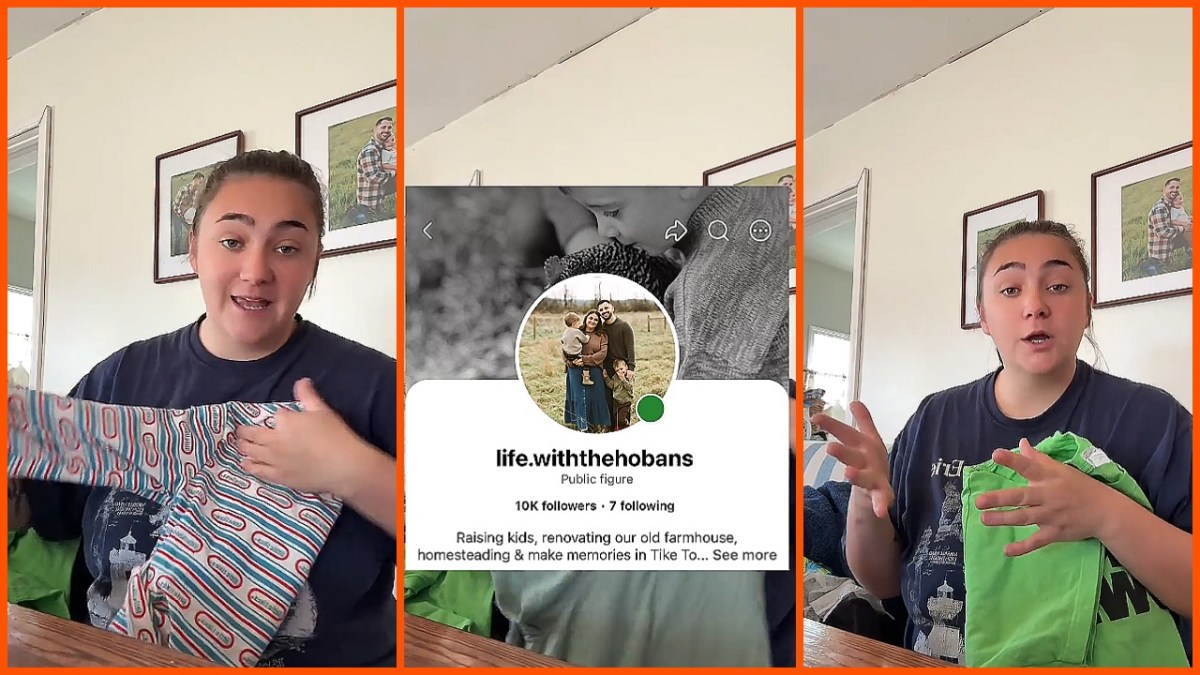

A content creator, Jayde, has warned her followers about an elaborate social media scam after losing access to her Facebook account during what she believed was a legitimate podcast interview. In a video shared on TikTok, Jayde claimed that the ordeal began after she allegedly received an invitation to appear on a popular podcast.
What initially seemed like an exciting professional opportunity quickly turned into a nightmare when hackers allegedly used a Zoom meeting to gain access to her computer and online accounts. She said she was already accustomed to receiving countless emails about brand collaborations, interviews, and media opportunities. Since she reportedly manages her social media career without a management team, she admitted that sorting through legitimate offers and potential scams can be difficult.
“I got an email from a very popular podcast. Now you may be saying, ‘Why would they want you on their podcast?’ I had the same thought,” she professed. Though she thought that you have to be a “little delusional” to be successful with social media, she apparently proceeded with the opportunity.
There were some apparent red flags
She also claimed to have checked the invitation email, including its signature, contact information, social media links, and the podcast’s publicly available details. When she asked how she could verify the invitation, the supposed representatives allegedly offered to add her to a “private Facebook group” where the podcast’s verified host was seemingly listed as an administrator. The group appeared legitimate, further convincing her that the invitation was genuine.
According to Jade, the podcast representatives eventually scheduled a Zoom meeting. The call was initially described as “a camera and a mic check,” something she asserted she had previously done for other interviews and media appearances.
She reportedly spent approximately an hour discussing the podcast, potential topics, and how the interview would work. However, things took a suspicious turn when the representative allegedly said, “Let’s go ahead and set up a Facebook Live event. We will stream through that Facebook Live for all your followers to watch.” He then apparently asked her to log into her Facebook account.
Jade professed that when she entered her password, Facebook repeatedly rejected it. She initially thought something was wrong with her login credentials, but she later suspected that the hackers had already gained access to her computer through the Zoom link. She believes they apparently used the meeting to install malicious software and wait for her to enter her Facebook credentials.
The consequences reportedly extended beyond her social media presence. Jade claimed the hackers also accessed her Wi-Fi network, security cameras, and several other online accounts. “We spent the last week changing all of our accounts, our passwords, making new emails contacting all of the organizations we need to to try to secure our account and also get my Facebook page back and our money,” she claimed. Her Facebook account reportedly had “nearly 400,000 followers on it and $20,000.”
She has since launched a replacement Facebook page, but acknowledged that followers were understandably questioning whether it was genuinely hers. Because the incident apparently remains under investigation, she claimed she would not share every detail publicly but wanted to warn others about how convincing these scams can be. “This is a big lesson to learn,” she admitted.
The creator’s experience also highlights how cybercriminals can exploit professional networking opportunities to target content creators. An invitation or brand deal that appears to come from a recognizable brand, media outlet, or podcast can still be fraudulent, particularly when scammers use legitimate contact details and impersonate real organizations to establish credibility.
The incident comes amid growing concerns about cybercriminals exploiting virtual meetings to compromise personal accounts. In a November 2026 advisory, the FBI warned about hackers using fake Zoom and Microsoft Teams meetings to trick victims into installing malware. The agency explained that attackers can disguise malicious instructions as solutions to technical problems, eventually gaining access to sensitive information and other accounts.








Published: Nov 26, 2026 11:45 am