



A recent report from the United Nations has concluded that ongoing US airstrikes targeting vessels suspected of drug trafficking likely violate international law and could reach the level of crimes against humanity, the BBC reported. This assessment comes as the death toll from these operations, which began in September 2025, has climbed to over 220 people.
The report, authored by Special Rapporteur Ben Saul, identifies at least 68 separate US strikes conducted in the Caribbean and Pacific. These incidents occurred outside of US territorial waters, raising significant questions about the legal justification for such aggressive tactics.
Saul explicitly stated that even if the individuals on these boats were members of designated terrorist organizations, there is no evidence they staged an armed attack on the US. Without such an attack, the US lacks the legal standing to claim a right to self-defense under international law.
These findings were released on Monday in a briefing note from the UN Human Rights Council
Saul was blunt in his assessment, noting that “such attacks amount to serial extrajudicial killings in violation of the right to life, being unjustified in national or personal self-defence or under international humanitarian law, the international law of the sea, narcotics suppression conventions, or international counter-terrorism law”. He further concluded, “There are reasonable grounds to believe that the reported 68 attacks that killed 223 people constituted crimes against humanity of murder under customary international law”.
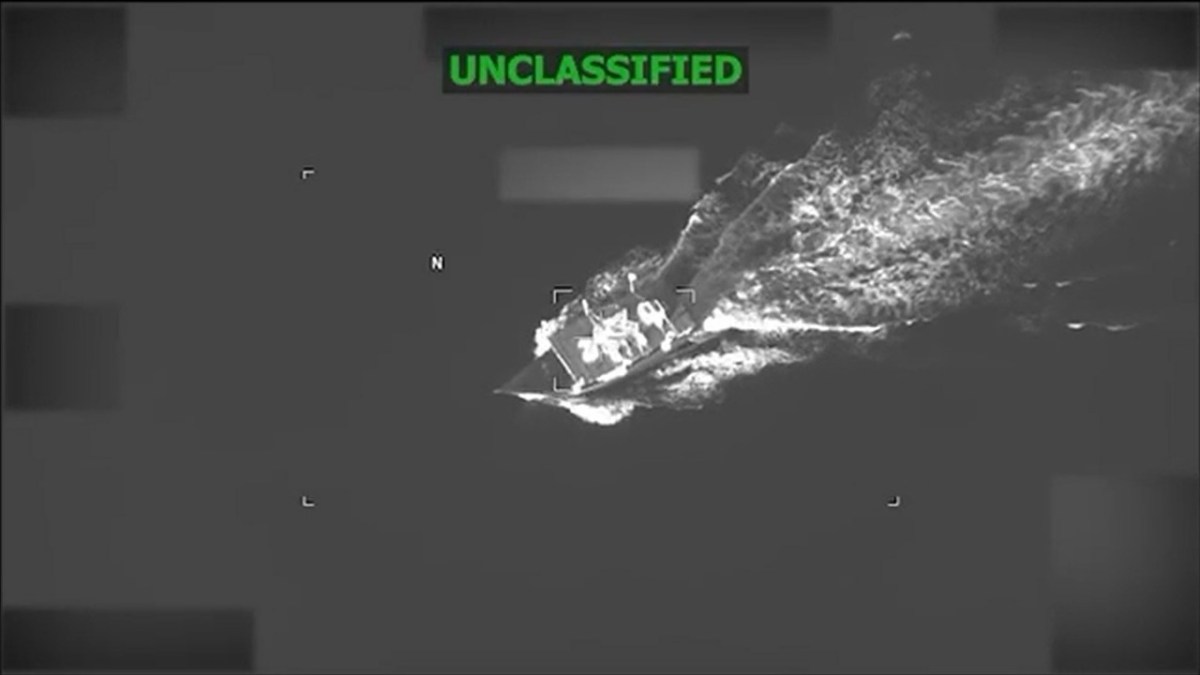
This report arrives just two days after the US military confirmed another strike in the Caribbean that resulted in four deaths. Regarding that specific incident, SOUTHCOM stated, “Confirmed intelligence revealed the vessel’s active involvement in narco-trafficking. The operation killed four narco-terrorists”. The military also released a grainy video alongside this statement to support its claims.
Despite these assurances, the broader Operation Southern Spear has been shrouded in uncertainty since it launched in early September. Officials have yet to provide definitive evidence that the targeted vessels were engaged in trafficking.
Defence Secretary Pete Hegseth has defended the program, previously stating that the operation is intended to remove “narco-terrorists from our hemisphere” and protect the US from “the drugs that are killing our people”. It is frustrating to see a lack of transparency when the human cost is this high, especially when the legal framework for these strikes remains so contentious.
The geopolitical landscape surrounding these operations has shifted significantly since they began. Initially, several Latin American leaders voiced strong opposition to the strikes. Nicolás Maduro, the Venezuelan leader who frequently criticized the military action, was removed by US forces during a high-profile raid in Caracas earlier this year.
Additionally, Colombia’s former president Gustavo Petro, another vocal critic of the operation, left office in August following a presidential election victory by a candidate supported by President Donald Trump.






Published: Sep 21, 2026 02:58 pm