


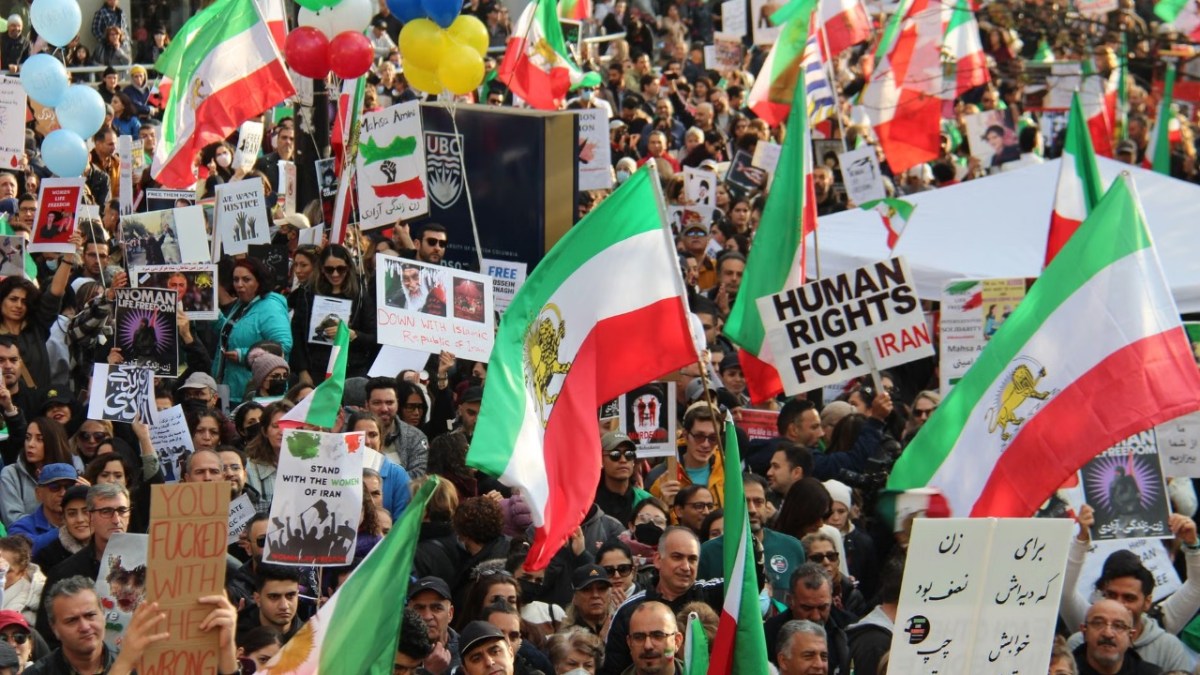

Iran’s government welcomed U.S. voters’ rejection of President Donald Trump in the midterm elections, interpreting the results as a rejection of Trump’s decision to initiate a war with Tehran. Nevertheless, the Islamic Republic reportedly remained vigilant for the possibility of further attacks after the vote.
Democrats gained control of both chambers of the United States Congress, overturning the Republican majorities Trump’s party held after a massive wave of support in the midterm elections on Tuesday. Voters’ concern over affordability, including higher prices for gasoline and diesel stemming from the Iran war, partly drove support for the Democrats.
Iran’s chief negotiator and parliament speaker, Mohammad Bagher Qalibaf, wrote Wednesday on X that “Americans said NO TO WAR, and we endorse this message. If the U.S. govt betrays their public will to serve international paymasters and blackmailers, it will learn our NO comes with a Nightmare.”
Iran is still on their toes on Washington’s potential attack
Iran’s supreme leader said those who think partisan changes in the United States can change its hostility toward the Islamic Republic are “gravely mistaken.” In a letter shared on his social media account, Ayatollah Mojtaba Khamenei, who hasn’t been seen publicly since the war began in late February, said: “If there are still those who harbor even a slight hope for a change in behavior or partisan and factional shifts within the system of domination, or who imagine that by giving concessions to America they can dissuade it from hostility toward the Iranian nation, they are gravely mistaken.”
According to Reuters, two senior Iranian officials stated that although they welcomed the Democrats’ victory, they remained concerned that Trump might respond to the setback with renewed strikes. Efforts to forge a diplomatic solution and avoid further fighting have increased, as Trump considers further military action and Iran prepares potential retaliation.
Despite ceasefire agreements and repeated diplomatic efforts, military confrontations have continued in southern Iran and around the Strait of Hormuz. Just 24 hours before the midterms, the U.S. military launched airstrikes against Iran’s Qeshm Island in the Strait of Hormuz, according to The Wall Street Journal (WSJ), despite Secretary of State Marco Rubio claiming that Trump would like to resolve the Iranian war “diplomatically” and prefers not to use military force. U.S. officials described the recent strikes as defensive measures, intended to limit Iran’s ability to attack commercial shipping in the Strait of Hormuz.
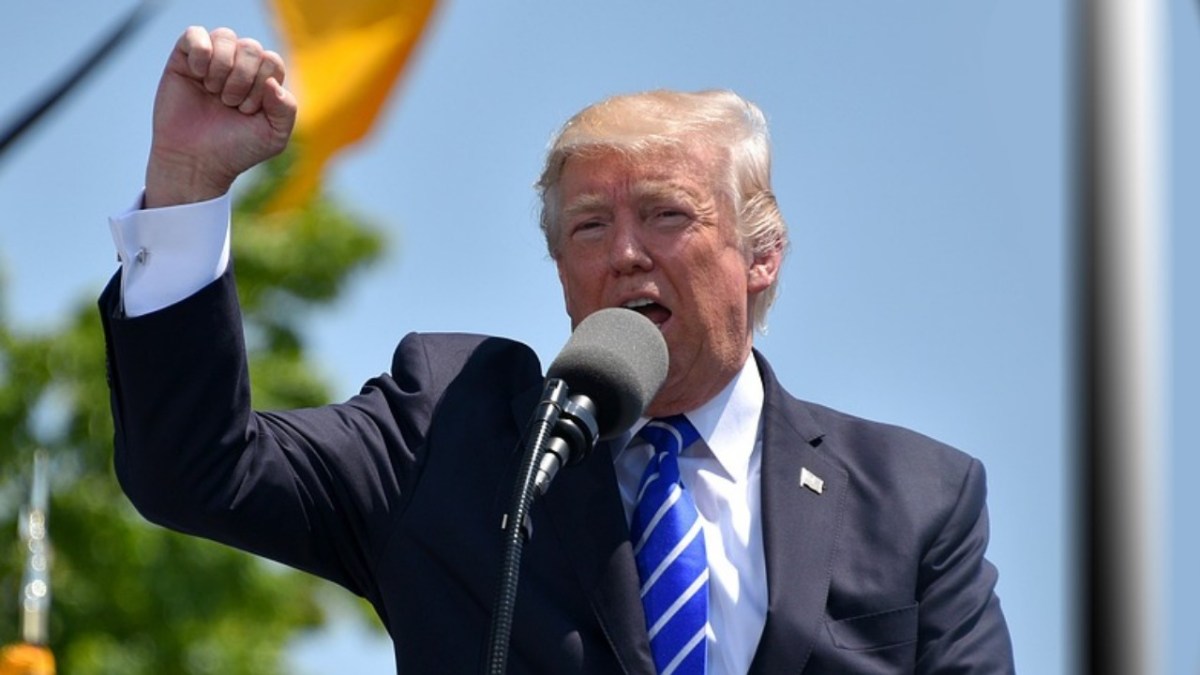
Trump acknowledged that the US-Israel war on Iran, which began in February, likely contributed to the Republican Party’s losses. Nevertheless, he defended joining Israel in the late February assault on Iran — a move that triggered a protracted conflict, disrupted Middle East oil supplies, and pushed up global energy prices. “I did the right thing,” Trump told The Wall Street Journal. “I would have done it again.”








Published: Nov 4, 2026 03:00 pm